HIV causes AIDS more slowly over time, study shows

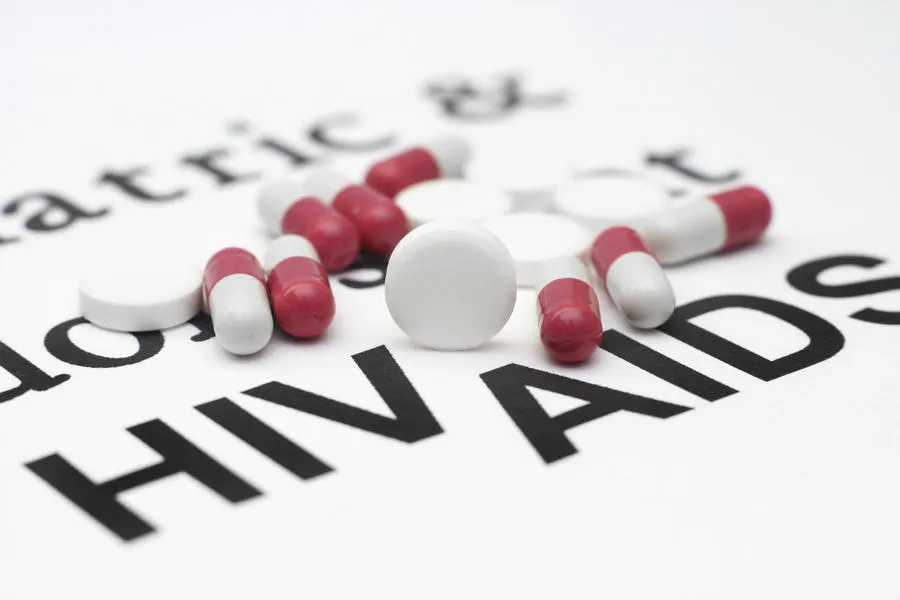
HIV's ability to cause AIDS is weakening over time, a new study by University of Oxford researchers shows. After looking at 2,000 women in Africa, the report concludes HIV is less virulent now because it evolves quickly, and more patients are naturally immune. Scientists said this factor will eventually contribute to the end of AIDS, Reuters reports.
For the first time since HIV began spreading 30 years ago, the annual number of new HIV infections is lower than the number of new HIV positive patients receiving treatment. Of course, there's still a long way to go.
The Week
Escape your echo chamber. Get the facts behind the news, plus analysis from multiple perspectives.

Sign up for The Week's Free Newsletters
Join more than 350,000 subscribers and keep yourself informed with a selection of The Week’s most interesting, enlightening and entertaining stories - plus daily puzzles.
Join more than 350,000 subscribers and keep yourself informed with a selection of The Week’s most interesting, enlightening and entertaining stories - plus daily puzzles.


