Shrimp: The key to preserving ancient artifacts?

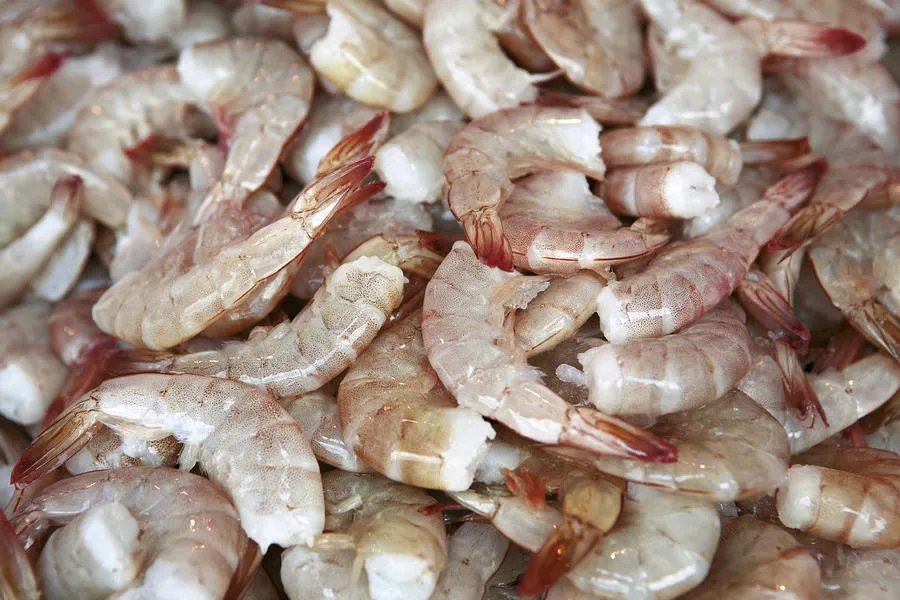
Scientists have discovered that a polymer derived from shrimp shells could help preserve ancient ships and other wooden objects. The polymer treatment is absorbed into wood, supporting the artifacts and protecting them from biological degradation, Chemistry World reports.
The polyethylene glycol (PEG) spray that's normally used to treat artifacts can liquify and degrade with humidity, experts told Chemistry World. So Zarah Walsh and her colleagues at the University of Cambridge developed a natural alternative with the polymer chitosan, which they gathered from leftover shrimp shells. They combined the chitosan with derivatives from the guar plant and a host molecule to create the solution.
The Week
Escape your echo chamber. Get the facts behind the news, plus analysis from multiple perspectives.

Sign up for The Week's Free Newsletters
Join more than 350,000 subscribers and keep yourself informed with a selection of The Week’s most interesting, enlightening and entertaining stories - plus daily puzzles.
Join more than 350,000 subscribers and keep yourself informed with a selection of The Week’s most interesting, enlightening and entertaining stories - plus daily puzzles.