New drug could help alopecia patients grow hair
A free daily email with the biggest news stories of the day – and the best features from TheWeek.com
You are now subscribed
Your newsletter sign-up was successful
A drug approved for treating a bone marrow disorder could be effective in helping alopecia sufferers regrow hair.
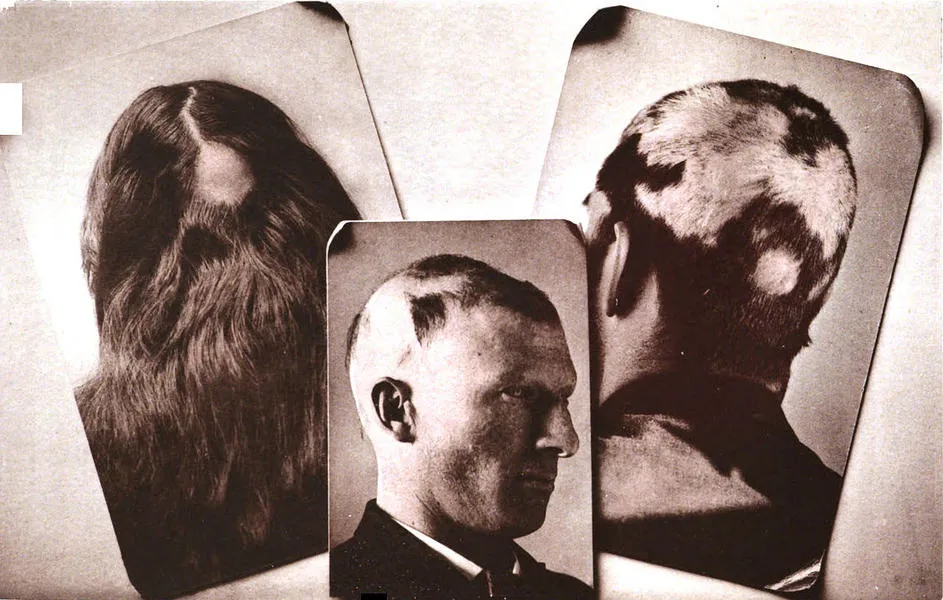
Researchers at Columbia University Medical Center tested the drug on sufferers of alopecia areata, a disease that causes body-wide hair loss and affects roughly 1 percent of men and women.
The research team at Columbia first tested the new drug class, JAK inhibitors, on mice. When the mouse experiment was successful, the researchers tested one of the drugs, ruxolitinib, on five men and seven women. Some of the study's findings were published Sunday in the Nature Medicine journal.
Article continues belowThe Week
Escape your echo chamber. Get the facts behind the news, plus analysis from multiple perspectives.
Sign up for The Week's Free Newsletters
From our morning news briefing to a weekly Good News Newsletter, get the best of The Week delivered directly to your inbox.
Most of the participants experienced significant hair growth over time, while a few others' hair did not regrow. "It appears to work — not in everyone, but in the majority," Dr. Julian Mackay-Wiggan, director of Columbia's dermatology clinical research unit and an author of the study, told The New York Times. "We need a lot more data on the long-term risks in healthy individuals. But it's certainly very exciting in terms of hair growth. It was surprising how quickly and impressively the growth occurred."
A free daily email with the biggest news stories of the day – and the best features from TheWeek.com
Meghan DeMaria is a staff writer at TheWeek.com. She has previously worked for USA Today and Marie Claire.