Sign up to get Today’s Best Articles in your inbox
Join 350,000+ subscribers and keep yourself informed with a selection of
The Week’s most interesting, enlightening and entertaining stories - plus daily puzzles.
You are now subscribed
Your newsletter sign-up was successful
Want to add more newsletters?
An account already exists for this email address, please log in.
Comey has zero regrets about how he acted during the 2016 election
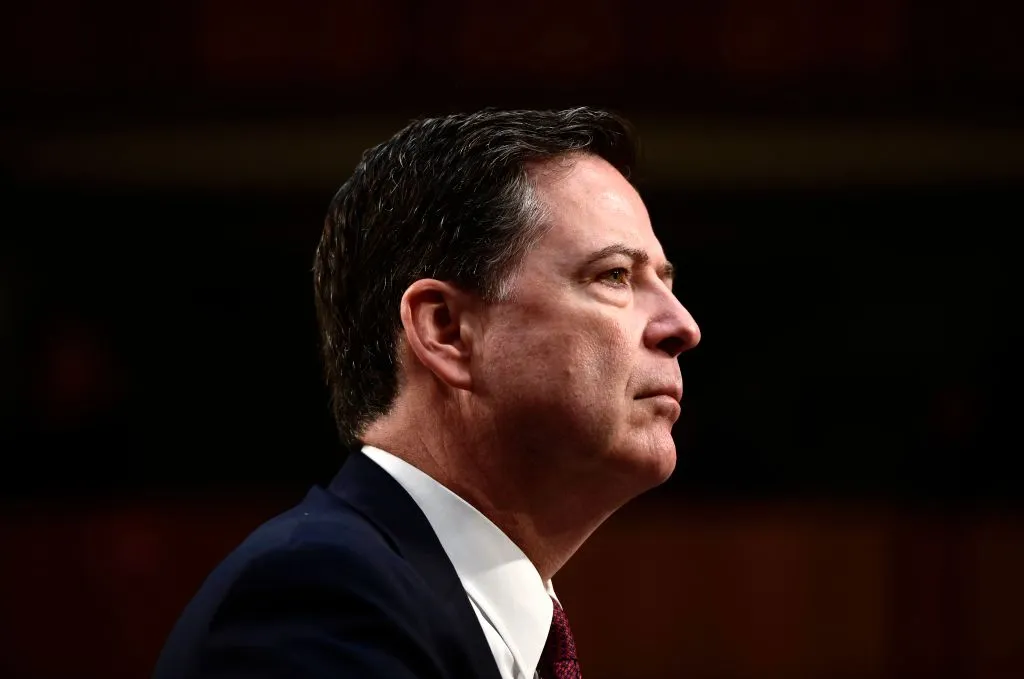
Former FBI Director James Comey stands by the way he handled himself during the 2016 presidential election.
In a wide-ranging interview with NPR, Comey said that he was put in a "no-win situation," but that he believes he made the right decision when it came to publicly disclosing an FBI investigation into then-candidate Hillary Clinton.
Comey headed up the bureau when it opened an investigation into Clinton's use of a private email server. He made two unprecedented public announcements about the probe: In July 2016, Comey announced that the FBI recommended no criminal charges against Clinton; in October 2016, he disclosed that the FBI had discovered a new set of emails and would reopen the case.
The Week
Escape your echo chamber. Get the facts behind the news, plus analysis from multiple perspectives.
Join more than 350,000 subscribers and keep yourself informed with a selection of The Week’s most interesting, enlightening and entertaining stories - plus daily puzzles.
Join more than 350,000 subscribers and keep yourself informed with a selection of The Week’s most interesting, enlightening and entertaining stories - plus daily puzzles.
Comey told NPR that he believed he should announce the discovery in order to protect the public's trust in the FBI, but his decision was widely criticized as it defied standard procedure for the FBI. Still, Comey said that he hasn't lost any sleep over his choice to "show transparency to the American people." His regrets include making "thoughtless" statements about the Holocaust in a speech that angered Poland, as well as sounding off on an Apple advertisement that "bugged" him, he said — but not his conduct as FBI chief.
"Once I make a decision — and I always tried to [do so] in a thoughtful way — I'm okay," Comey said. "I'm sleeping well."
The one time he truly felt uneasy? "I woke up in the middle of the night after Donald Trumptweeted at me about tapes," said Comey. Read the full interview at NPR.
Sign up to get Today’s Best Articles in your inbox
A free daily email with the day’s biggest news and analysis – and the best features from TheWeek.com
Summer Meza has worked at The Week since 2018, serving as a staff writer, a news writer and currently the deputy editor. As a proud news generalist, she edits everything from political punditry and science news to personal finance advice and film reviews. Summer has previously written for Newsweek and the Seattle Post-Intelligencer, covering national politics, transportation and the cannabis industry.