Trump is speaking in El Paso tonight. The city isn't the slam-dunk case for a border wall he claims.

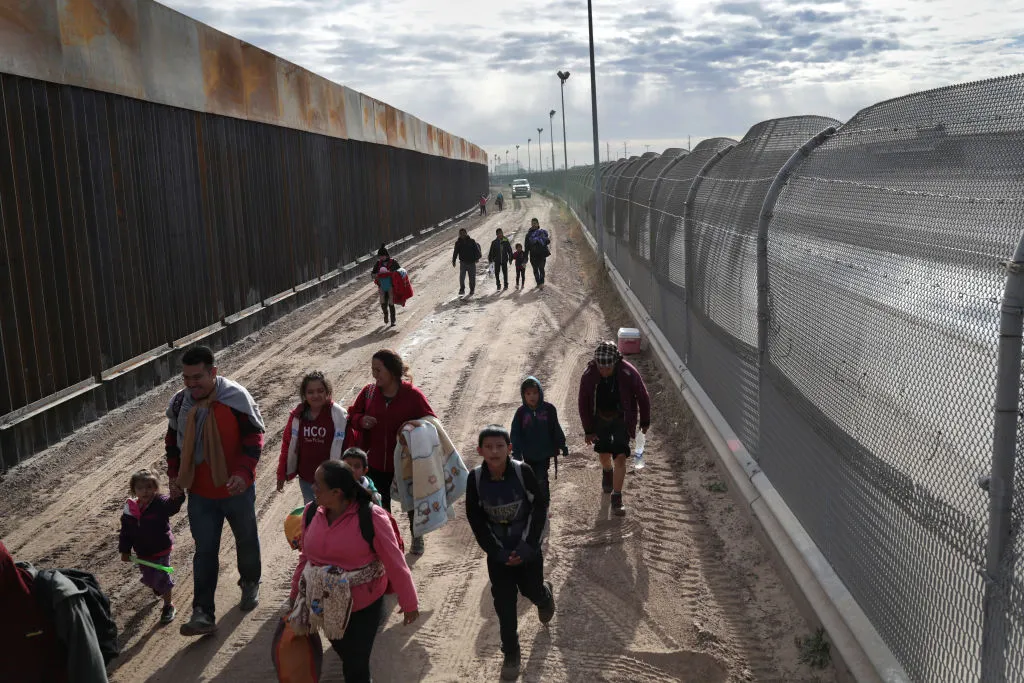
President Trump will rally supporters in El Paso Monday evening, where he is expected to use the city as part of his case for building more walls along America's southern border.
"The border city of El Paso, Texas, used to have extremely high rates of violent crime — one of the highest in the country, and [was] considered one of our nation's most dangerous cities," Trump claimed in his State of the Union address last week. "Now, with a powerful barrier in place, El Paso is one of our safest cities. Simply put, walls work, and walls save lives."
The Week
Escape your echo chamber. Get the facts behind the news, plus analysis from multiple perspectives.

Sign up for The Week's Free Newsletters
Join more than 350,000 subscribers and keep yourself informed with a selection of The Week’s most interesting, enlightening and entertaining stories - plus daily puzzles.
Join more than 350,000 subscribers and keep yourself informed with a selection of The Week’s most interesting, enlightening and entertaining stories - plus daily puzzles.

-
-
 talking pointsLivestreaming an execution: cruelty or added deterrent?
 -
 QUOTE OF THE DAY‘You don’t get to take a man from his family. You don’t get to take his very life, his whole future from him, and just walk away from it. Especially when that man is Tupac Shakur.’
 -
 today’s big questionCan a Democrat win the Texas governor’s race?
-
-
-
talking pointsLivestreaming an execution: cruelty or added deterrent?
-
QUOTE OF THE DAY‘You don’t get to take a man from his family. You don’t get to take his very life, his whole future from him, and just walk away from it. Especially when that man is Tupac Shakur.’
-
today’s big questionCan a Democrat win the Texas governor’s race?
-