
Israeli Prime Minister Benjamin Netanyahu “finally found a president willing to buy into his Iran dream,” said Alon Pinkas in The New Republic. Eliminating Iran’s threat to Israel has been “the be-all and end-all of Netanyahu’s political identity,” and he clearly helped talk President Trump into a joint, all-out assault on Iran. The hawkish Sen. Lindsey Graham (R-S.C.) also has boasted of playing a key role in helping Israel manipulate Trump into embracing a regime-change war contrary to his “America first” foreign policy. Graham, who golfs with Trump and knows his psyche, reminded the president of Iran’s 2024 attempt to assassinate him and urged him to take decisive action, saying that it would cement his legacy as a president even more consequential than Ronald Reagan. “If you can collapse this terrorist regime, that’s Berlin Wall stuff,” he told Trump. Graham even traveled to Israel, met with its intelligence agency, and coached Netanyahu on what to say to get Trump on board.
Don’t blame Israel for Trump’s decision, said Yair Rosenberg in The Atlantic. He’s the most powerful person on Earth, and the U.S. attack on Iran “is the responsibility of the man who ordered it.” Despite his isolationist rhetoric, Trump has shown “an abiding belief in military coercion as a solution to American problems” and has advocated attacking Iran and seizing its oil since 1980. Unfortunately, Secretary of State Marco Rubio fed into right-wing scapegoating of Israel by saying the U.S. knew Israel planned to attack and joined the bombing to defend its bases from Iranian retaliation. But Trump then denied that, insisting, “I might have forced Israel’s hand.”
The Week
Escape your echo chamber. Get the facts behind the news, plus analysis from multiple perspectives.

Sign up for The Week's Free Newsletters
Join more than 350,000 subscribers and keep yourself informed with a selection of The Week’s most interesting, enlightening and entertaining stories - plus daily puzzles.
Join more than 350,000 subscribers and keep yourself informed with a selection of The Week’s most interesting, enlightening and entertaining stories - plus daily puzzles.
-
-
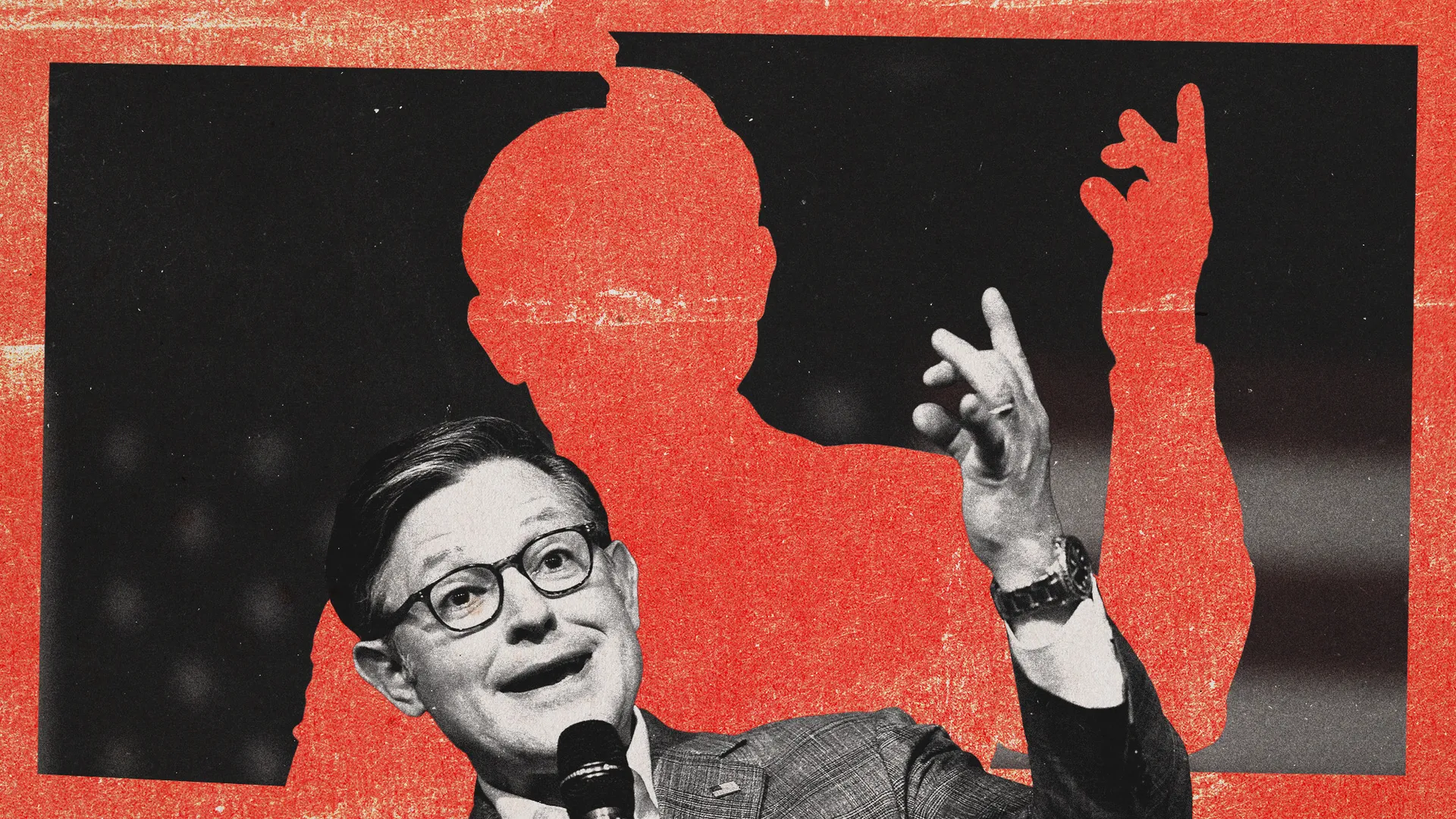 talking pointsA leadership power vacuum may await Republicans
 -
 QUOTE OF THE DAY‘What kind of culture looks at sexual violence and sees an opportunity for profit? This is rape culture. And it should disturb every single one of us.’
 -
 today’s big questionHow long can US consumers continue their spending spree?
-
-
-
talking pointsA leadership power vacuum may await Republicans
-
QUOTE OF THE DAY‘What kind of culture looks at sexual violence and sees an opportunity for profit? This is rape culture. And it should disturb every single one of us.’
-
today’s big questionHow long can US consumers continue their spending spree?
-