China has big plans for its massive new rocket


China is looking to make its mark in space innovation.
Researchers are developing a rocket that would be more powerful than any U.S. spacecraft, Chinese state media reported Monday. Phys.org reports that the Long March-9 rocket, set to be complete by 2030, would be capable of delivering 140 tons into low orbit.
The Week
Escape your echo chamber. Get the facts behind the news, plus analysis from multiple perspectives.

Sign up for The Week's Free Newsletters
From our morning news briefing to a weekly Good News Newsletter, get the best of The Week delivered directly to your inbox.
From our morning news briefing to a weekly Good News Newsletter, get the best of The Week delivered directly to your inbox.
The rocket, which would be the most powerful in the world if successfully built, would be used to explore deep space or to build a solar power plant. It could also be used to take humans to the moon, which China hopes to do soon.
Aside from the ultra-powerful rocket, China wants to build a space station by 2022, and will even try to build a base on the moon in the near future. Read more at Phys.org.

-
 6 of the world’s most accessible destinations
The Week Recommends Experience all of Berlin, Singapore and Sydney
-
 How the FCC’s ‘equal time’ rule works
In the Spotlight The law is at the heart of the Colbert-CBS conflict
-
 What is the endgame in the DHS shutdown?
Today’s Big Question Democrats want to rein in ICE’s immigration crackdown


-
 Blue Origin launches Mars probes in NASA debut
Speed Read The New Glenn rocket is carrying small twin spacecraft toward Mars as part of NASA’s Escapade mission
-
 Dinosaurs were thriving before asteroid, study finds
Speed Read The dinosaurs would not have gone extinct if not for the asteroid
-
 SpaceX breaks Starship losing streak in 10th test
speed read The Starship rocket's test flight was largely successful, deploying eight dummy satellites during its hour in space
-
 Rabbits with 'horns' sighted across Colorado
speed read These creatures are infected with the 'mostly harmless' Shope papilloma virus
-
 Lithium shows promise in Alzheimer's study
Speed Read Potential new treatments could use small amounts of the common metal
-
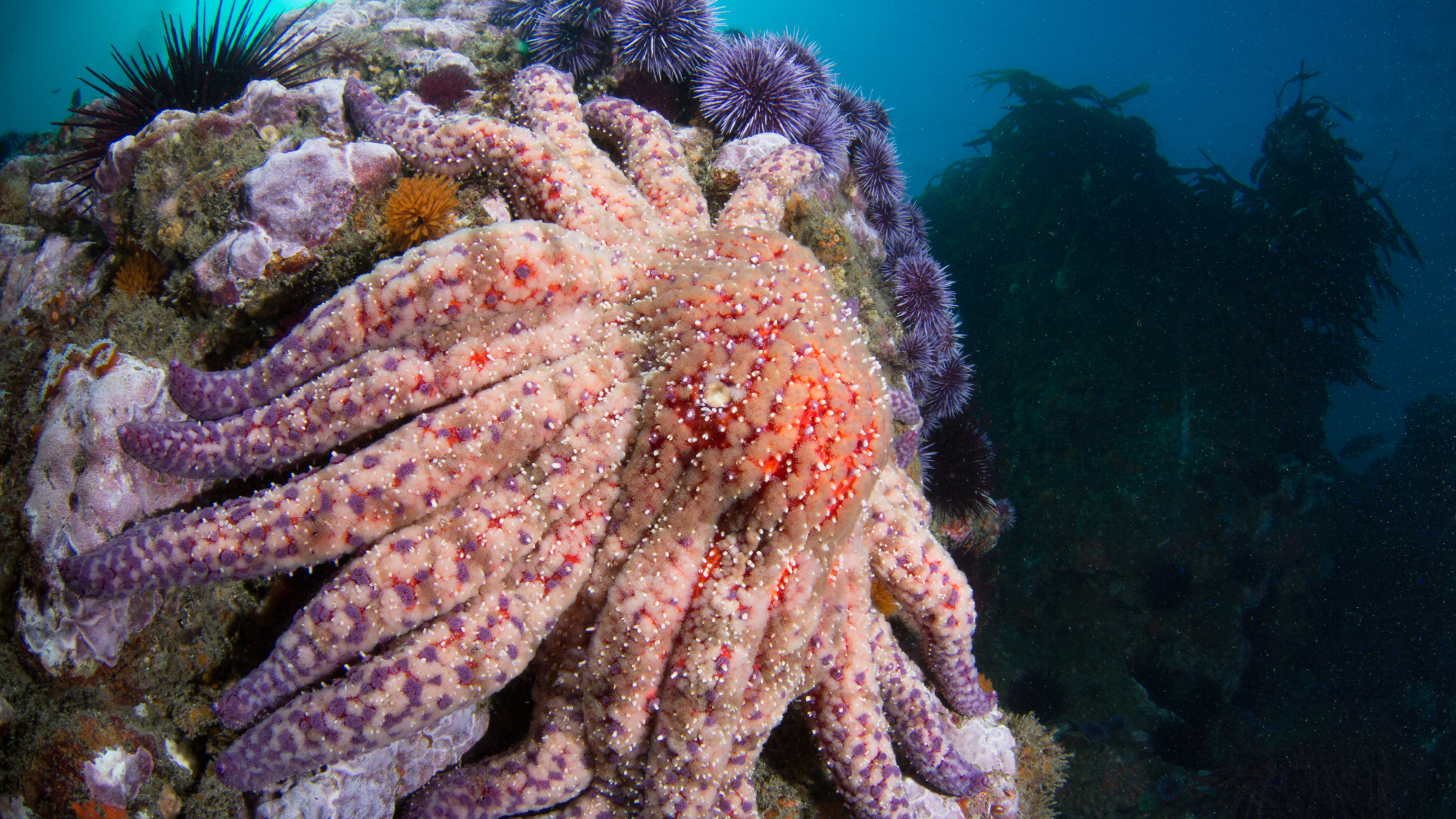 Scientists discover cause of massive sea star die-off
Speed Read A bacteria related to cholera has been found responsible for the deaths of more than 5 billion sea stars
-
 'Thriving' ecosystem found 30,000 feet undersea
Speed Read Researchers discovered communities of creatures living in frigid, pitch-black waters under high pressure
-
 New York plans first nuclear plant in 36 years
Speed Read The plant, to be constructed somewhere in upstate New York, will produce enough energy to power a million homes


