Sign up to get Today’s Best Articles in your inbox
Join 350,000+ subscribers and keep yourself informed with a selection of
The Week’s most interesting, enlightening and entertaining stories - plus daily puzzles.
You are now subscribed
Your newsletter sign-up was successful
Want to add more newsletters?
An account already exists for this email address, please log in.
Customers are embracing ‘friendly fraud’ to get free things
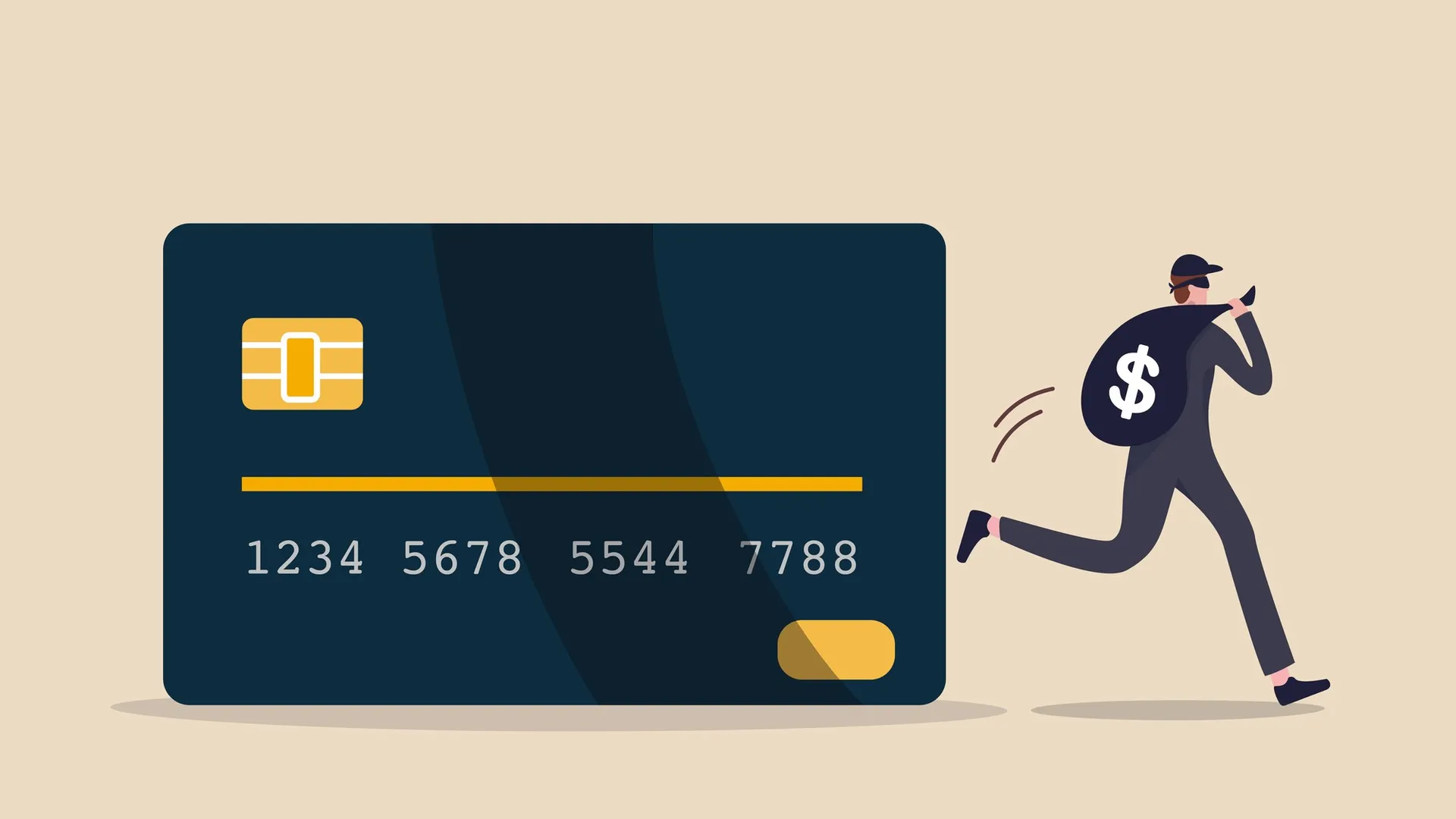
Disputing credit card charges may be the new way to stick it to corporations. More consumers are engaging in friendly fraud, disputing real charges or purchases in order to get their money back. The trend reflects a distrust in corporations as well as overall economic instability.
‘Expensive, onerous process’
Friendly fraud involves the use of charge-backs, which are “when a customer goes to their bank, as opposed to the merchant, to dispute a charge,” said NerdWallet. “When the customer requests their money back, the bank contacts the business’s payment processor.”
Then the “bank verifies whether the charge-back request is legitimate” and reverses the charge if it is, said NerdWallet. Most incorrect charge-backs tend to be honest mistakes as a “cardholder identifies a purchase on their transaction statement as fraudulent and disputes it,” when in reality, “they or someone else in their household may have made the purchase,” said Mastercard.
The Week
Escape your echo chamber. Get the facts behind the news, plus analysis from multiple perspectives.
Join more than 350,000 subscribers and keep yourself informed with a selection of The Week’s most interesting, enlightening and entertaining stories - plus daily puzzles.
Join more than 350,000 subscribers and keep yourself informed with a selection of The Week’s most interesting, enlightening and entertaining stories - plus daily puzzles.
Transaction disputes have also “traditionally been used to address certain types of crimes committed against consumers,” like if “someone steals your wallet and goes on a shopping spree, or if you put a deposit on a wedding venue that goes out of business before the big day,” said Bloomberg. The credit card issuer “claws the funds back from the offending merchant’s bank, on top of a charge-back penalty fee,” which is an “expensive, onerous process” that “incentivizes merchants to be honest transactors and resolve issues with customers before charge-backs are filed.”
‘Existential threat’
What was once an accidental error or a way to stop theft is now sometimes a tool to obtain free merchandise. Friendly fraud is a “costly form of charge-back abuse in which consumers dispute legitimate credit card transactions to recover their money while keeping the purchased goods or services,” said the technology publication Tekedia. Though the phenomenon is not new, it is becoming more common. There were “158 million transaction disputes in 2025, an increase of 29% from 2021, significantly outpacing general growth in card transactions,” said Bloomberg.
The trend takes an economic toll. The “volume of disputes has become so cumbersome that more retailers are farming out the whole process of investigating and defending against fraud claims to third-party vendors that specialize in helping them hold on to more of consumers’ money,” said Bloomberg. Increased levels of chargebacks can also affect prices. “Large retailers fold the cost of lost revenue, lost product and lost labor that fraudulent charge-backs create into the prices everyone pays.” But “for small merchants those losses quickly become an existential threat to their ability to continue operating.”
‘Retaliate against retailers’
The rise of friendly fraud is directly tied to growing distrust of companies and corporations. Friendly fraud is a “way to retaliate against retailers over poor customer service, delayed deliveries, strict return policies or dissatisfaction with purchases,” said Tekedia. People may not even be aware they are committing fraud, as many small value disputes are approved quickly and without much investigation. There are “people that feel like, oh, this is just sticking it to the man, so to speak,” Jim Mortensen, a strategic adviser in the fraud and anti-money-laundering practice at the research firm Datos Insights, said to Bloomberg.
Sign up to get Today’s Best Articles in your inbox
A free daily email with the day’s biggest news and analysis – and the best features from TheWeek.com
Economic circumstances also contribute to the rise of stealing and fraud. “One thing in the last two to three years has been that the cost of living in most developed markets has put quite a significant squeeze on consumers, particularly younger consumers on lower income,” a senior research analyst at Juniper Research who focuses on digital payments told Bloomberg. While engaging in friendly fraud sounds intriguing, it is “unethical and, in some jurisdictions, may constitute fraud,” said Tekedia. “Repeated abuse can result in account closures, damaged relationships with financial institutions and even legal consequences.”
Devika Rao has worked as a staff writer at The Week since 2022, covering science, the environment, climate and business. She previously worked as a policy associate for a nonprofit organization advocating for environmental action from a business perspective.