Sign up to get Today’s Best Articles in your inbox
Join 350,000+ subscribers and keep yourself informed with a selection of
The Week’s most interesting, enlightening and entertaining stories - plus daily puzzles.
You are now subscribed
Your newsletter sign-up was successful
Want to add more newsletters?
An account already exists for this email address, please log in.
Jet fuel crisis: UK plans to save the summer holiday
As Middle East supplies dry up, airlines will be allowed to consolidate flights to minimise disruption
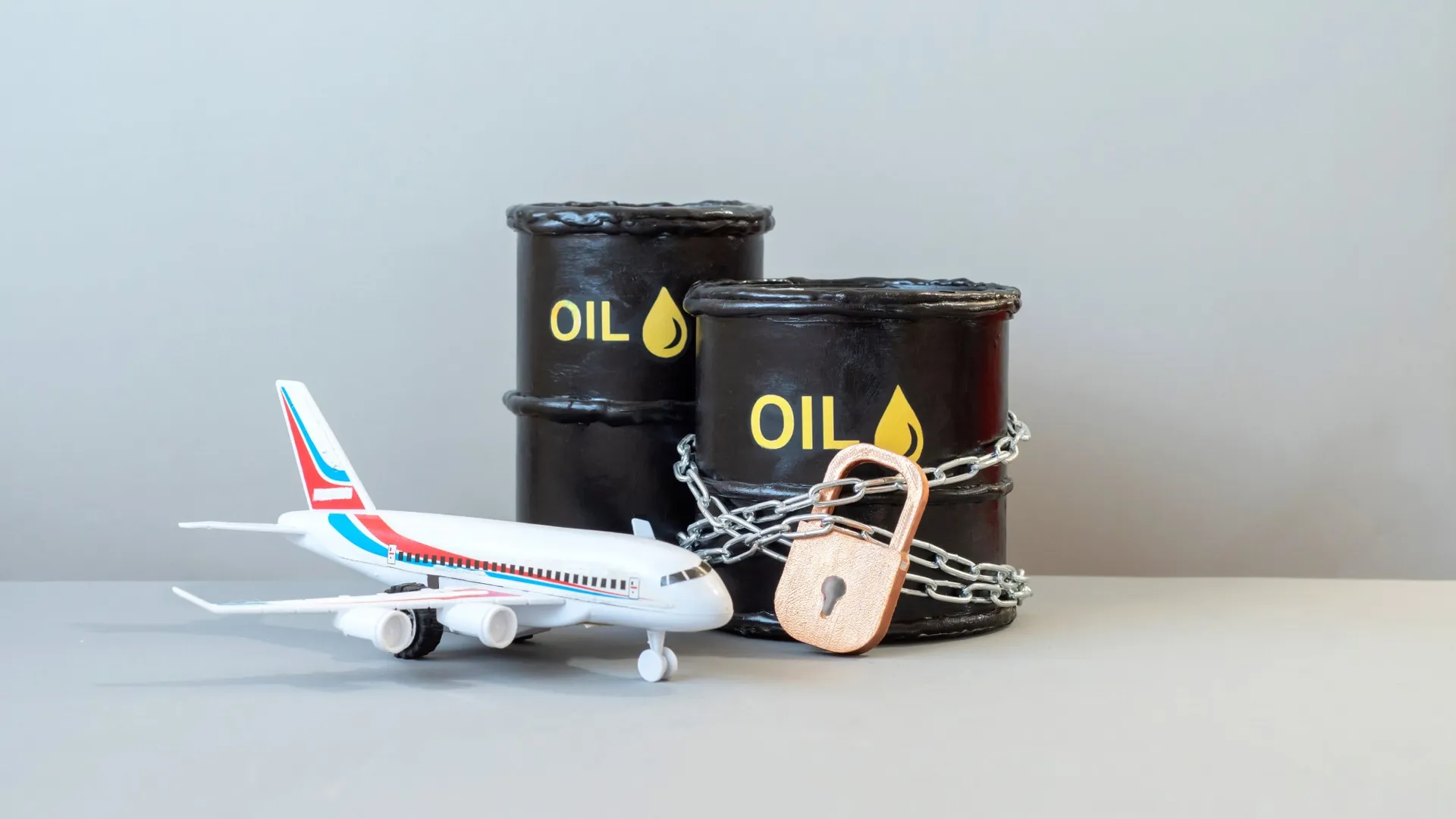
The government is finalising plans to allow airlines to consolidate flight schedules, in a bid to stave off a summer of travel disruption caused by a shortage of jet fuel.
With the blockade of the Strait of Hormuz restricting global jet fuel supplies, and demand sending prices soaring, there is significant concern that shortages could cause last-minute cancellation of flights in the busy holiday season.
How bad is the shortage?
Refineries in the Middle East usually supply around 75% of Europe’s jet fuel, but production is “basically now almost zero”, Fatih Birol of the International Energy Agency said last Thursday. The week before, he’d warned that the continent had “maybe six weeks of jet fuel left”, if supplies remain blocked.
The Week
Escape your echo chamber. Get the facts behind the news, plus analysis from multiple perspectives.
Join more than 350,000 subscribers and keep yourself informed with a selection of The Week’s most interesting, enlightening and entertaining stories - plus daily puzzles.
Join more than 350,000 subscribers and keep yourself informed with a selection of The Week’s most interesting, enlightening and entertaining stories - plus daily puzzles.
European countries are trying to replace supplies from the Gulf with imports from the US and Nigeria but, if they cannot do so in sufficient quantity, energy experts predict shortages at some airports, resulting in flight cancellations. The European Commission has said there is “no evidence of fuel shortages” in the EU, but has acknowledged there could be supply issues “in the near future”.
Many airlines had already secured much of their summer-season jet fuel before the Iran conflict doubled the market price. But others are now having to take emergency measures to counter spiralling fuel costs. “Airlines normally run at a single-digit operating margin and spend anywhere from 20 to 40% of revenues on fuel,” so rising fuel prices can quickly push them “into operating losses,” Alex Irving, a senior European transport analyst at financial-research firm Bernstein, told CNBC. German carrier Lufthansa, Scandinavian SAS, and Dutch airline KLM have already announced they are cancelling thousands of short-haul flights over the summer.
What is the UK government doing?
The British government is trying to get ahead of any peak-season flight disruption by giving airlines “rare freedoms to change flight schedules” well in advance, said The Times.
The plan is to temporarily relax laws that require airlines to operate part-full flights from UK airports or risk losing their lucrative take-off and landing slots. Doing this allows airline to consolidate flight schedules now, “before any potential fuel shortages”, minimising disruption and last-minute cancellations in the summer. Of course, it “may mean fewer available flight options than normal” but those flights are “less likely to be cancelled”.
Sign up to get Today’s Best Articles in your inbox
A free daily email with the day’s biggest news and analysis – and the best features from TheWeek.com
On Friday, the Department for Transport said it was “working closely with the aviation industry to monitor risks and minimise disruption” and there was “no current need for passengers to change their travel plans”.
When will the threat to air travel end?
Even if the US and Iran were to reach a deal to reopen the Strait of Hormuz today, “the die is cast for summer travel”, because it will take months to resume jet fuel supplies, said CNN. “It’s going to take until at least July,” Matt Smith, an energy analyst for commodity platform Kpler told the broadcaster. “And even that may be optimistic at this point.”
Should US/Iran hostilities restart or the Strait of Hormuz remain completely blocked to shipping through the summer, then the landscape completely changes, said Politico. In this “worst-case scenario”, there would be outright fuel rationing, and many, many more flights would be cancelled.

 talking pointsA leadership power vacuum may await Republicans
 QUOTE OF THE DAY‘What kind of culture looks at sexual violence and sees an opportunity for profit? This is rape culture. And it should disturb every single one of us.’
 today’s big questionHow long can US consumers continue their spending spree?