As Wimbledon gets underway this week, the record prize pot of $85 million has done little to assuage the “increasingly mutinous” mood of professional tennis players, said The Observer. The sport has jettisoned its “gentlemanly image” to become a “global cultural phenomenon,” and its athletes want a “bigger slice of the pie.”
What are the protests about?
As part of an ongoing campaign called Project RedEye, the top 20 players want a larger ratio of tournament revenues to acknowledge their contribution toward each event’s success, with “more money trickling down the draws,” said the BBC. They also want a discussion about how much Grand Slams contribute to players’ pension, healthcare and maternity pots, and better consultation on questions such as scheduling, late-night finishes and elongated tournaments.
Before Wimbledon, several pros had planned to limit their contractual media commitments in protest. But they have now returned to normal media duties following what they describe as “constructive meetings” with the All England Club, said the BBC.
What has the reaction been?
Wimbledon announced a 20% increase in prize money only a couple of weeks ago, so the All England Club was “surprised and disappointed” by the players’ threat of action, said the BBC. Former tennis athlete turned BBC pundit Andrew Castle said the players were being “tone deaf.”
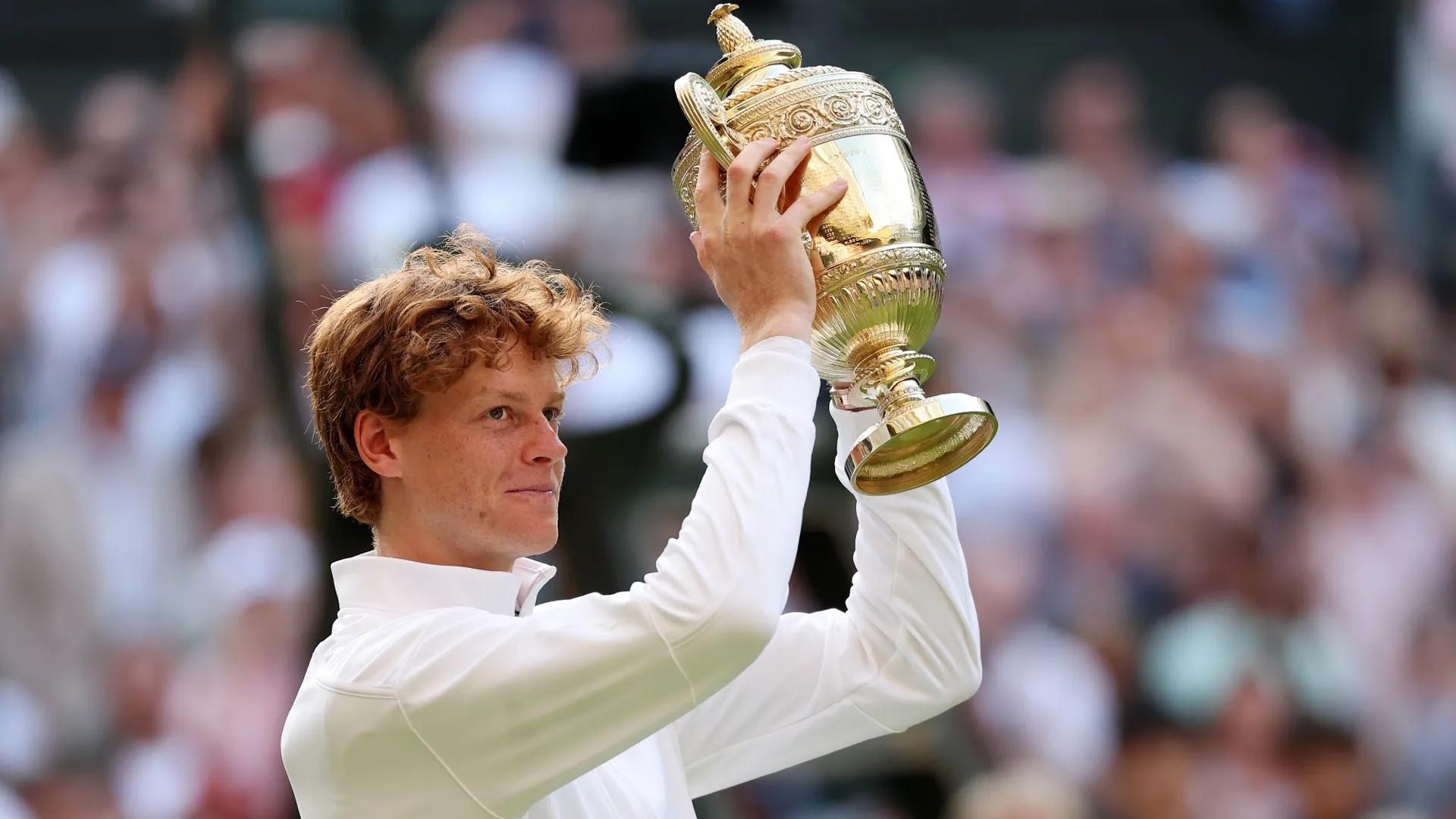
Some of the game’s biggest names, including 2025 Wimbledon champion Jannik Sinner (pictured above), Carlos Alcaraz and Aryna Sabalenka, have threatened boycotts of future tournaments. With their huge career winnings and “lucrative” sponsorship deals, they would be “just fine if the money remained the same,” said The Observer. But it can be a “slog” for lower-ranked players, whose winnings must fund coaching and travel in a sport that “spans continents,” leaving them “barely breaking even.”
“We don’t do it for ourselves,” said Sabalenka in a pre-tournament press conference. “We do it for the rest of the players who are suffering to even hire a coach.”
What next?
Wimbledon argues that players underestimate the costs of running tournaments and staging important warm-up events. But it has made a “commitment to return with specific proposals” addressing their concerns, said a statement from the athletes behind Project RedEye, and the players will “carefully evaluate the proposals once received.” |