Wimbledon fortnight is underway with a record prize pot of £64.2 million, but this has done little to assuage the sport’s “increasingly mutinous” players, said The Observer.
Tennis is “having a moment”. It's jettisoned its “gentlemanly image” to become a “global cultural phenomenon”, but this also means its stars want a “bigger slice of the pie”.
What are the protests about?
The players want a larger ratio of revenue to acknowledge their contribution towards the financial successes of the tournaments, with “more money trickling down the draws”, said the BBC.
The Week
Escape your echo chamber. Get the facts behind the news, plus analysis from multiple perspectives.
SUBSCRIBE & SAVE
Sign up for The Week's Free Newsletters
Join more than 350,000 subscribers and keep yourself informed with a selection of The Week’s most interesting, enlightening and entertaining stories - plus daily puzzles.
Join more than 350,000 subscribers and keep yourself informed with a selection of The Week’s most interesting, enlightening and entertaining stories - plus daily puzzles.
Latest Videos FromThe Week US
Specifically, they are calling for the prize pots of the four Grand Slam tournaments to be increased to 16% of each one's revenues, rising to 22% by 2030. Wimbledon’s new prize money is equal to 14.4% of its revenues,
They’re also concerned about welfare issues, including how much the Grand Slams contribute to pension, healthcare and maternity pots, and they want better consultation on questions such as scheduling, late-night finishes and prolonged tournaments.
Several star names had planned to limit their contractual media commitments to a “symbolic” 15 minutes per match day during the first week of the tournament, said The Independent. The 15 minutes referred to the prize money and the fact they were getting less than 15% of the overall tournament revenue.
But leading players will return to normal media duties following what they describe as “constructive meetings” with the All England Club. Though they have warned that the “underlying matters remain unresolved”.
Why is it so controversial?
Wimbledon announced a 20% increase in prize money, taking the “total sum of the pot” to £64.2 million only a couple of weeks ago, said the BBC. The All England Club has said it was “surprised and disappointed” by the threat of players’ action, and the broadcaster's pundit Andrew Castle said the players were being “tone deaf”.
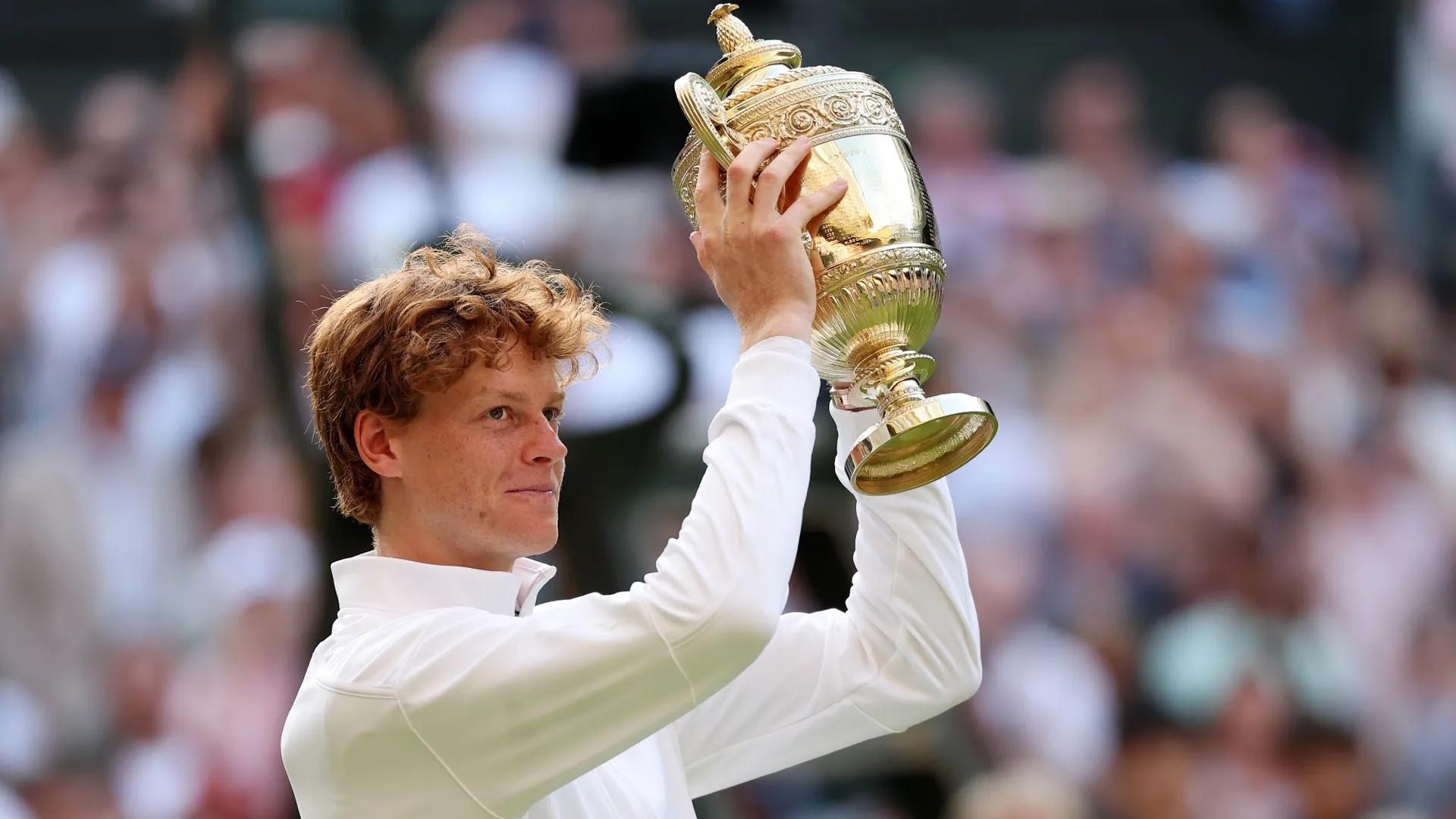
Some of the game’s biggest names, including last year's Wimbledon winner Jannik Sinner, have threatened boycotts. Others include Carlos Alcaraz and Aryna Sabalenka, the women's world number-one, but with career winnings of $65m and $49m respectively, plus “lucrative” sponsorship deals, they would be “just fine if the money remained the same”, said The Observer.
But it can be a “slog” for lower-ranked players, whose winnings must fund their coaches and travel in a sport that “spans continents”, leaving them “barely breaking even”. “We don’t do it for ourselves,” said Sabalenka, “we do it for the rest of the players who are suffering to even hire a coach.”
What next?
The players welcomed Wimbledon’s “commitment to return with specific proposals” addressing their concerns, while promising to “carefully evaluate the proposals once received”. In return, the players said they will provide Wimbledon with further information it has requested.
Wimbledon argues that the players’ representatives underestimate the costs of running tournaments and staging important warm-up events.

 talking pointsAfter Pike disaster, is it time to rethink death penalty?
 QUOTE OF THE DAY‘What it actually means in the American context is you want to replace American workers with foreign workers and you want boys to play in girls’ sports.’
 the explainerJustice Dept. launches largest-ever effort to strip citizenship