Pentagon’s $200B Iran war request rattles Congress
It comes as oil prices also rose above $119 per barrel


What happened
President Donald Trump and Defense Secretary Pete Hegseth on Thursday defended an upcoming funding request to pay for the ongoing Iran war, as Congress balked at the reported $200 billion price tag. The global cost of the conflict rose again as oil prices surged above $119 a barrel before settling at just under $109 after a chaotic day of trading. Qatar’s state energy company said retaliatory Iranian strikes on its Ras Laffan energy hub had cut its natural gas capacity by 17%, costing an estimated $20 billion in lost annual revenue and affecting deliveries to Europe and Asia.
Who said what
The Week
Escape your echo chamber. Get the facts behind the news, plus analysis from multiple perspectives.

Sign up for The Week's Free Newsletters
Join more than 350,000 subscribers and keep yourself informed with a selection of The Week’s most interesting, enlightening and entertaining stories - plus daily puzzles.
Join more than 350,000 subscribers and keep yourself informed with a selection of The Week’s most interesting, enlightening and entertaining stories - plus daily puzzles.
What next?

-
-
 talking pointsAfter Pike disaster, is it time to rethink death penalty?
 -
 QUOTE OF THE DAY‘What it actually means in the American context is you want to replace American workers with foreign workers and you want boys to play in girls’ sports.’
 -
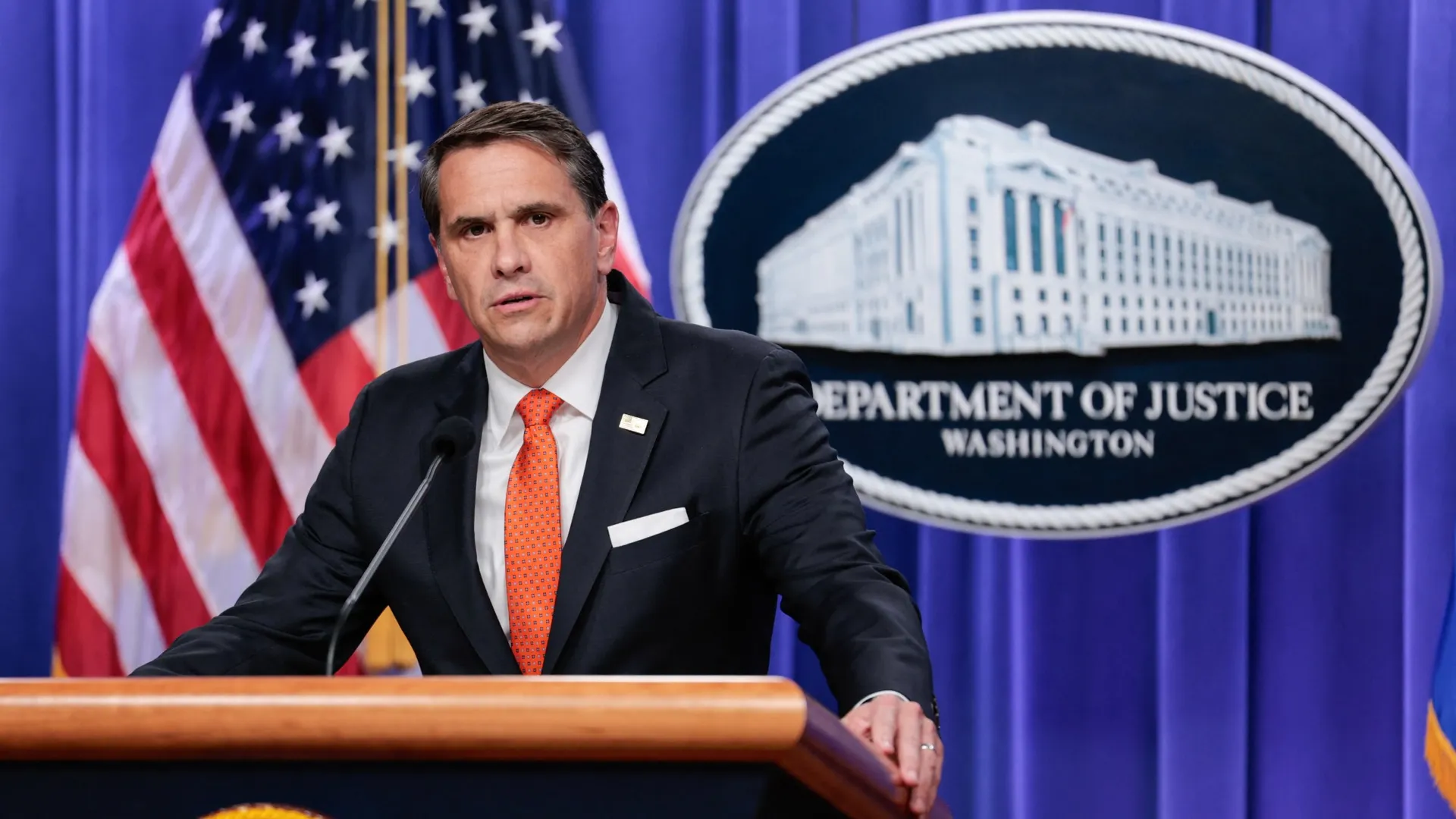 the explainerJustice Dept. launches largest-ever effort to strip citizenship
-
-
-
talking pointsAfter Pike disaster, is it time to rethink death penalty?
-
QUOTE OF THE DAY‘What it actually means in the American context is you want to replace American workers with foreign workers and you want boys to play in girls’ sports.’
-
the explainerJustice Dept. launches largest-ever effort to strip citizenship
-