Wearable ultrasound tracks high-risk pregnancies: The Week's Good News
Plus emotional support donkeys and the first disabled astronaut


(Image credit: skaman306 / Getty Images)
Editor's note: The following is The Week's Good News newsletter. You can subscribe to it on Substack here or register to have it emailed to you once a week here.
Wearable ultrasound tracks high-risk pregnancies
Paralympian could be first astronaut with disability in orbit
The Week
Escape your echo chamber. Get the facts behind the news, plus analysis from multiple perspectives.
SUBSCRIBE & SAVE

Sign up for The Week's Free Newsletters
Join more than 350,000 subscribers and keep yourself informed with a selection of The Week’s most interesting, enlightening and entertaining stories - plus daily puzzles.
Join more than 350,000 subscribers and keep yourself informed with a selection of The Week’s most interesting, enlightening and entertaining stories - plus daily puzzles.
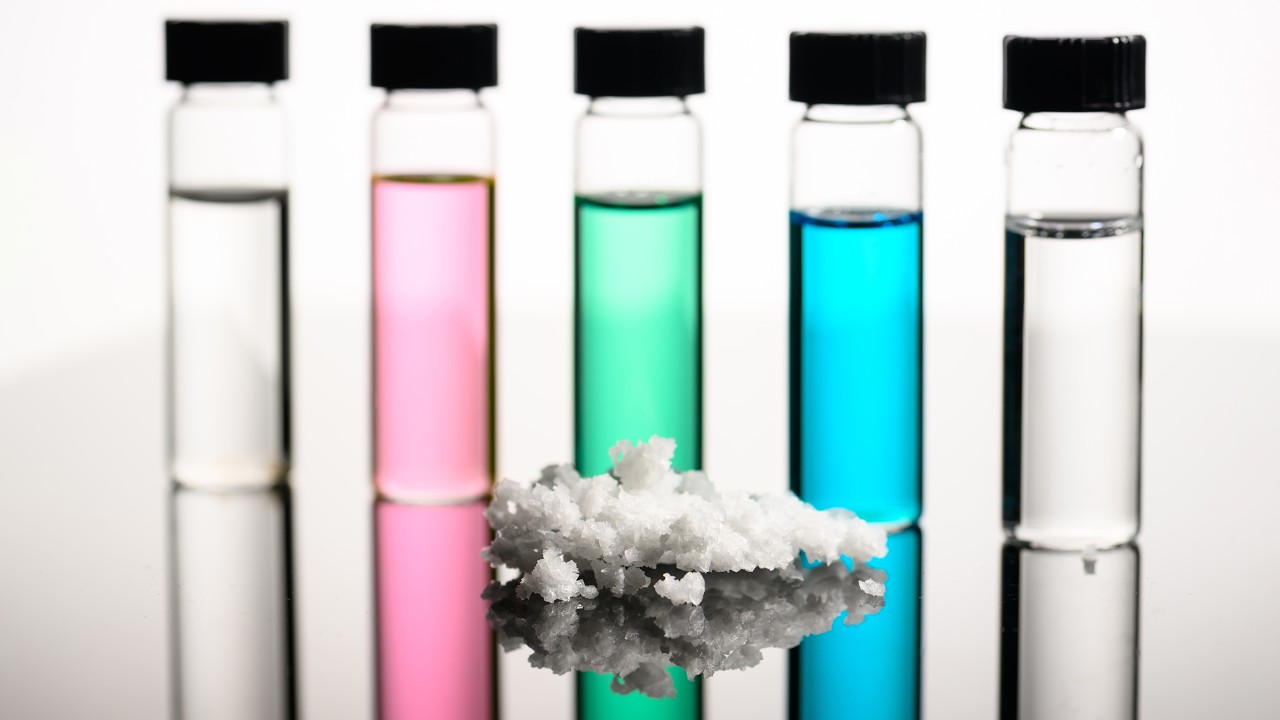
New method transforms ocean water into drinking water
Patients helped by therapy donkeys at French psychiatric hospital

-
-
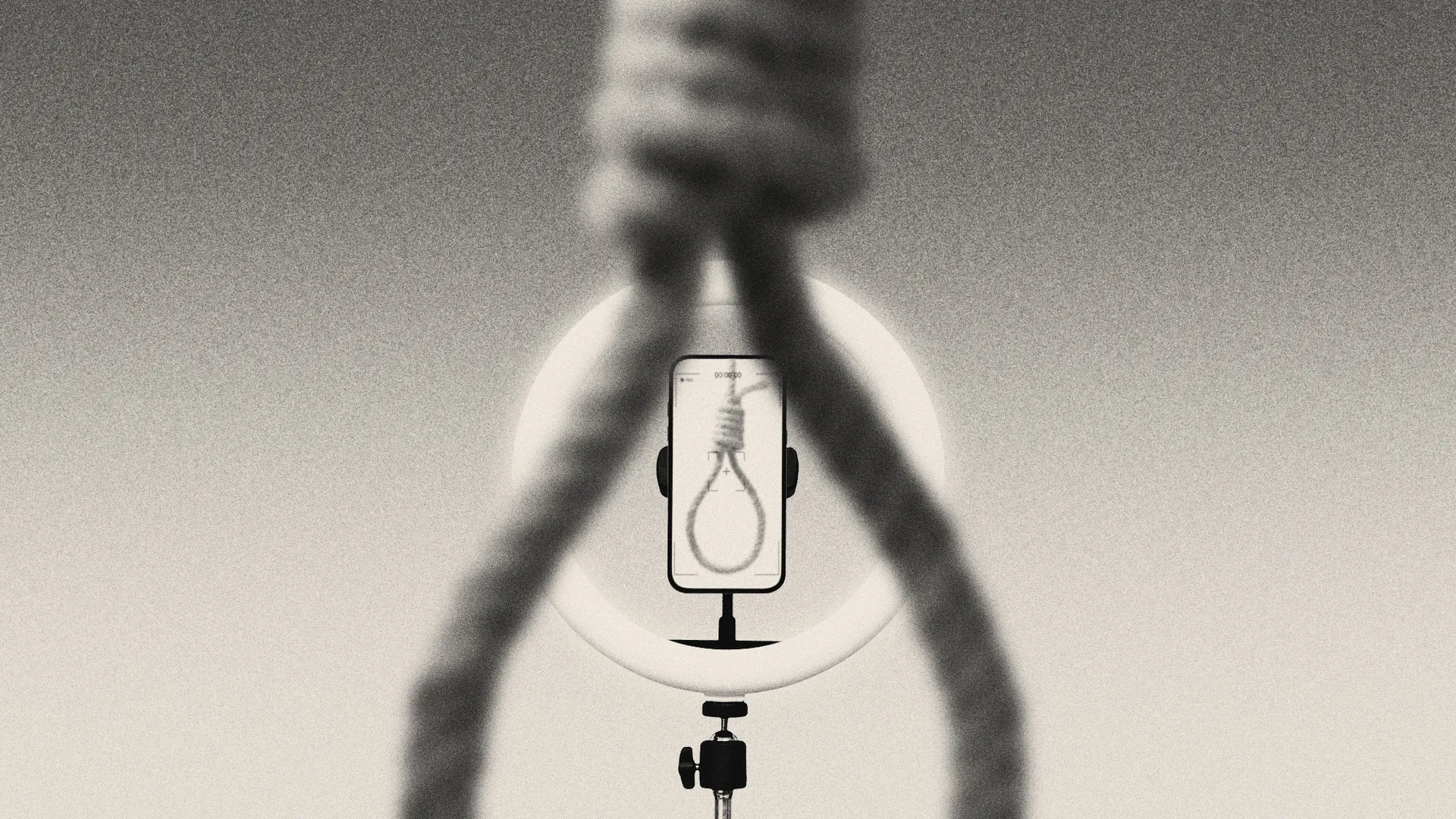 talking pointsLivestreaming an execution: cruelty or added deterrent?
 -
 QUOTE OF THE DAY‘You don’t get to take a man from his family. You don’t get to take his very life, his whole future from him, and just walk away from it. Especially when that man is Tupac Shakur.’
 -
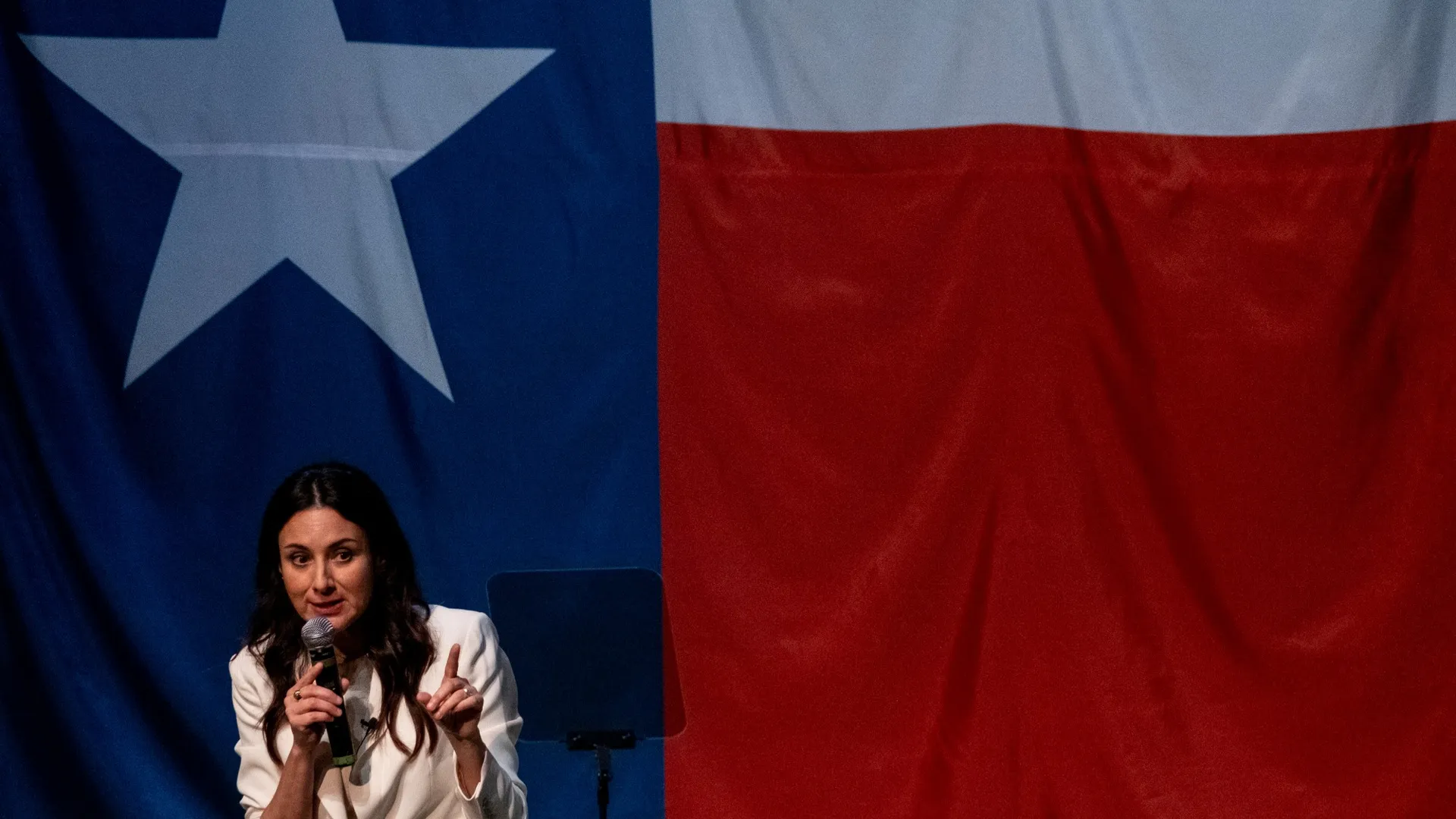 today’s big questionCan a Democrat win the Texas governor’s race?
-
-
-
talking pointsLivestreaming an execution: cruelty or added deterrent?
-
QUOTE OF THE DAY‘You don’t get to take a man from his family. You don’t get to take his very life, his whole future from him, and just walk away from it. Especially when that man is Tupac Shakur.’
-
today’s big questionCan a Democrat win the Texas governor’s race?
-