Is Crimea's vote to join Russia legitimate?
Pool/Getty Images


As Crimea barrels toward a referendum that would in all probability make the peninsula a part of the Russian federation, the Kremlin is falling back on the principle of self-determination to justify the move. Russia says it is equivalent to Kosovo's declaration of independence in 2008, which was opposed by Russia and supported by the West.
Let's set aside for a moment the fact that Vladimir Putin's government has violently squelched autonomy movements within the federation, and has been a zealous proponent of the notion that sovereign states have wide authority to resolve internal disagreements. (You can bet that China, Putin's longtime ally on these matters, is a little alarmed at his change of heart.) Would Crimea's vote be legitimate?
The Week
Escape your echo chamber. Get the facts behind the news, plus analysis from multiple perspectives.

Sign up for The Week's Free Newsletters
Join more than 350,000 subscribers and keep yourself informed with a selection of The Week’s most interesting, enlightening and entertaining stories - plus daily puzzles.
Join more than 350,000 subscribers and keep yourself informed with a selection of The Week’s most interesting, enlightening and entertaining stories - plus daily puzzles.
-
-
 talking pointsA leadership power vacuum may await Republicans
 -
 QUOTE OF THE DAY‘What kind of culture looks at sexual violence and sees an opportunity for profit? This is rape culture. And it should disturb every single one of us.’
 -
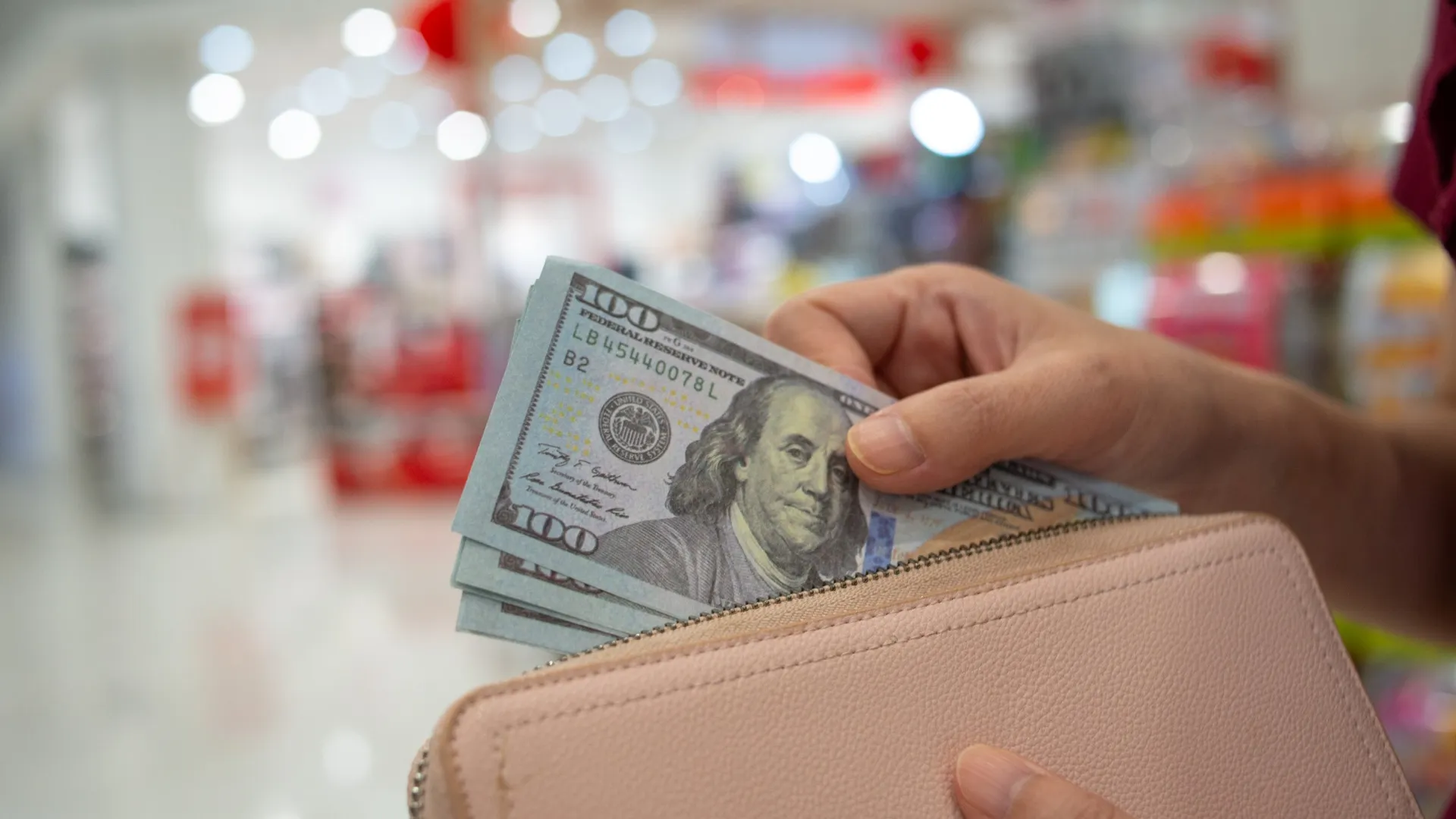 today’s big questionHow long can US consumers continue their spending spree?
-
-
-
talking pointsA leadership power vacuum may await Republicans
-
QUOTE OF THE DAY‘What kind of culture looks at sexual violence and sees an opportunity for profit? This is rape culture. And it should disturb every single one of us.’
-
today’s big questionHow long can US consumers continue their spending spree?
-