Scientists find way to make metal super-waterproof without chemical coating

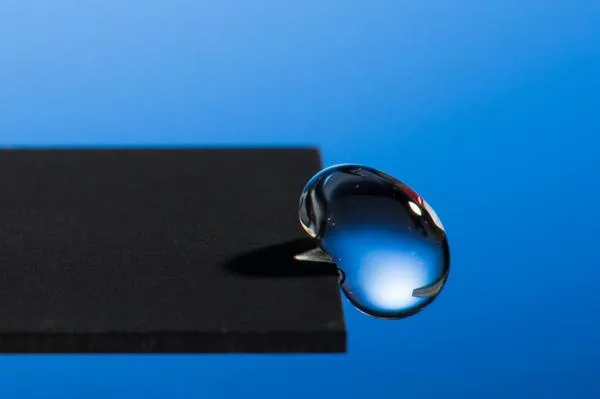
Using lasers, scientists at the University of Rochester have been able to make metals water repellent, or super-hydrophobic, without having to use temporary coatings.
Super-hydrophobic materials that do not rely on chemical coatings are in high demand, as they can be used for sanitation purposes and to prevent rusting. Chunlei Guo and his colleague Anatoliy Vorobyev used a precise laser-patterning technique to give the metals their new properties. "The material is so strongly water-repellent, the water actually gets bounced off," Guo said in a statement. "Then it lands on the surface again, gets bounced off again, and then it will just roll off from the surface."
The Week
Escape your echo chamber. Get the facts behind the news, plus analysis from multiple perspectives.

Sign up for The Week's Free Newsletters
Join more than 350,000 subscribers and keep yourself informed with a selection of The Week’s most interesting, enlightening and entertaining stories - plus daily puzzles.
Join more than 350,000 subscribers and keep yourself informed with a selection of The Week’s most interesting, enlightening and entertaining stories - plus daily puzzles.