New study suggests brontosaurus may actually be a real dinosaur

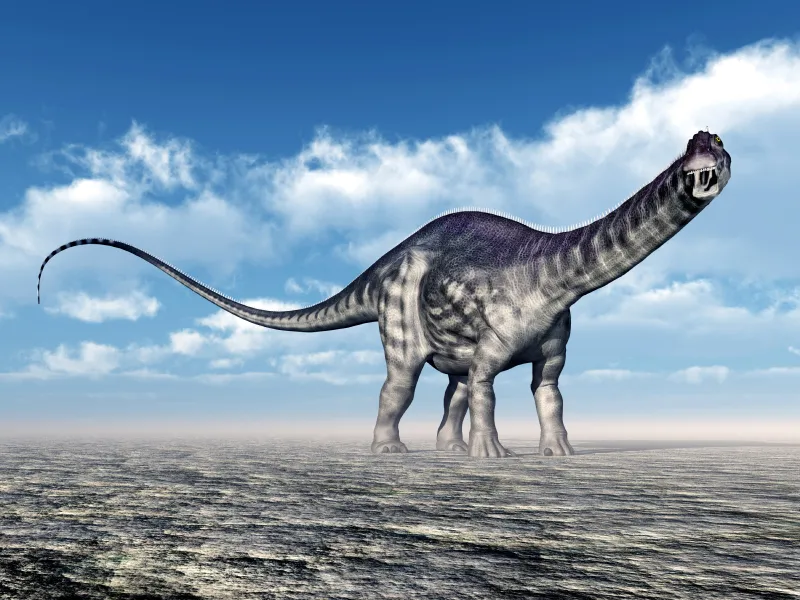
If you've ever taken a paleontology class, you've heard that the brontosaurus is not a real type of dinosaur, despite its popularity in film. However, a new paper published in the journal PeerJ suggests the brontosaurus may have existed after all.
Charles Marsh, who discovered the brontosaurus in 1879, didn't provide enough distinction between the brontosaurus and the other dinosaur he discovered, the Apatosaurus, The Washington Post explains. The Apatosaurus skeleton he found wasn't complete, and later findings resembled both of Marsh's finds, so the dinosaurs were combined into one genus.
The Week
Escape your echo chamber. Get the facts behind the news, plus analysis from multiple perspectives.

Sign up for The Week's Free Newsletters
Join more than 350,000 subscribers and keep yourself informed with a selection of The Week’s most interesting, enlightening and entertaining stories - plus daily puzzles.
Join more than 350,000 subscribers and keep yourself informed with a selection of The Week’s most interesting, enlightening and entertaining stories - plus daily puzzles.


