Clashes in Tunisia near Libyan border leave at least 53 dead

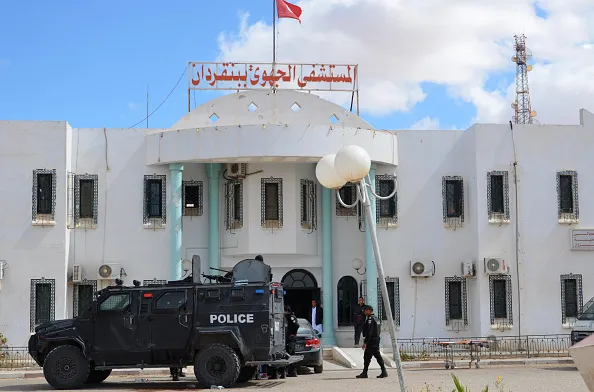
At least 53 people were killed in Tunisia after extremist gunmen attacked a town on Monday near the Libyan border.
The government says 35 attackers, seven civilians, including a 12-year-old girl, and 11 members of security forces have been killed in Ben Guerdane. The gunmen entered the city at dawn, targeting a police station and military facilities, The Associated Press reports. The border with Libya has been closed, and witnesses say corpses are still in the street and gunmen are hiding inside houses.
The Week
Escape your echo chamber. Get the facts behind the news, plus analysis from multiple perspectives.

Sign up for The Week's Free Newsletters
Join more than 350,000 subscribers and keep yourself informed with a selection of The Week’s most interesting, enlightening and entertaining stories - plus daily puzzles.
Join more than 350,000 subscribers and keep yourself informed with a selection of The Week’s most interesting, enlightening and entertaining stories - plus daily puzzles.


