U.N. official says 'unjustified' killings in Yemen conflict represent 'shocking' failure to 'protect civilians'

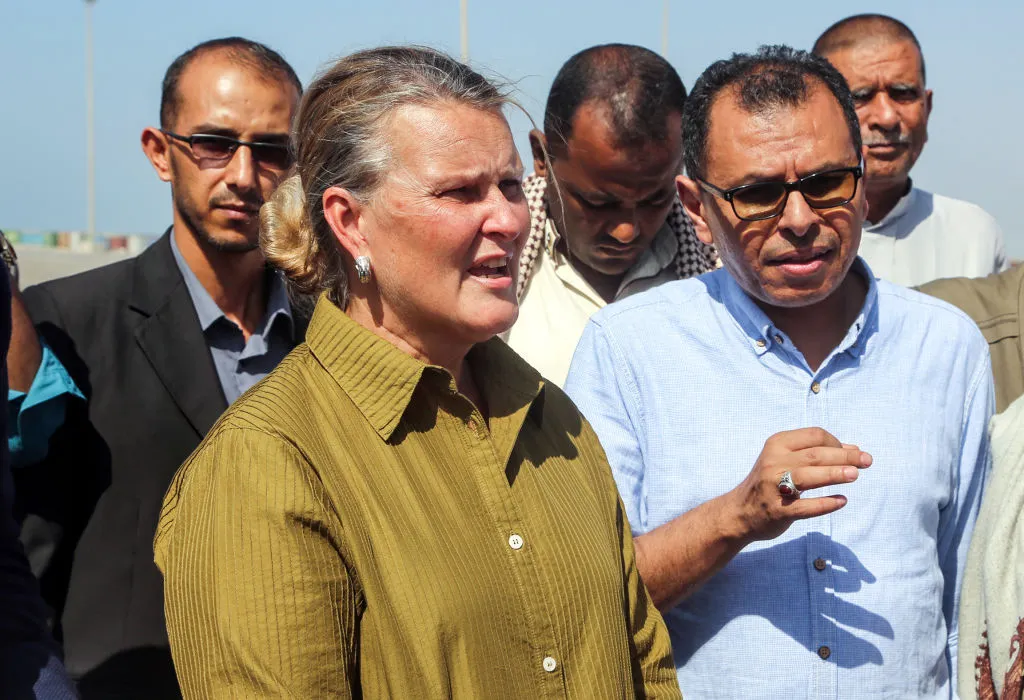
Yemen's Houthi rebels said air raids conducted by the Western-backed Saudi-UAE-led military coalition killed more than 30 civilians Saturday just one day after the rebels said they shot down a Saudi jet fighter with a surface-to-air missile. The United Nations confirmed Saturday's death toll.
The Houthis said women and children were among the dead, and the coalition acknowledged the "possibility of collateral damage" during their search-and-rescue mission for the downed plane.
The Week
Escape your echo chamber. Get the facts behind the news, plus analysis from multiple perspectives.

Sign up for The Week's Free Newsletters
Join more than 350,000 subscribers and keep yourself informed with a selection of The Week’s most interesting, enlightening and entertaining stories - plus daily puzzles.
Join more than 350,000 subscribers and keep yourself informed with a selection of The Week’s most interesting, enlightening and entertaining stories - plus daily puzzles.