Cuba’s power grid fails as Trump lays claim to island
The blackout left the island’s 11 million people in darkness


What happened
Cuba’s aging electrical grid collapsed Monday, leaving the island nation of some 11 million people without power amid a U.S. oil blockade. Cuban President Miguel Díaz-Canel last week blamed the U.S. embargo for Cuba’s economic problems, saying no oil shipments had arrived for three months. But in a national broadcast, he acknowledged for the first time that his government was in talks with the Trump administration to “identify the bilateral problems that need a solution.” President Donald Trump on Monday told reporters he believed he would have “the honor of taking Cuba.”
Who said what
The Week
Escape your echo chamber. Get the facts behind the news, plus analysis from multiple perspectives.

Sign up for The Week's Free Newsletters
Join more than 350,000 subscribers and keep yourself informed with a selection of The Week’s most interesting, enlightening and entertaining stories - plus daily puzzles.
Join more than 350,000 subscribers and keep yourself informed with a selection of The Week’s most interesting, enlightening and entertaining stories - plus daily puzzles.
What next?

-
-
 talking pointsAfter Pike disaster, is it time to rethink death penalty?
 -
 QUOTE OF THE DAY‘What it actually means in the American context is you want to replace American workers with foreign workers and you want boys to play in girls’ sports.’
 -
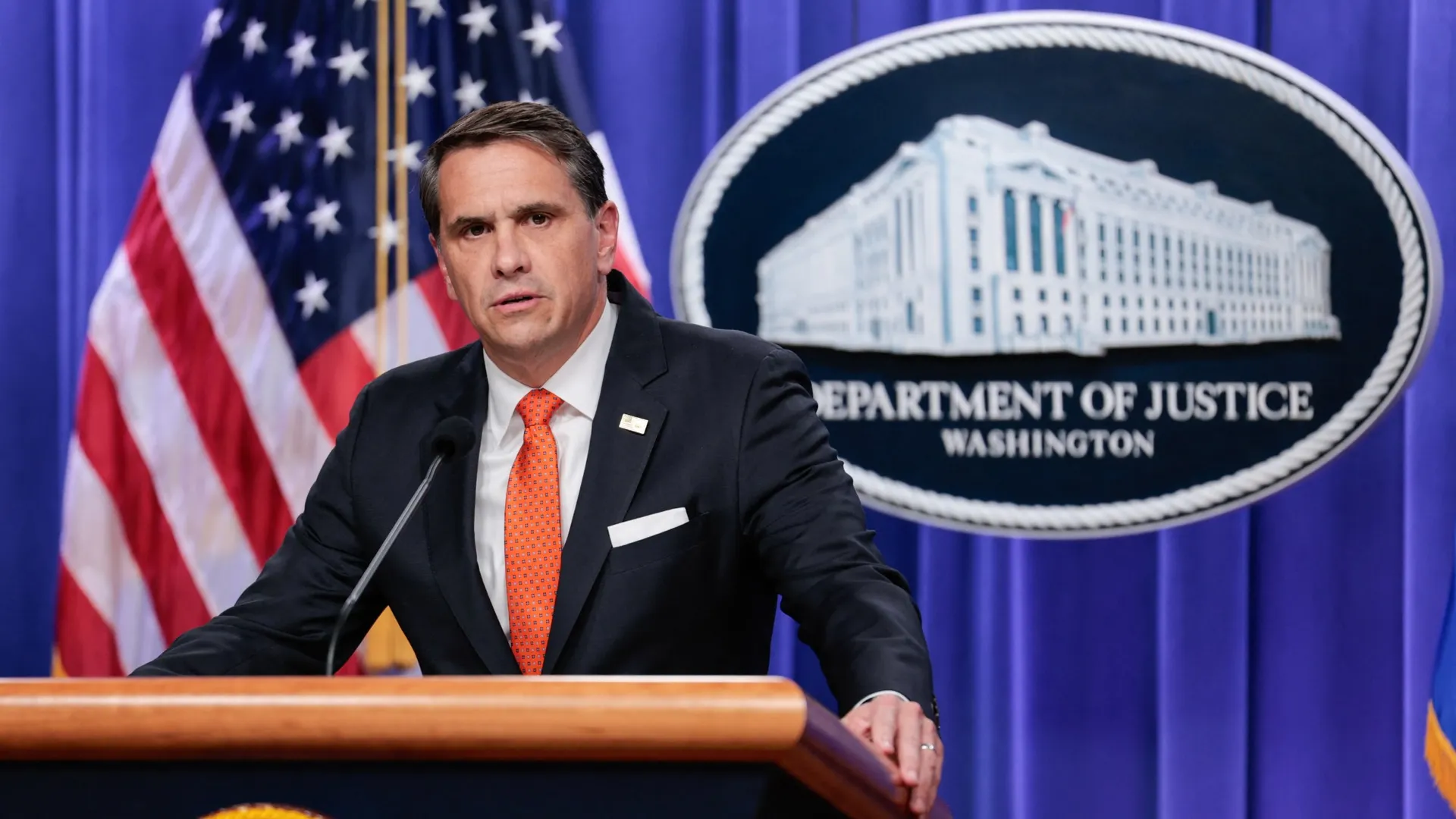 the explainerJustice Dept. launches largest-ever effort to strip citizenship
-
-
-
talking pointsAfter Pike disaster, is it time to rethink death penalty?
-
QUOTE OF THE DAY‘What it actually means in the American context is you want to replace American workers with foreign workers and you want boys to play in girls’ sports.’
-
the explainerJustice Dept. launches largest-ever effort to strip citizenship
-