An “extraordinary diplomatic row” has erupted between South Korea and Ukraine over the fate of two North Korean prisoners of war, said the Financial Times.
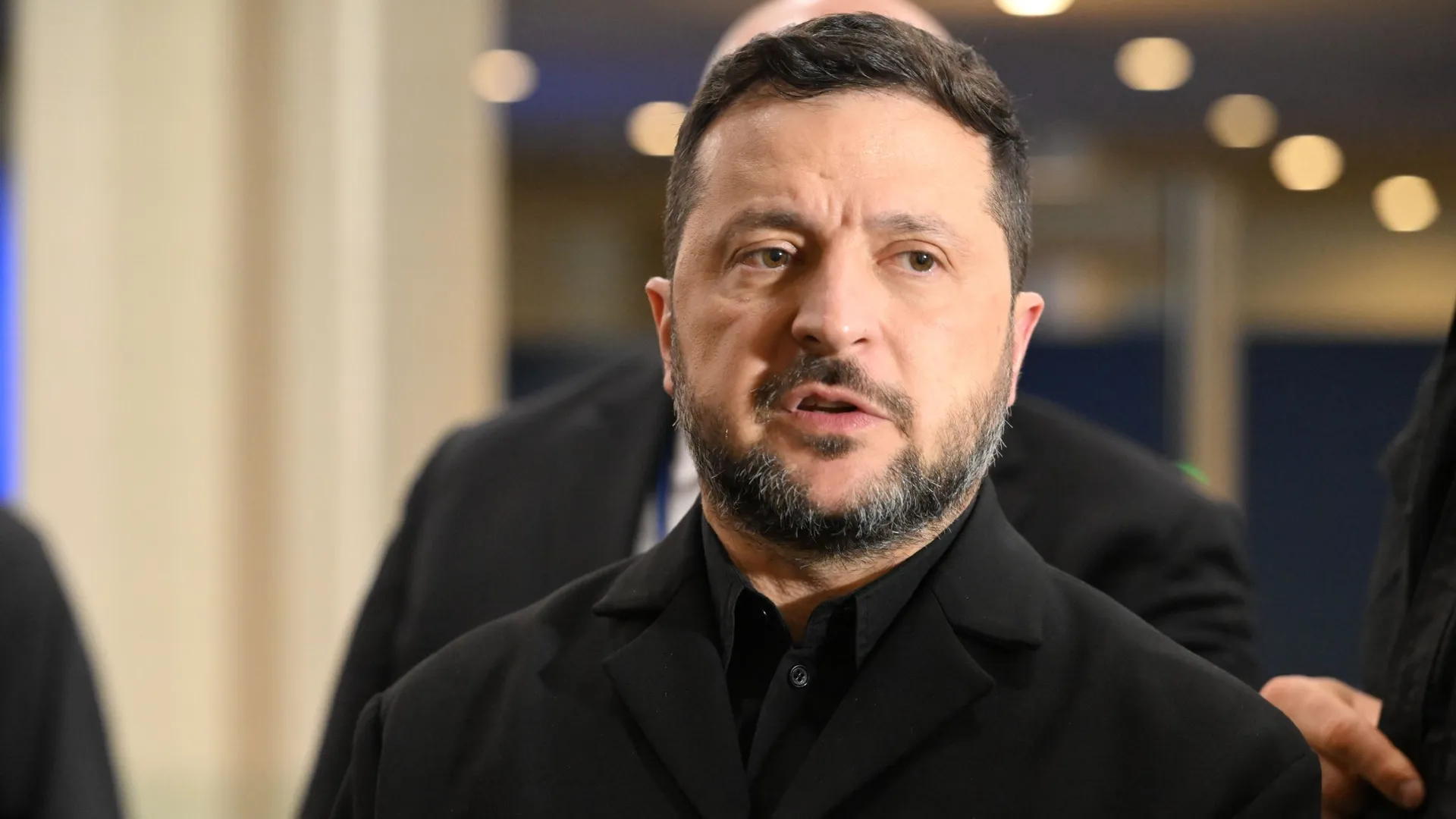
At the UN General Assembly last week, Volodymyr Zelenskyy revealed that Ukraine had transferred the men, who were captured while fighting for Russia, to South Korea. Seoul has since demanded an official apology, accusing the Ukrainian president of violating a secrecy agreement about the transfer, which was arranged to ensure the prisoners’ safety from reprisals.
But Kyiv has denied that such a confidentiality agreement existed, creating both an international and domestic drama for President Lee Jae-myung.
The Week
Escape your echo chamber. Get the facts behind the news, plus analysis from multiple perspectives.
SUBSCRIBE & SAVE
Sign up for The Week's Free Newsletters
Join more than 350,000 subscribers and keep yourself informed with a selection of The Week’s most interesting, enlightening and entertaining stories - plus daily puzzles.
Join more than 350,000 subscribers and keep yourself informed with a selection of The Week’s most interesting, enlightening and entertaining stories - plus daily puzzles.
Latest Videos FromThe Week US
The prisoners of war
The two men, who were reportedly wounded and captured in Russia’s Kursk region in early 2025, are among tens of thousands of North Korean soldiers sent to fight for Russia against Ukraine. So far, they are the only known surviving prisoners. One of the men, when he realised he was going to be taken prisoner, “tried to kill himself and he was shocked that fate didn’t let him die”, Zelenskyy added in his speech. “This is how they raise people in the North.”
The two prisoners told local media that they “wanted to be sent to South Korea”, said BBC News. South Korea “legally regards the North as part of its territory”, said The Associated Press. Its policy is to accept and support defectors from North Korea; more than 34,000 have arrived since the end of the Korean War. The majority are female civilians from the “poorer northern regions”; defections by soldiers are “uncommon”.
After negotiations between Seoul and Kyiv, the soldiers reportedly arrived in South Korea via a third country this month. Seoul claims Ukraine requested secrecy to avoid domestic criticism for passing up the opportunity to exchange the North Koreans for Ukrainian prisoners held in Russia. South Korea agreed, President Lee claims, partly to protect the soldiers and their families from reprisals by the North Korean regime.
In North Korea, the families of defectors can face “collective punishment such as internment or forced labour”, said the Financial Times. Ukraine has “done a lot of damage to the welfare of these soldiers and their families”, said Peter Ward at the Sejong Institute. “The South Korean media should probably never have been granted access to them. Ideally, their capture should have been kept permanently secret.”
Diplomatic headache
After Zelenskyy revealed the transfer at the UN, Lee said on X that Ukraine had broken a “non-disclosure agreement”. But Dmytro Lytvyn, Zelenskyy’s communications adviser, denied the accusation, writing on Facebook that “there was no such agreement”.
The row has “prompted questions over why Seoul placed such importance on keeping the transfer quiet”, said The Korean Herald. South Korea might have “wanted to minimise potential friction” with the North, as Seoul hopes to “reopen dialogue” between Washington and Pyongyang.
The row also highlights South Korea’s ambiguous position on Ukraine: South Korea was once one of Russia’s foremost trading partners, and has worked to “deepen trade and diplomatic relations with Russia, which borders North Korea”, said the BBC.
After Russia launched its full-scale invasion, Seoul condemned Moscow and joined Western sanctions against Russia. In July, it announced a $100 million support package for Kyiv. But it has “kept the war at arm’s length”, said The Guardian. It has refused to send much-needed weapons, citing its policy of only providing humanitarian aid, rather than lethal weapons, to active war zones.
The situation has created a headache for Lee, whose government is “keen to improve relations” with North Korea. The row has turned “cautious support for Kyiv into open criticism” of aid.