Sign up to get Today’s Best Articles in your inbox
Join 350,000+ subscribers and keep yourself informed with a selection of
The Week’s most interesting, enlightening and entertaining stories - plus daily puzzles.
You are now subscribed
Your newsletter sign-up was successful
Want to add more newsletters?
An account already exists for this email address, please log in.
More than 900 million Android phones vulnerable to hackers
QuadRooter bug could allow cyber-attackers access to smartphone's apps, settings and camera, warn experts
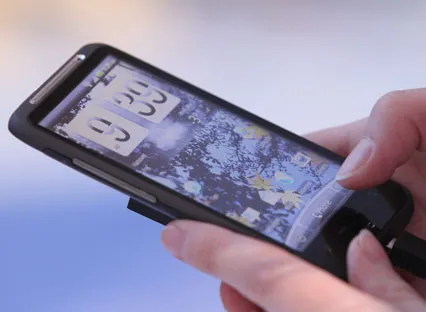
More than 900 million Android smartphones have huge security flaws that could give hackers full access to the device's apps, settings and camera.
The bug, which has been given the name QuadRooter, was discovered by researchers from Check Point, who exposed vulnerabilities in the Qualcomm chipsets used in many phones running Google's mobile operating system, reports the BBC. It could affect the latest devices from key smartphone players Samsung, LG and BlackBerry.
So far, there has been no evidence of the bug being used to attack the systems, but Check Point expects hackers to begin doing so within the next three to four months.
The Week
Escape your echo chamber. Get the facts behind the news, plus analysis from multiple perspectives.
Join more than 350,000 subscribers and keep yourself informed with a selection of The Week’s most interesting, enlightening and entertaining stories - plus daily puzzles.
Join more than 350,000 subscribers and keep yourself informed with a selection of The Week’s most interesting, enlightening and entertaining stories - plus daily puzzles.
"It's always a race as to who finds the bug first, whether it's the good guys or the bad", Michael Shaulov, Checkpoint's head of mobility product management, told the BBC.
Check Point told Qualcomm about QuadRooter earlier this year and the company have now altered the manufacture of its chipsets. It has also created patches to repair the vulnerabilities, although it's up to the phones' maker or operator to issue the fix.
Check Point has also released a free app that determines whether the security updates have reached your phone or not.
The Daily Telegraph advises worried users to make sure their operating system is up to date and to contact the phone's manufacturer or network operator to see if a security update is available.
Sign up to get Today’s Best Articles in your inbox
A free daily email with the day’s biggest news and analysis – and the best features from TheWeek.com