Sign up to get Today’s Best Articles in your inbox
Join 350,000+ subscribers and keep yourself informed with a selection of
The Week’s most interesting, enlightening and entertaining stories - plus daily puzzles.
You are now subscribed
Your newsletter sign-up was successful
Want to add more newsletters?
An account already exists for this email address, please log in.
Film review: The Duke
A moving and witty account of an art heist that gripped the nation in 1961
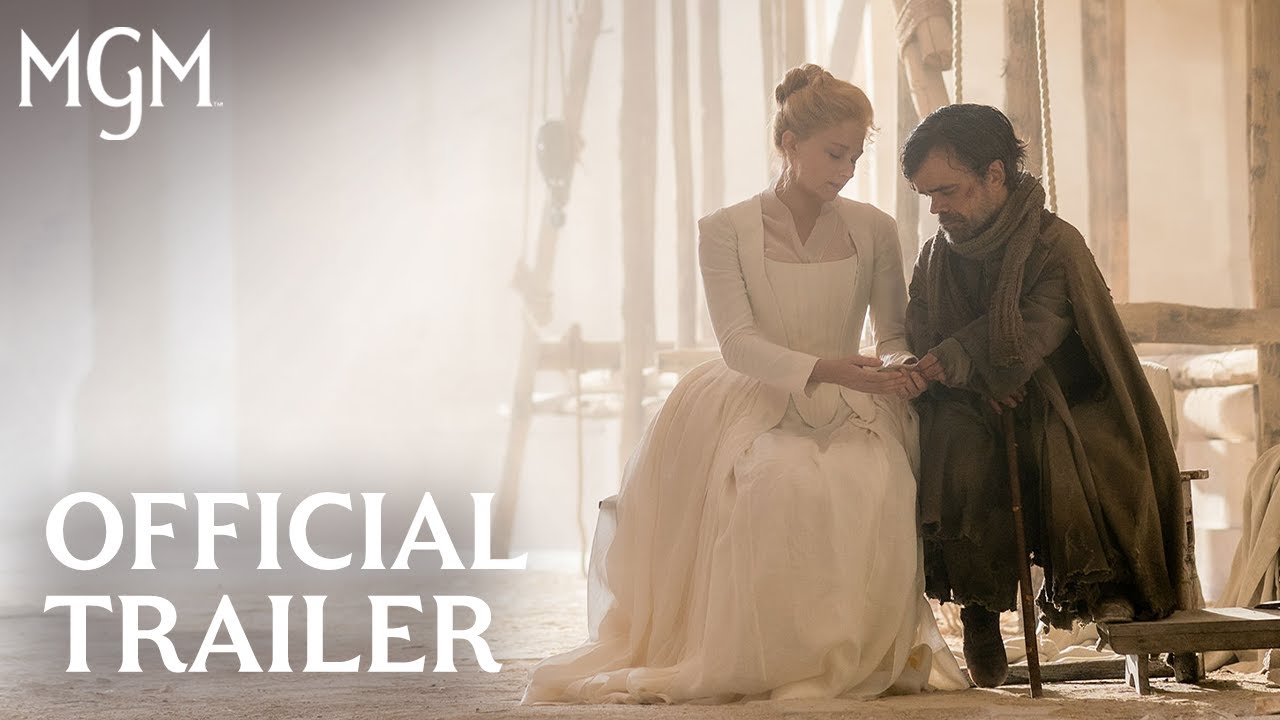
Cyranode Bergerac “has been adapted for the movies many times”, said Peter Bradshaw in The Guardian; this latest version is based on Erica Schmidt’s stage musical, and stars Peter Dinklage as the soldier poet hopelessly in love with Roxanne (Haley Bennett).
In the 1897 play, Cyrano has an “unfunnily phallic big nose”; here his “schnoz” is normal-sized, but he is convinced that Roxanne will never love him because of his short stature. So when she falls for the handsome but doltish and “hopelessly tongue-tied” Christian (Kelvin Harrison Jr), Cyrano offers to ghostwrite Christian’s love letters, in the hopes of making her happy. The film is slow and solemn but redeemed by Dinklage, who unleashes the full force of his “natural charisma”.
He is good, but alas, the music is not, said Wendy Ide in The Observer. Composed by the rock band The National, the songs are forgettable and “virtually tuneless”; and the screenplay is little better: it wallows in the “tragedy of the story” while failing to convey Cyrano’s “parrying humour”. Without that “essential part of the character’s appeal”, it falls to the film’s “glorious scenery” (it’s filmed in Sicily) to do lots of the “heavy lifting”.
The Week
Escape your echo chamber. Get the facts behind the news, plus analysis from multiple perspectives.
Join more than 350,000 subscribers and keep yourself informed with a selection of The Week’s most interesting, enlightening and entertaining stories - plus daily puzzles.
Join more than 350,000 subscribers and keep yourself informed with a selection of The Week’s most interesting, enlightening and entertaining stories - plus daily puzzles.
But the real problem with Joe Wright’s film is that the main characters “feel like total strangers throughout”, although the script informs us that they can see into each other’s hearts, said Tim Robey in The Daily Telegraph.
That is partly down to their weirdly mismatched accents: Bennett speaks in an English one, while Dinklage has kept his “American growl”. But it is also because Roxanne comes across as an imperious snob. It’s a poor Cyrano in which we feel both the men are wasted on her.
Sign up to get Today’s Best Articles in your inbox
A free daily email with the day’s biggest news and analysis – and the best features from TheWeek.com