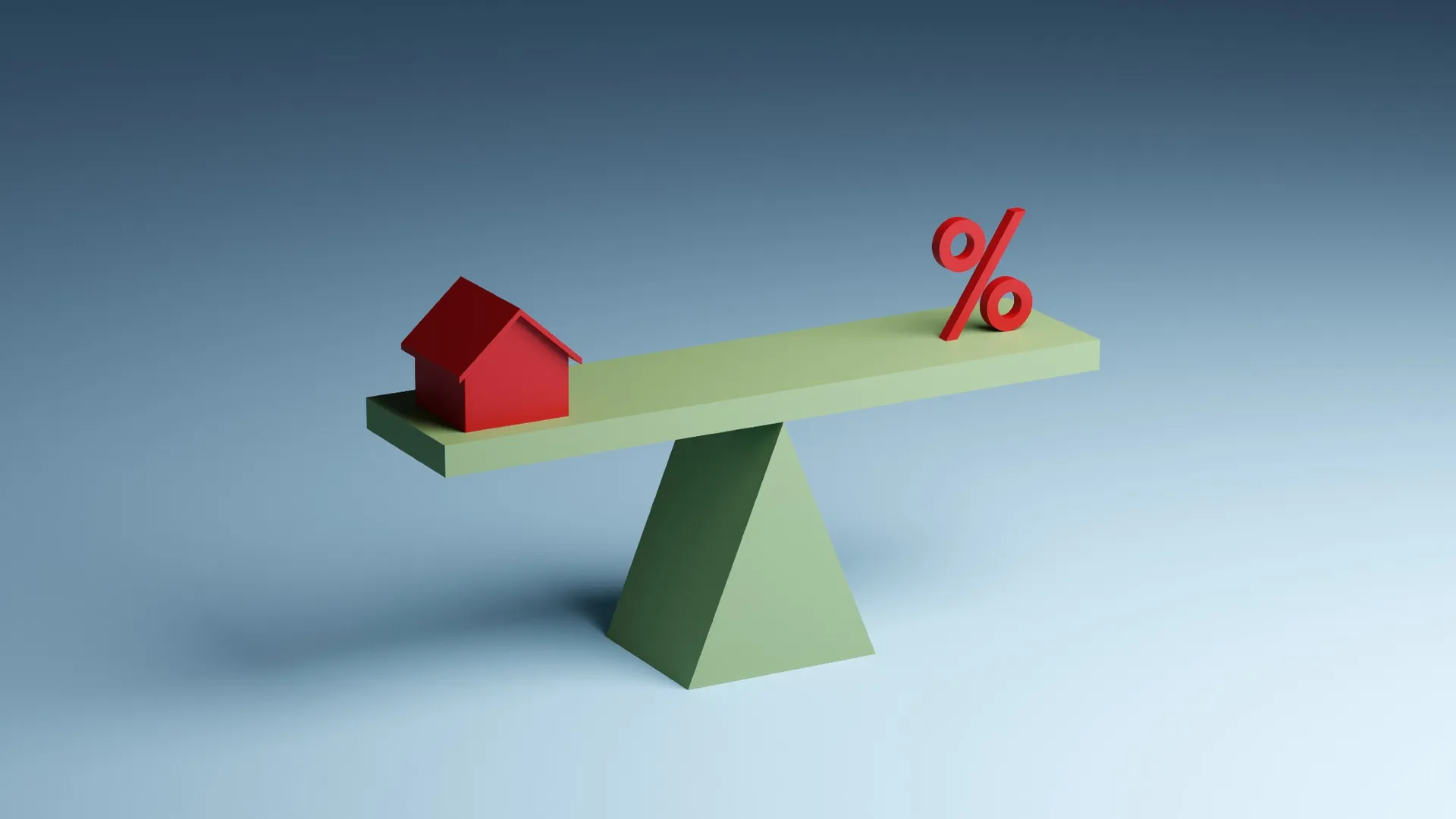
For most of this century, homebuyers could depend on relatively low mortgage rates at no more than 5%. But that’s no longer true. The average 30-year mortgage rate hit 7% this week, and high rates may be here to stay, which could profoundly impact an already dysfunctional U.S. housing market.
The 7% rate has no significance “beyond the psychological effect of the round number,” said NPR. But it reflects a “sharp rise” in rates in recent months that is “squeezing the budgets of homebuyers” and seems likely to “deepen the freeze” on a housing market that has been stymied by high prices in recent years. Rising rates “contributed to a 2% decline” in existing home sales in August.
High mortgage costs are “forcing home sellers to slash prices,” said Bloomberg. Nearly a fifth of homes for sale “had a price cut in August,” the highest rate since the pandemic. It is true that current rates are “far from the double-digit levels of the 1980s,” but they discourage homebuying when combined with other factors like “stubborn inflation, rising energy prices” and “record-high home prices.” Plus, would-be buyers who can afford the higher rates are “coming to the table expecting to negotiate the price down.” The result: Home sellers are “feeling the strain.”
The Week
Escape your echo chamber. Get the facts behind the news, plus analysis from multiple perspectives.
SUBSCRIBE & SAVE
Sign up for The Week's Free Newsletters
Join more than 350,000 subscribers and keep yourself informed with a selection of The Week’s most interesting, enlightening and entertaining stories - plus daily puzzles.
Join more than 350,000 subscribers and keep yourself informed with a selection of The Week’s most interesting, enlightening and entertaining stories - plus daily puzzles.
Latest Videos FromThe Week US
More buyers are moving to adjustable-rate mortgages “where the rate changes typically after five, seven or 10 years,” said Marketplace. That can “make a big difference in affordability” for buyers but is also risky. An adjustable-rate mortgage that starts out at 6% today “could, depending on the term, in five years be 8.10%,” Susan Wachter, of the Wharton School of the University of Pennsylvania, said to the outlet. Many buyers take the adjustable mortgages betting that rates will drop, and “they’ll be able to refinance,” said Marketplace. Trying to predict future rates “can be a dangerous game,” Longbridge Financial’s Chris Mayer told Marketplace.
What next?
The high rates may play a role in November’s midterm election, said Politico. President Donald Trump in 2024 “vowed that interest rates on mortgages would drop to 2%.” His promise is “looking less likely than ever” to come to fruition.
Rates briefly dipped under 6% in February before the Iran war began, said CNN. But somebody buying a house at today’s rates would likely “pay hundreds of thousands of dollars more in interest” over the life of a 30-year mortgage. There may be no going back to the good old days of six months ago. “Expect 7% as the new normal,” economist Lawrence Yun said in a blog post for the National Association of Realtors. Unsurprisingly, this is putting off potential homebuyers: Mortgage applications “fell 11% last week from the same week a year ago,” said CNN.
Near-term relief is unlikely. Rates are “far more likely to go up than down by the end of the year or in the next month or two,” Realtor.com’s Jake Krimmel said to CBS News.