
‘World Cup Fever: A Soccer Journey in Nine Tournaments’ by Simon Kuper
“It would be a mistake to think of World Cup Fever as a simple sports book,” said Dan Friedman in the Los Angeles Review of Books. Simon Kuper, a sportswriter for the Financial Times, has attended every World Cup tournament since 1990, and he’s “uniquely qualified” to tell each of the several stories his latest work weaves together. Besides being a memoir, a portrait of the passions soccer inspires, and an account of how the World Cup and the game itself have evolved since the inaugural 1930 tournament, “it is, in effect, a snapshot of how history has dashed the hopes of the post–Cold War generations.” FIFA, the organization that runs the World Cup, once was led by men who dreamed that sport could help create a more just and democratic world. But power eventually shifted to the “venal creeps” who’ve run the show for three decades. Indeed, after reading Kuper’s “complex and loving” indictment of the sport, “I felt physically sick.”
Kuper, “one of the best sportswriters in the English language today,” doesn’t overromanticize the World Cup’s past, said Ian Buruma in The New Yorker. Jules Rimet, the idealist who presided over FIFA from 1921 until 1954, agreed to let Mussolini’s Italy hold the 1934 event, establishing that any nation can win FIFA’s blessing if it’s willing to pay the costs of hosting. Rimet’s successors kowtowed to murderous dictatorships in Chile and Argentina, while the most recent Cups have unfolded in Putin’s Russia in 2018 and in Qatar, an authoritarian sheikdom. FIFA was always corrupt. In Kuper’s “highly engaging” book, we learn how it’s become more corrupt than ever, but we also get much more. The Ugandan-born, Dutch-raised French resident writes “superbly” about the skills of different players and national teams, and he’s just as good at observing the cultural differences between host cities and each team’s fan following.
“Each tournament Kuper has covered marked a shift in the geopolitical weather,” said Andre Pagliarini in The New Republic. When Italy hosted in 1990, hopes were high because the Cold War had entered a twilight phase. In 2018, Russia paused to host between its invasions of Ukraine. And Kuper also provides revealing portraits of 2002 East Asia, 2010 South Africa, and 2014 Brazil. “World Cups don’t change the world,” he writes, “but they do illuminate it.” He proves that over and over again, providing “a testament to the benefits of committing oneself to a subject for a long time.” As viewers around the globe watch the World Cup unfolding, “they see virtuosity, emotion, and the hand of fate at work on the grandest stage in sports.” Because the event is a mirror, “they also glimpse the world as it is.”
‘Trash! A Garbageman’s Story’ by Simon Paré-Poupart
The Week
Escape your echo chamber. Get the facts behind the news, plus analysis from multiple perspectives.

Sign up for The Week's Free Newsletters
Join more than 350,000 subscribers and keep yourself informed with a selection of The Week’s most interesting, enlightening and entertaining stories - plus daily puzzles.
Join more than 350,000 subscribers and keep yourself informed with a selection of The Week’s most interesting, enlightening and entertaining stories - plus daily puzzles.
-
-
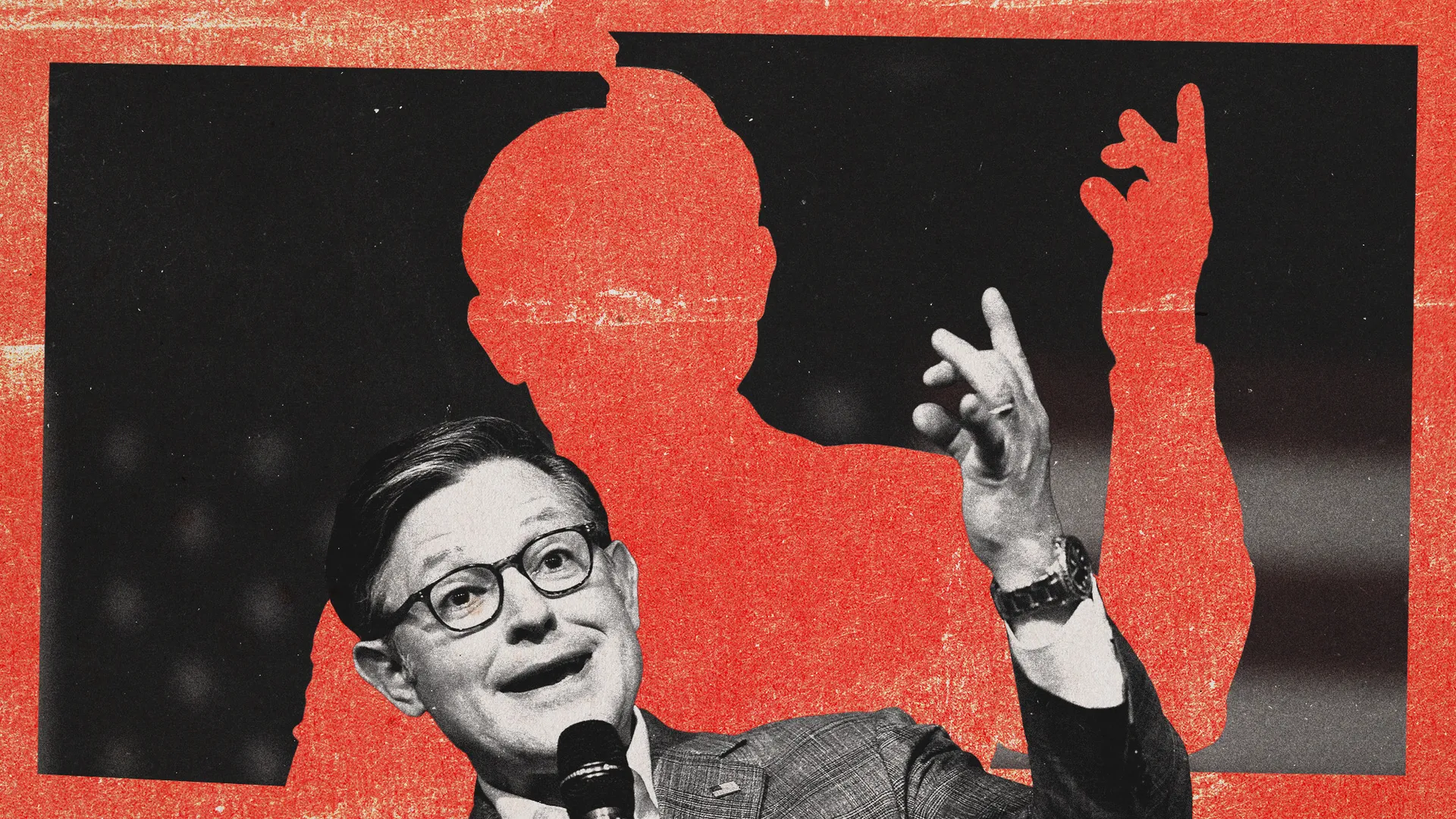 talking pointsA leadership power vacuum may await Republicans
 -
 QUOTE OF THE DAY‘What kind of culture looks at sexual violence and sees an opportunity for profit? This is rape culture. And it should disturb every single one of us.’
 -
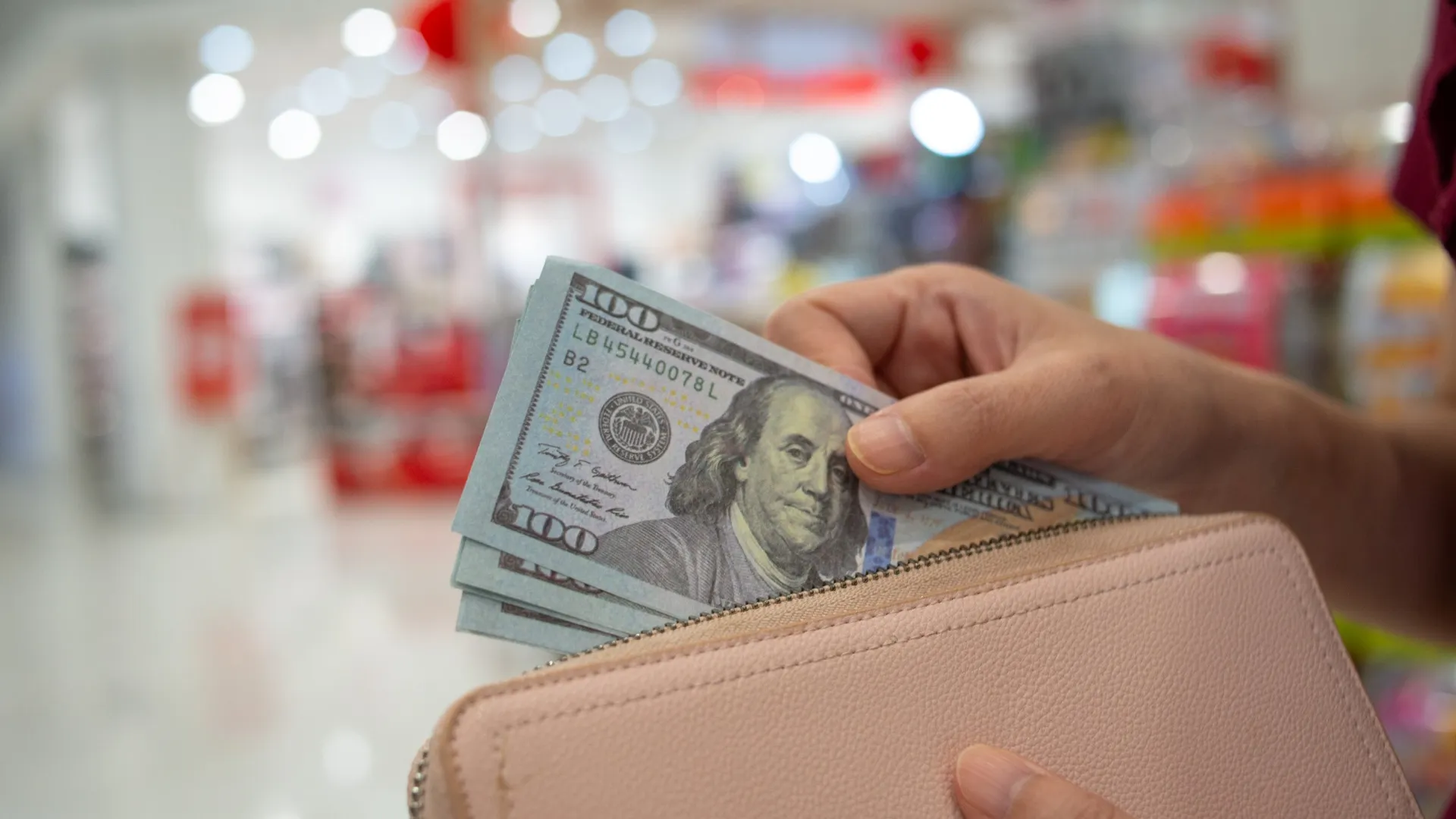 today’s big questionHow long can US consumers continue their spending spree?
-
-
-
talking pointsA leadership power vacuum may await Republicans
-
QUOTE OF THE DAY‘What kind of culture looks at sexual violence and sees an opportunity for profit? This is rape culture. And it should disturb every single one of us.’
-
today’s big questionHow long can US consumers continue their spending spree?
-