Sign up to get Today’s Best Articles in your inbox
Join 350,000+ subscribers and keep yourself informed with a selection of
The Week’s most interesting, enlightening and entertaining stories - plus daily puzzles.
You are now subscribed
Your newsletter sign-up was successful
Want to add more newsletters?
An account already exists for this email address, please log in.
The 9 best political thrillers of all time
From Watergate to the Iranian Revolution, these films combine drama, action and political machinations to great effect
Politics is the art of human beings solving problems without killing each other. Sometimes those efforts fail, never more memorably than in these classic political thrillers. They run the gamut from true storytelling about presidential corruption and the rescue of American diplomats in Iran to entirely fictional yet still believable stories about predatory drug companies and communist surveillance operations.
‘Foreign Correspondent’ (1940)
Foreign Correspondent (1940) ORIGINAL TRAILER [HD 1080p] - YouTube
Hotshot New York Globe crime reporter John Jones (Joel McCrea) is dispatched by his editor, Mr. Powers (Harry Davenport), to Europe on the precipice of WWII to figure out what is about to envelop the continent in director Alfred Hitchcock’s thriller. There Jones discovers an espionage ring bent on selling out the U.K. and the Netherlands to their adversaries.
While the movie functions superbly as a “bold call to action to stop the looming threat of Nazism in Europe,” it also “boasts some of Hitchcock’s most memorable sequences and technical tricks, making for one set piece after another of formal virtuosity” despite the era’s technical limitations, said Brian Eggert at Deep Focus Review. (HBO Max)
The Week
Escape your echo chamber. Get the facts behind the news, plus analysis from multiple perspectives.
Join more than 350,000 subscribers and keep yourself informed with a selection of The Week’s most interesting, enlightening and entertaining stories - plus daily puzzles.
Join more than 350,000 subscribers and keep yourself informed with a selection of The Week’s most interesting, enlightening and entertaining stories - plus daily puzzles.
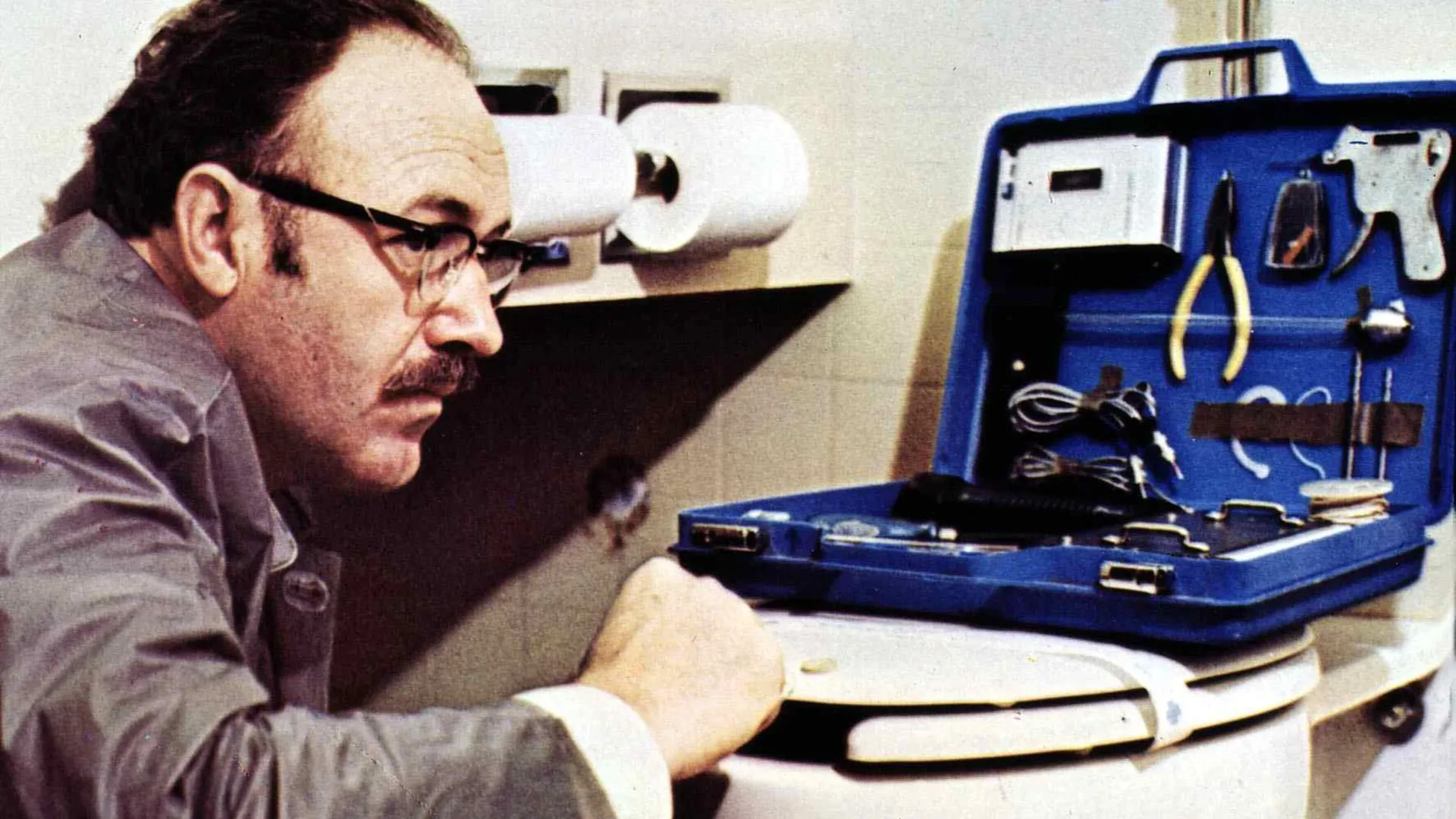
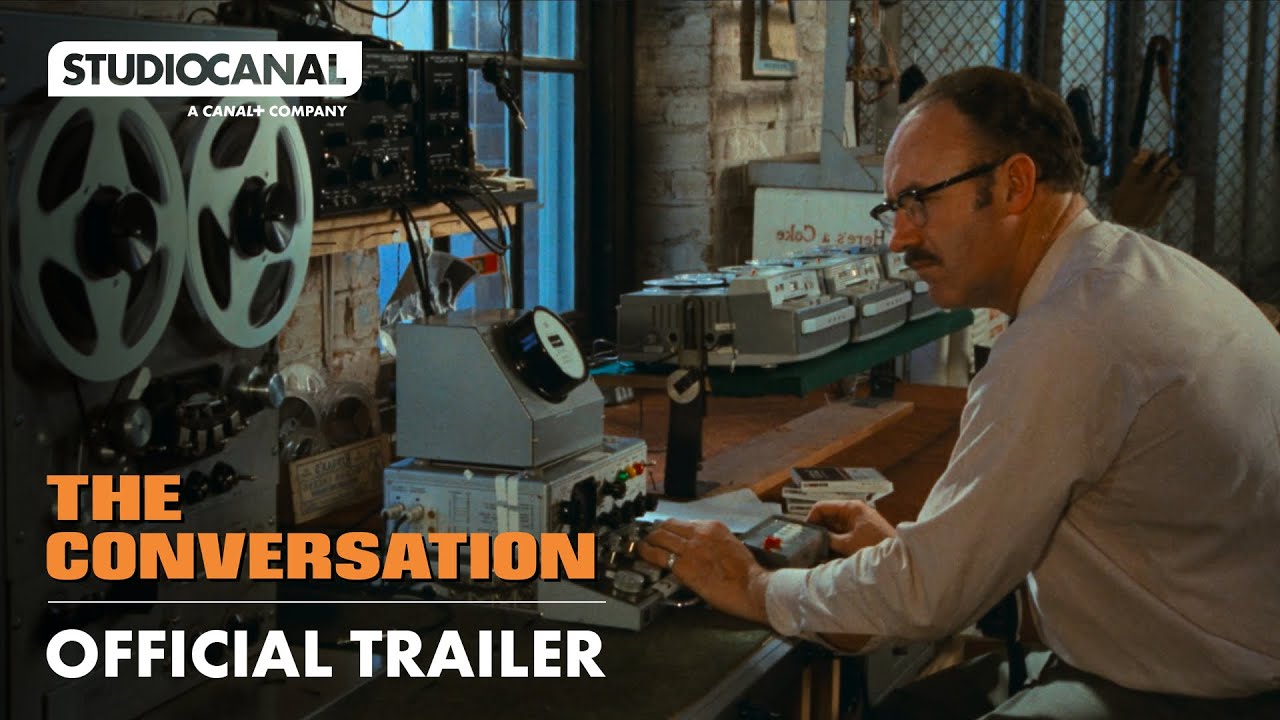
Arriving the same year that a wiretapping scandal brought down the administration of President Richard Nixon, director Francis Ford Coppola’s quietly devastating thriller follows Harry N. Caul (Gene Hackman), a surveillance wizard hired to record a conversation between Ann (Cindy Williams) and Mark (Frederic Forrest) at the behest of the shadowy Director (Robert Duvall). Harry’s growing suspicion that the young couple is in danger fuels a twisty narrative that keeps both him and the audience guessing and appraising their relationship with technology. A film that is more than just a “product of its Watergate-era anxieties,” Coppola’s haunting masterpiece is a “chillingly prescient and masterfully crafted character study with themes that echo louder than ever in our hyper-surveilled world,” said Andy Punter at InSession Film. (Prime Video)
‘All the President’s Men’ (1976)
All the President's Men (1976) ORIGINAL TRAILER - YouTube
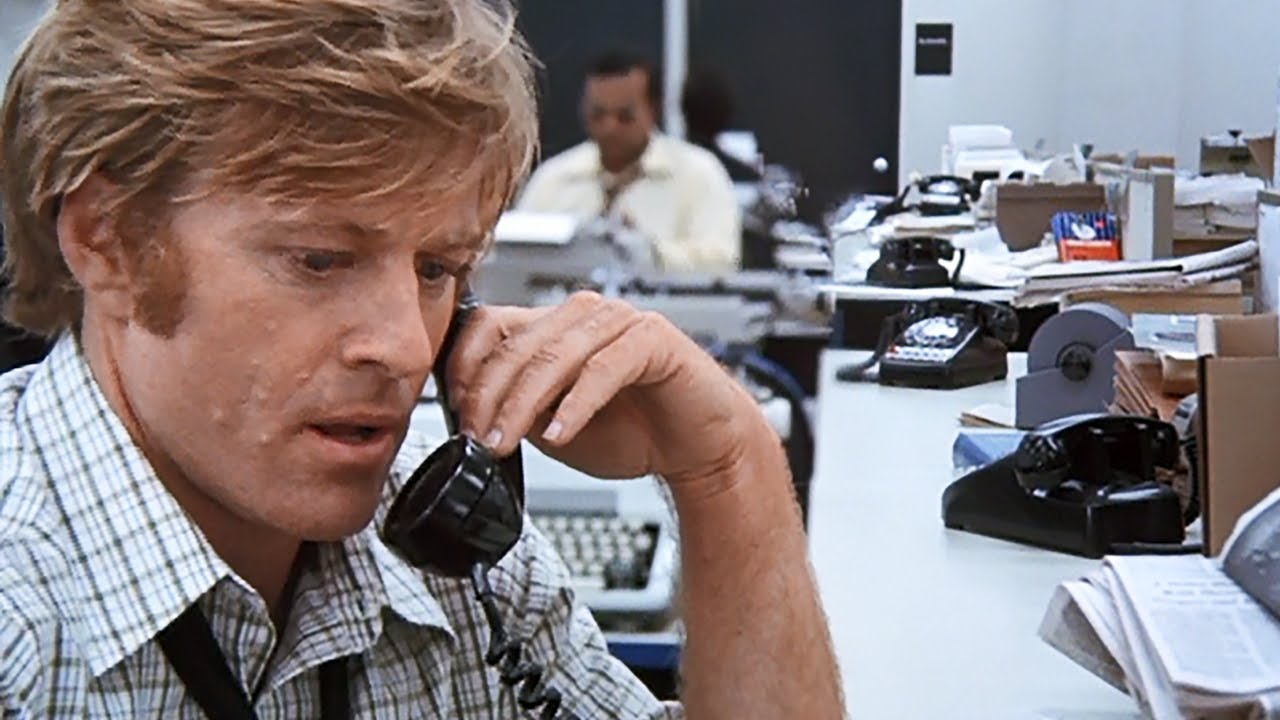
While it may seem quaint by today’s standards, the Watergate scandal consumed American politics for more than a year, ended Richard Nixon’s presidency and permanently decreased the public’s level of trust in the government. Director Alan J. Pakula’s film recreates the sleuthing of Washington Post reporters Bob Woodward (Robert Redford) and Carl Bernstein (Dustin Hoffman) that blew the conspiracy wide open.
“All the President’s Men” mesmerizes by faithfully depicting the banal proceduralism of good journalism. A film that “intentionally underplays the enormity of the central conspiracy and eludes any histrionic moralizing,” this “subversive detective story” brilliantly “rejects mythologizing the pivotal history behind it,” said Wes Greene at Slant Magazine. (Prime Video)
Alicia (Norma Aleandro) and Roberto (Héctor Alterio) are middle-class Argentines with connections in government and business and an adopted daughter, Gaby (Analia Castro), that they adore. But Alicia soon begins to suspect that her daughter is one of the children grotesquely stolen from the desaparecidos, dissidents disappeared by the country’s authoritarian junta, and that her husband might be in on the repugnant scheme.
Sign up to get Today’s Best Articles in your inbox
A free daily email with the day’s biggest news and analysis – and the best features from TheWeek.com
Director Luis Puenzo has made a “must-see film that, in light of the real events, paints a haunting picture of the cruelty humans inflict on one another” and also delicately “honors the memory of those affected by the tragedy that unfolded in Argentina,” said Matthew Jones at Philosophy in Film. (Tubi)
‘The Constant Gardener’ (2005)
The Constant Gardener (2005) Official Trailer - Ralph Fiennes, Rachel Weisz Movie HD - YouTube
“The Constant Gardener” is the first great paranoid thriller of the 21st century. When his wife, Tessa (Rachel Weisz), dies mysteriously, British diplomat Justin Quayle (Ralph Fiennes) gradually discovers layers about who she really was, first suspecting her of being unfaithful and then unraveling a conspiracy to test a new drug on unwitting African patients. Helmed by the great Brazilian director Fernando Meirelles (“City of God”), it is a “brainy thriller” whose “visuals create an overwhelming sense of the world gone mad, the world falling down around the hero just as he's beginning to understand the way it works,” said Tim Brayton at Alternate Ending. (Prime Video)
‘The Lives of Others’ (2006)
The Lives of Others | Official Trailer (2006) - YouTube
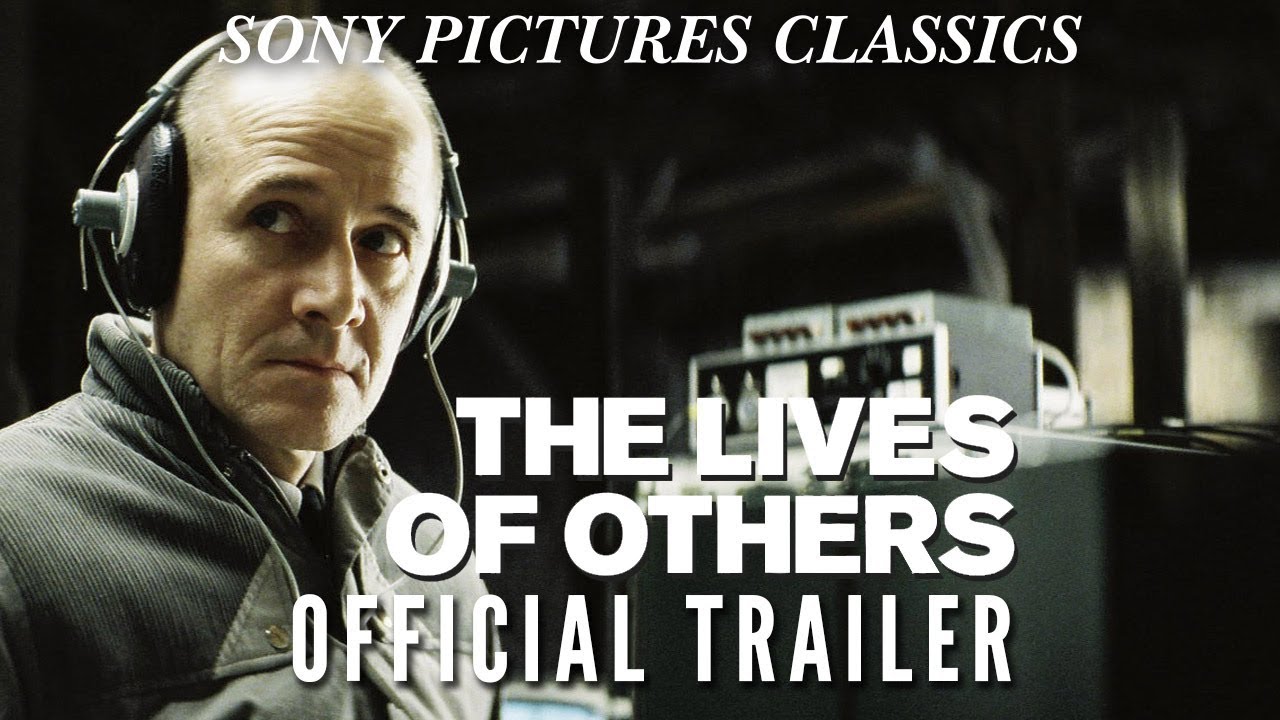
At once both chilling and moving, director Florian Henckel von Donnersmarck has created what may stand as the most enduring indictment of the 20th century authoritarian surveillance state. Set in East Germany near the end of its communist regime, it is about Stasi officer Gerd Wiesler (Ulrich Muhe), who begins surveilling a prominent playwright, Georg Dreyman (Sebastian Koch), and his mistress, Christa-Maria Sieland (Martina Gedeck).
The monastic Wiesler eventually comes to believe Dreyman is harmless and in the process doubts the very foundations of autocracy itself. A film that is “alert to the Kafkaesque absurdity of everyday life” in communist regimes, it “has a maturity and breadth of vision rarely found in a debut feature,” said Geoffrey Macnam at Sight and Sound. (Prime Video)
Ben Affleck directs and stars in this zippy thriller about the clandestine efforts to exfiltrate six American diplomats who managed to escape before they became hostages at the U.S. embassy during the Iranian Revolution. Affleck stars as CIA officer Tony Mendez, who concocts a creative cover story about how the diplomats are in Iran working on a Canadian science-fiction film. Affleck “displays a fearlessness when it comes to mixing genre” in this “part-comic, part-thriller narrative” whose mostly-but-not-entirely-true twists and turns “ensure your nails are down to the quick by the end credits,” said Amber Wilkinson at Eye for Film. (Prime Video)
‘Manuscripts Don’t Burn’ (2013)
MANUSCRIPTS DON'T BURN - Official UK Trailer - Winner Of The FIPRESCI Prize In Cannes - YouTube
Iranian director Mohammad Rasoulof’s haunting “Manuscripts Don’t Burn” had to be smuggled into the Cannes Film Festival to protect its cast and crew, who remain anonymous to this day. It follows two government assassins, Khosrow and Morteza, who are tasked with tracking down, torturing and killing a group of dissidents suspected of distributing a manuscript.
That document pertains to what became known in Iran as the “Chain Murders,” a series of assassinations of intellectuals and dissidents in the 1990s. A “harrowing masterpiece,” it is an “unflinching look at creative oppression” that stands as an “entirely singular film experience,” said Joshua Brunsting at CriterionCast. (Prime Video)
‘Official Secrets’ (2019)
Official Secrets ft. Keira Knightley, Ralph Fiennes, Matt Smith - Official Trailer I HD I IFC Films - YouTube
The combination of arrogance and doctored intelligence that led the United States and its allies into the 2003 Iraq War is almost made for Hollywood. In “Official Secrets,” real-life British intelligence officer Katharine Gun (Keira Knightley) uncovers evidence of a joint British-American conspiracy to spy on and then pressure diplomats from countries on the U.N. Security Council to secure their votes for a resolution authorizing the war.
Martin Bright (Matt Smith) and Peter Beaumont (Matthew Goode) are journalists at The Observer who wrestle with the implications of publishing the story. The film turns a “historical footnote with potent resonance” into a “compelling tale of injustice on an individual and global level,” said Peter Travers at Rolling Stone. (Netflix)
David Faris is a professor of political science at Roosevelt University and the author of "It's Time to Fight Dirty: How Democrats Can Build a Lasting Majority in American Politics." He's a frequent contributor to Newsweek and Slate, and his work has appeared in The Washington Post, The New Republic and The Nation, among others.

![Foreign Correspondent (1940) ORIGINAL TRAILER [HD 1080p] - YouTube](https://img.youtube.com/vi/zXbQ7CRaAao/maxresdefault.jpg)



![Argo - Official Trailer 1 [HD] - YouTube](https://img.youtube.com/vi/T29kIOXpj6o/maxresdefault.jpg)


 talking pointsLivestreaming an execution: cruelty or added deterrent?
 QUOTE OF THE DAY‘You don’t get to take a man from his family. You don’t get to take his very life, his whole future from him, and just walk away from it. Especially when that man is Tupac Shakur.’
 today’s big questionCan a Democrat win the Texas governor’s race?