One great cookbook: ‘660 Curries’ by Raghavan Iyer
A mammoth book tries to capture the breadth of Indian cooking

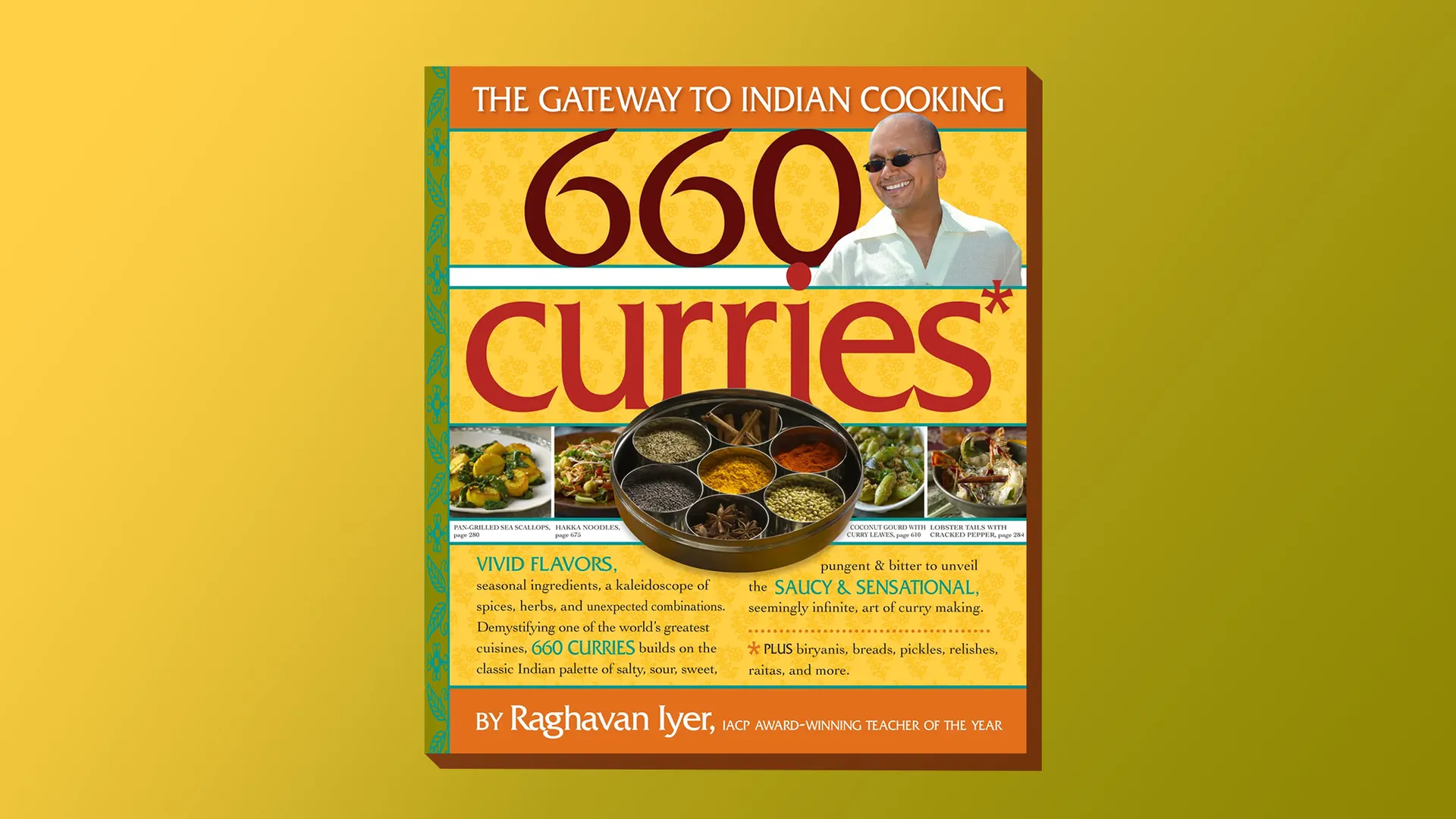
Most standard-size cookbooks showcase between 100 and 150 recipes. In 2008, the author and cooking teacher Raghavan Iyer said “pshaw” and published his magnum opus, “660 Curries.”
“To us Indians, a curry is a sauce-based dish,” said Iyer, meaning “curry” as employed in Western instances like all-purpose “curry powder” is a term so general as to lose all significance. Curry instead is both the alpha and the omega. It’s both a saucy dish across the subcontinent and a hyper-regional way of preparing said saucy dishes.
Name your cooking weapon
The Week
Escape your echo chamber. Get the facts behind the news, plus analysis from multiple perspectives.

Sign up for The Week's Free Newsletters
Join more than 350,000 subscribers and keep yourself informed with a selection of The Week’s most interesting, enlightening and entertaining stories - plus daily puzzles.
Join more than 350,000 subscribers and keep yourself informed with a selection of The Week’s most interesting, enlightening and entertaining stories - plus daily puzzles.
To the curry-sphere and beyond

-
-
 talking pointsAfter Pike disaster, is it time to rethink death penalty?
 -
 QUOTE OF THE DAY‘What it actually means in the American context is you want to replace American workers with foreign workers and you want boys to play in girls’ sports.’
 -
 the explainerJustice Dept. launches largest-ever effort to strip citizenship
-
-
-
talking pointsAfter Pike disaster, is it time to rethink death penalty?
-
QUOTE OF THE DAY‘What it actually means in the American context is you want to replace American workers with foreign workers and you want boys to play in girls’ sports.’
-
the explainerJustice Dept. launches largest-ever effort to strip citizenship
-