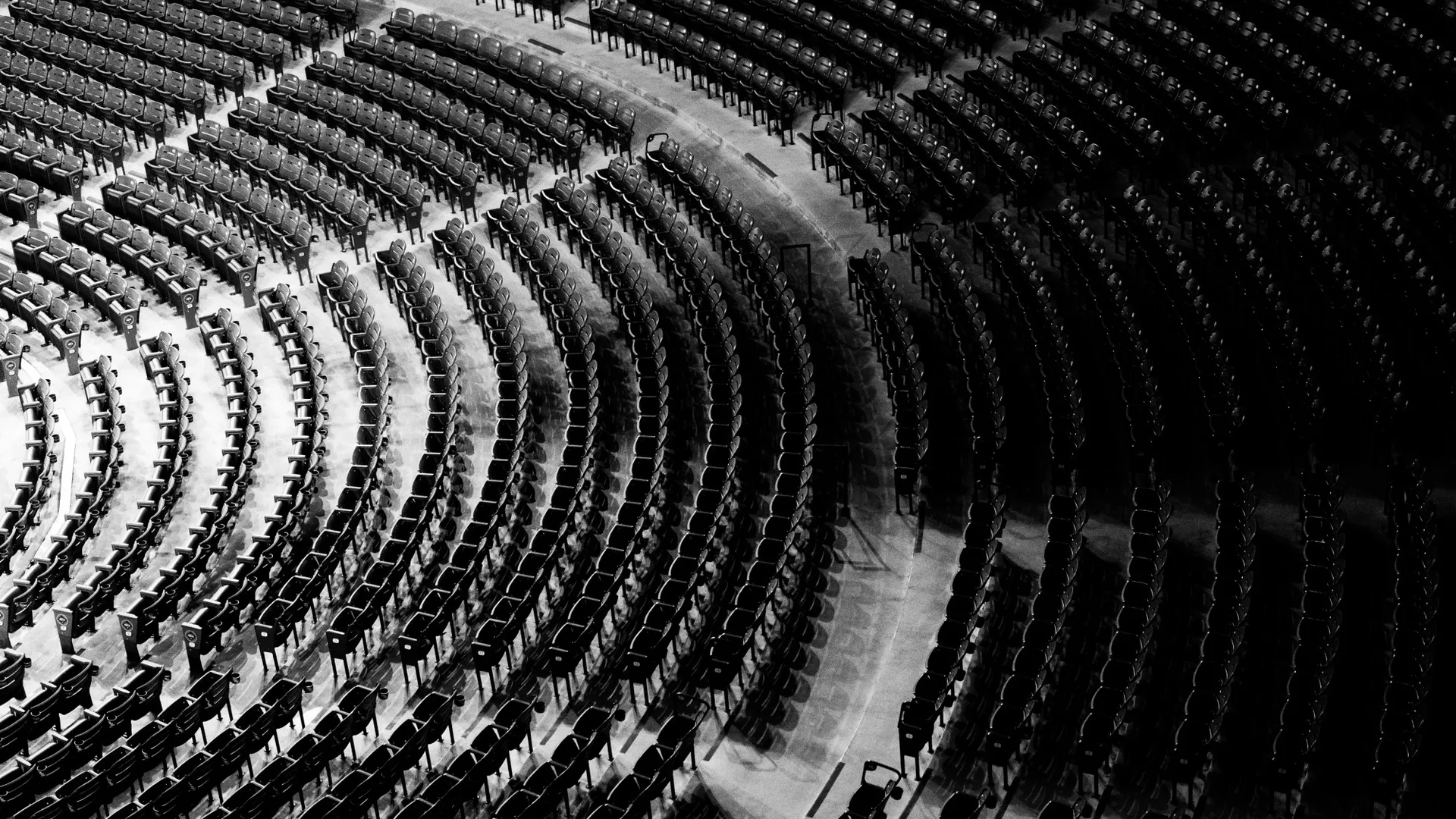
From Meghan Trainor and Zayn to the Pussycat Dolls, artists are canceling their concert tours because of unsold tickets. This so-called blue dot fever — taking its name from the blue dots that represent available seats in a performance venue’s seating chart — reflects a lack of affordability and the reduced power of nostalgia.
Why are seats not selling?
There are “signs that consumer tolerance for high prices is breaking and a correction is taking place,” said The Times. Since the Covid-19 pandemic, the average ticket price “increased from $96.17 in 2019 to $106.07 in 2022, marking the first time it had crossed the $100 threshold,” said Pollstar. The price of concert tickets peaked in 2024 at $135.92. In 2025, the price “dropped 2.4% to $132.62, but it’s still more than either 2022 or 2023.”
Directly after the pandemic, there was “such pent-up demand that it was really easy to tour and everybody was making a lot of money,” said J.R. Lind, a senior writer at Pollstar, to The Times. Now, there’s a “little bit of coming back to earth.” With “inflation and rising fuel costs,” affordability is “going to start affecting concerts.”
The Week
Escape your echo chamber. Get the facts behind the news, plus analysis from multiple perspectives.
SUBSCRIBE & SAVE
Sign up for The Week's Free Newsletters
Join more than 350,000 subscribers and keep yourself informed with a selection of The Week’s most interesting, enlightening and entertaining stories - plus daily puzzles.
Join more than 350,000 subscribers and keep yourself informed with a selection of The Week’s most interesting, enlightening and entertaining stories - plus daily puzzles.
Latest Videos FromThe Week US
“Sky-high ticket prices” are happening because of “three key factors,” said Rolling Stone. “Supply and demand, as reflected in the controversial practice of dynamic pricing, rampant scalping, and one dominant company, Live Nation, controlling every source of revenue, including beer, food, parking and Ticketmaster service fees.”
In addition, touring costs have become high. The national average for regular gas is at $4.56 a gallon, with California at $6.17. Diesel fuel averages $7.49 a gallon in California, which is “critical for the trucks that move staging, lighting and equipment between cities,” said the San Francisco Chronicle. “Those costs can quickly change the math for tours that depend on long-haul logistics.”
Are there cultural implications?
Along with the ticket prices, the cultural capital for many artists is dwindling. Artists are “getting booked into rooms too big for where they sit today,” Nathan Green, the CEO and co-founder of New Level Radio, said to Newsweek. Older artists banking on nostalgia are struggling most: Zayn, formerly a member of boy band One Direction, and the Pussycat Dolls, a girl group that was big in the early aughts, both recently canceled their U.S. tours.
In 2024, the “British band Oasis sold out its first North American tour since 2008 within an hour,” and “Coldplay, Hilary Duff and My Chemical Romance are among artists who have seen huge demand for live concerts despite the height of their popularity being two decades ago,” said Newsweek. Still, banking on old glory no longer works for everyone.
“Blue dot fever” disproportionately affects smaller or older artists. “Mega-stars and must-see tours continue to sell, while some arena and stadium runs find that streaming popularity, nostalgia or social media buzz does not always translate into thousands of $100-plus seats,” said the San Francisco Chronicle.
The problem could be helped by downsizing. “If the business goes back to booking artists into rooms they can fill, even if it means smaller venues and more nights, the show looks like a show again,” said Green. “The empty seats are a sign to every fan that the hype was bigger than the act.”