Sign up to get Today’s Best Articles in your inbox
Join 350,000+ subscribers and keep yourself informed with a selection of
The Week’s most interesting, enlightening and entertaining stories - plus daily puzzles.
You are now subscribed
Your newsletter sign-up was successful
Want to add more newsletters?
An account already exists for this email address, please log in.
The 8 best TV shows of the 1960s
The standout shows of this decade take viewers from outer space to the Wild West
By the 1960s the television era was in full swing with the onset of full-color programming. But the medium’s prestige was still a distant second to cinema’s. That makes what these stellar series pulled off even more impressive given the budgetary and reputational constraints.
‘Bonanza’ (1959-1973)
The long-running NBC Western “Bonanza” was appointment-viewing on Sunday evenings and one of the top-rated shows of the era. It was also racially progressive for its time, with stars Dan Blocker, Michael Landon and Lorne Greene once refusing to appear in front of a segregated audience in Jackson, Mississippi, spurring the city’s mayor to lead a failed campaign to boycott the show.
Set outside of Carson City, Nevada, during the 1860s on a fictional ranch called Ponderosa, the show followed the adventures and tribulations of the Cartwright family. The show’s reputation for moving television forward on racial issues is partly credited to a season 5 episode in which Hoss helps a Black opera singer (William Marshall) who faces discrimination. A Western that “most often was about avoiding and resolving conflict,” it remains an important “part of our cultural history and our TV past,” said Henry Cabot Beck at True West. (Prime Video)
The Week
Escape your echo chamber. Get the facts behind the news, plus analysis from multiple perspectives.
Join more than 350,000 subscribers and keep yourself informed with a selection of The Week’s most interesting, enlightening and entertaining stories - plus daily puzzles.
Join more than 350,000 subscribers and keep yourself informed with a selection of The Week’s most interesting, enlightening and entertaining stories - plus daily puzzles.
Rod Serling’s pioneering science-fiction anthology series has been oft-imitated but never really equalled. The season 1 masterpiece “Time Enough At Last,” about a bookworm named Henry Bemis (Burgess Meredith) who survives a nuclear holocaust and doesn’t really mind the solitude or the opportunity for limitless reading, remains well-known. But many of the other 156 episodes are similarly brilliant and largely forgotten, like season 1’s “The After Hours,” about a woman (Anne Francis) shopping in a department store who slowly realizes that she is a mannequin. It remains the “gold standard in anthology television, the show that helped popularize science fiction, fantasy and the macabre in prime time,” said Variety. (Paramount+)
‘Doctor Who’ (1963-1989)
FULL Episodes of Classic Doctor Who on BritBox UK | Doctor Who - YouTube
Like “Star Trek,” the BBC’s science fiction marvel remains a massive cultural and entertainment behemoth, a testament to the staying power of the concept and the wisdom of those tasked with carrying forward the original vision. “Doctor Who” revolves around the titular character, a “time lord” who travels around time and space trying to prevent mayhem and injustice.
The first Doctor Who was played by William Hartnell, and countless actors have succeeded him, most recently Ncuti Gatwa. Produced on a shoestring budget with effects that were laughable even at the time, the original BBC series nevertheless ran for an astonishing 26 seasons before an ongoing revival began in 2005. A show that “hoovered up every idea going around at the time and repackaged it for family viewing,” it remains a “major influence on current genre fiction and the public’s perception of it,” said Brian M. Milton at the British Fantasy Society. (BritBox)
‘The Fugitive’ (1963-1967)
One of several beloved ’60s-era television shows to later become a blockbuster film, “The Fugitive” starred David Janssen as Dr. Richard Kimble, who takes advantage of a train derailment and goes on the lam after he is wrongfully convicted and sentenced to death for his wife’s murder. As Lt. Philip Gerard (Barry Morse) tries to capture him, Richard searches the country for the real killer, a one-armed man (Bill Raisch) he saw fleeing from his house the night of the killing.
Sign up to get Today’s Best Articles in your inbox
A free daily email with the day’s biggest news and analysis – and the best features from TheWeek.com
Over the course of its run, Richard drifts from place to place, securing low-wage work as he searches for the real killer and tries to evade both the authorities and being recognized. Featuring a “great story, main cast, fun guests and interesting settings,” it “really has a life that most other TV shows at its time didn’t have,” said Samuel Williamson at Collider. (Youtube)
‘Gilligan’s Island’ (1964-1967)
Gilligan's Island | Best Of Gilligan Compilation - YouTube
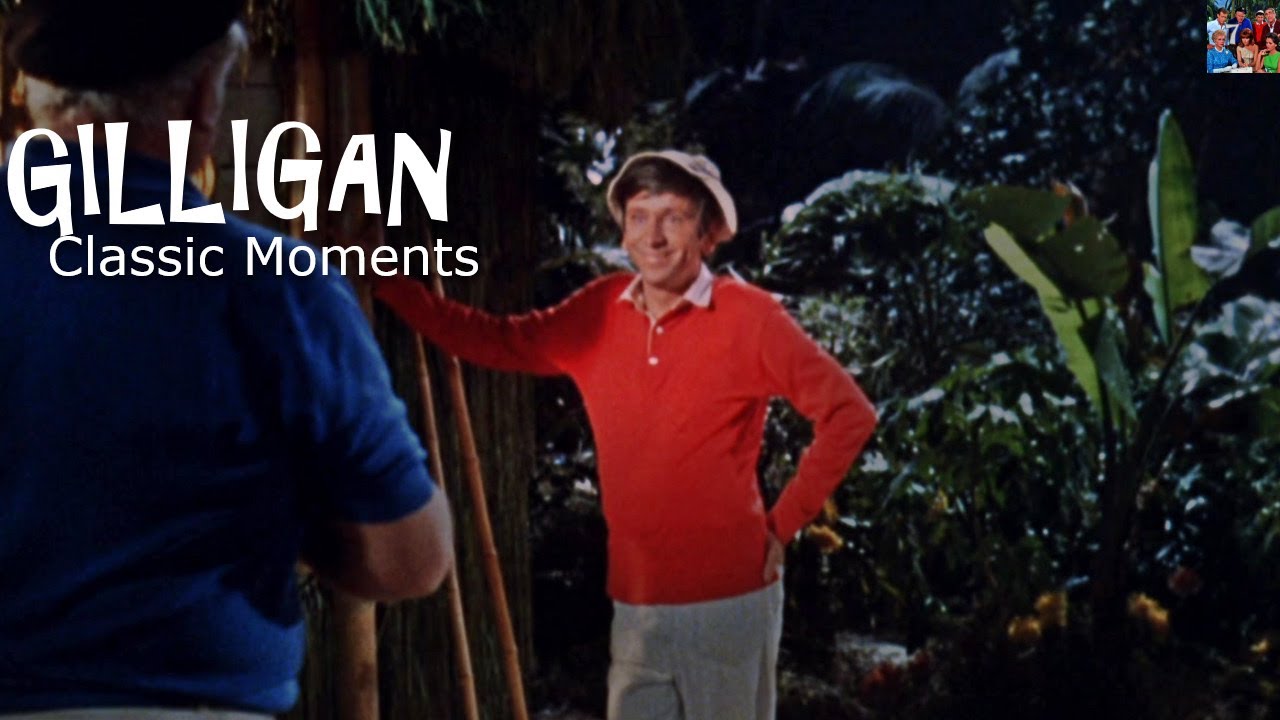
“Gilligan’s Island” aired for just three seasons, perhaps due to the limitations of its structure. When the SS Minnow is shipwrecked on an uncharted Pacific island, its seven crew and passengers try to survive long enough to be rescued, only to be foiled every single time.
The characters were mostly two-dimensional archetypes, from the volatile Skipper (Alan Hale Jr.) to the erudite Professor (Russell Johnson) and the glamorous actor Ginger (Tina Louise). But the heart of the series was the ship’s good-hearted but inept first mate, Gilligan (Bob Denver), who almost invariably ruined the gang’s plan to escape their island purgatory, for example when he fired a flare into a supply hut and destroyed all the remaining flares. The “goofy comedy” succeeded in large part through its escapist ability to “take people’s minds off civil rights marches and war overseas,” said Eric Deggans at NPR. (Tubi)
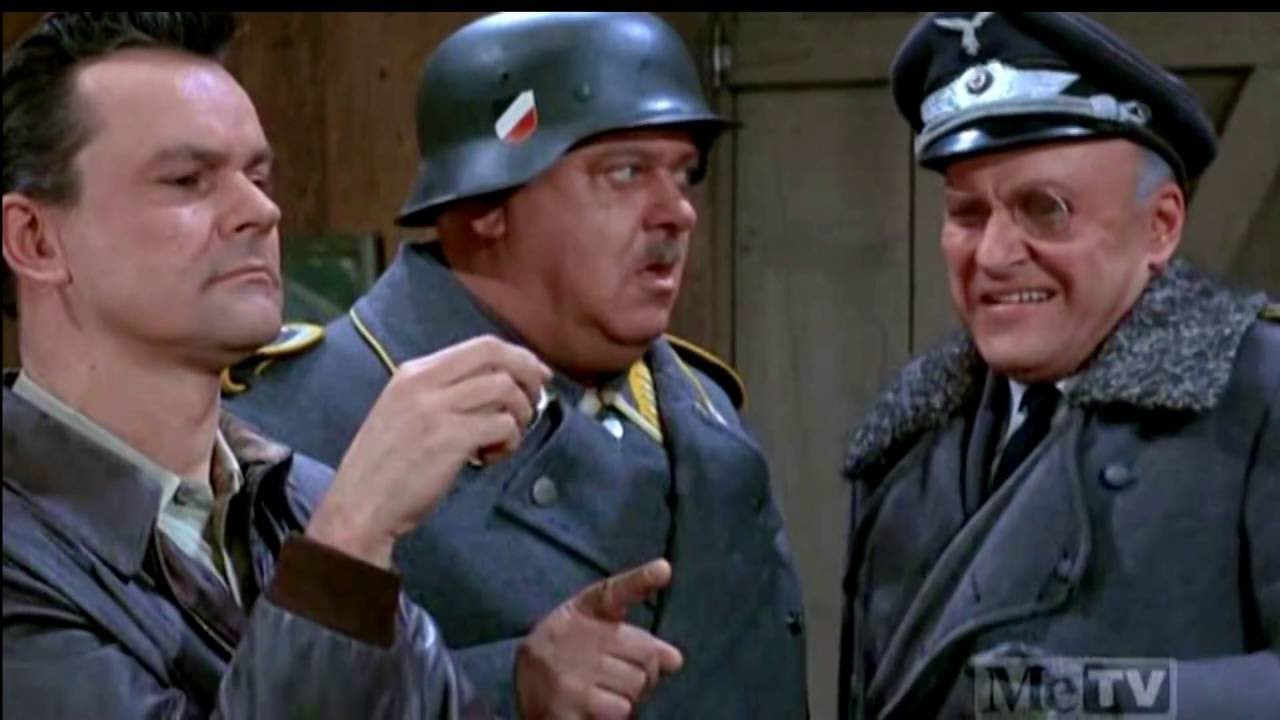
A situation comedy about a Nazi-run POW camp might have seemed like a tough sell, especially at a time when most World War II veterans were very much alive and at the apex of their cultural power. CBS’s sitcom depicted the Nazi camp administrators, including Colonel Klink (Werner Klemperer) and Sgt. Schultz (John Banner) as bumbling fools, constantly getting outwitted by the American prisoners led by Col. Hogan (Bob Crane).
Hogan and his men secretly functioned as an espionage and sabotage operation, successfully manipulating the inept Germans over the course of 168 episodes. While the show received criticism for eliding the Holocaust, the series “may have performed a service by conveying the inherent ridiculousness of the prototypical Nazi villain,” said Benjamin Ivry at Forward. (Prime Video)
‘Star Trek’ (1966-1969)
Creator Gene Roddenberry’s space western was set in an imagined future utopia and followed the exploits of a (very well-armed) research vessel called the USS Enterprise, helmed by Captain James T. Kirk (William Shatner), whose character was proof that world peace did not eliminate womanizing. Captain Kirk’s right-hand man was the half-human, half-Vulcan First Officer Spock, and together they carried out the task of exploring new worlds so successfully that the franchise has spawned 14 feature films and more than a dozen television spin-offs. The original series was also quite subversive, deploying the “finest allegorical tropes of science fiction to send progressive sociopolitical messages under the radar of conservative TV networks in a time when McCarthyism was still fresh in people’s minds,” said James Hunt at Den of Geek. (Paramount+)
‘That Girl’ (1966-1971)
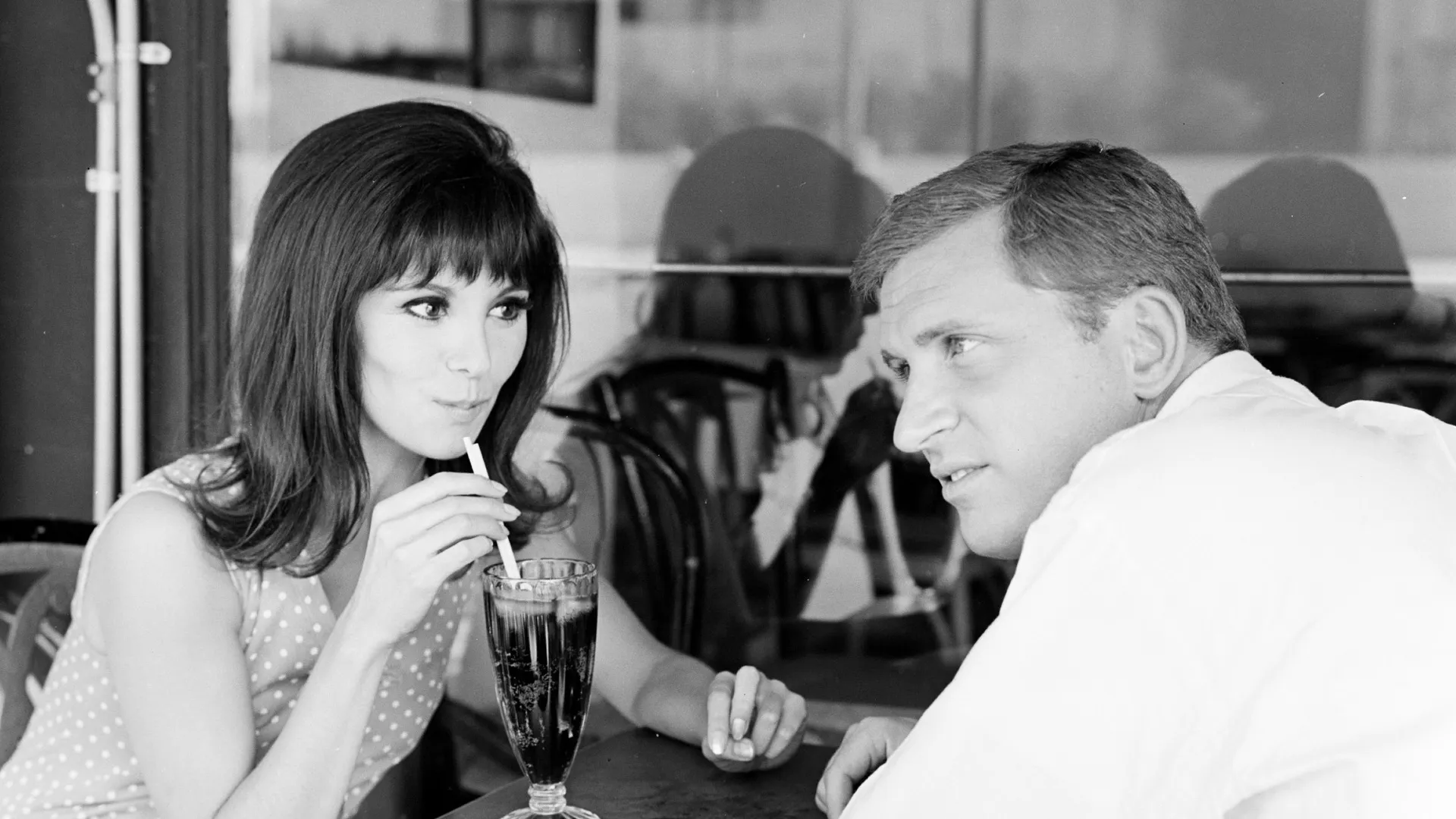
In the 1960s, most of the women on television were housewives or two-dimensional plot devices. ABC’s ebullient sitcom “That Girl” was truly revolutionary for its time in the way that it legitimized the career ambitions of aspiring actor Ann Marie (Marlo Thomas).
Ann moves from her suburban hometown of Brewster to New York City to pursue her dreams, and while she has a long-running boyfriend named Donald (Ted Bessell), her character remained unmarried throughout the show’s run. But “That Girl” was much more than just dry social commentary. The series was tremendously fun and insightful and has aged better than many of its contemporaries. Featuring a “different kind of everywoman,” the show “broke ground by depicting a single woman with bigger dreams for her career than her love life,” said Rachael Allen at Slate. (Prime Video)
David Faris is a professor of political science at Roosevelt University and the author of "It's Time to Fight Dirty: How Democrats Can Build a Lasting Majority in American Politics." He's a frequent contributor to Newsweek and Slate, and his work has appeared in The Washington Post, The New Republic and The Nation, among others.