Russia wants to seize land corridors to Crimea and Moldova, Russian general says

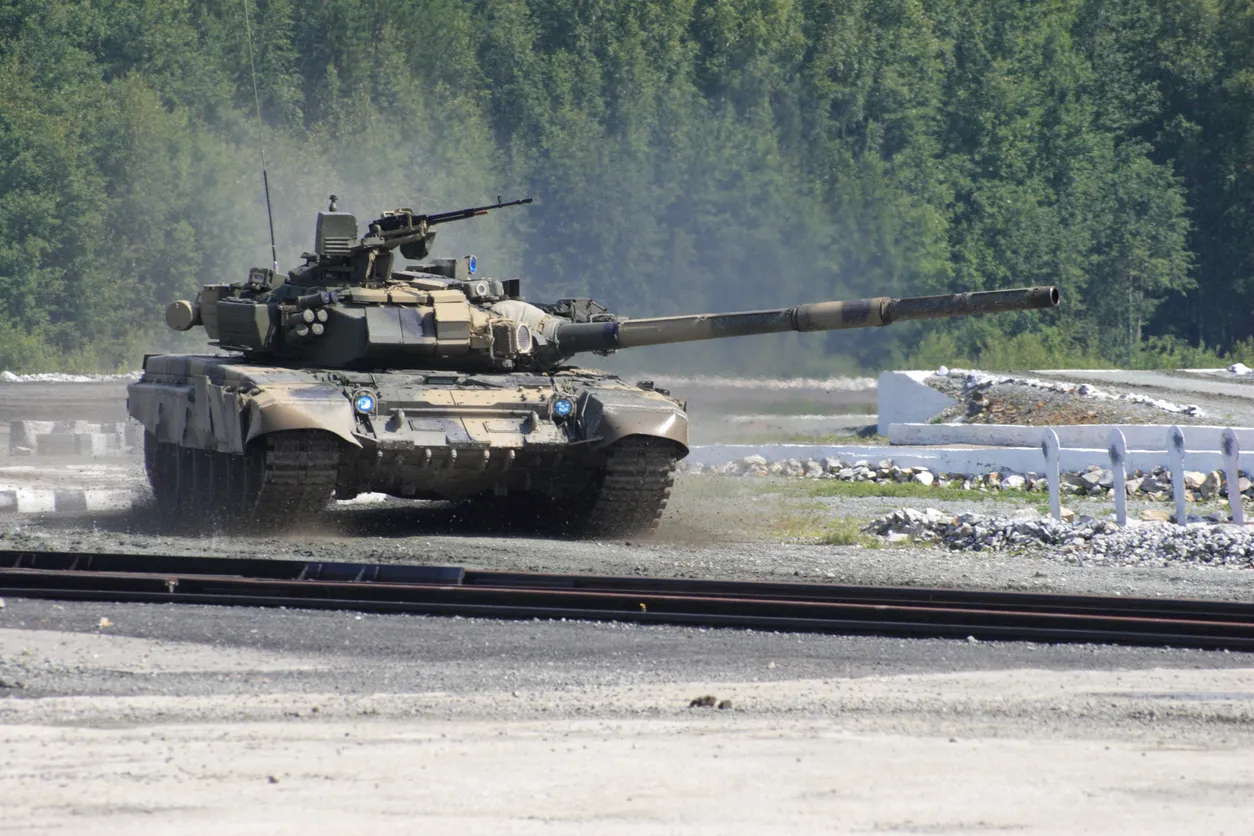
Russian Maj. Gen. Rustam Minnekayev said Friday that Russia plans to take "full control of Donbas and southern Ukraine," CBS News reported.
These gains, he said, would open "a land corridor to Crimea" — connecting the separatist-controlled areas in eastern Ukraine with the peninsula Russia annexed in 2014 — and "give the Russian army access to Transnistria." Transnistria is a narrow strip of land with around 400,000 inhabitants that is internationally recognized as part of Moldova but is de facto self-governing. Russia has had troops stationed in Moldova since 1992.
The Week
Escape your echo chamber. Get the facts behind the news, plus analysis from multiple perspectives.

Sign up for The Week's Free Newsletters
Join more than 350,000 subscribers and keep yourself informed with a selection of The Week’s most interesting, enlightening and entertaining stories - plus daily puzzles.
Join more than 350,000 subscribers and keep yourself informed with a selection of The Week’s most interesting, enlightening and entertaining stories - plus daily puzzles.

-
-
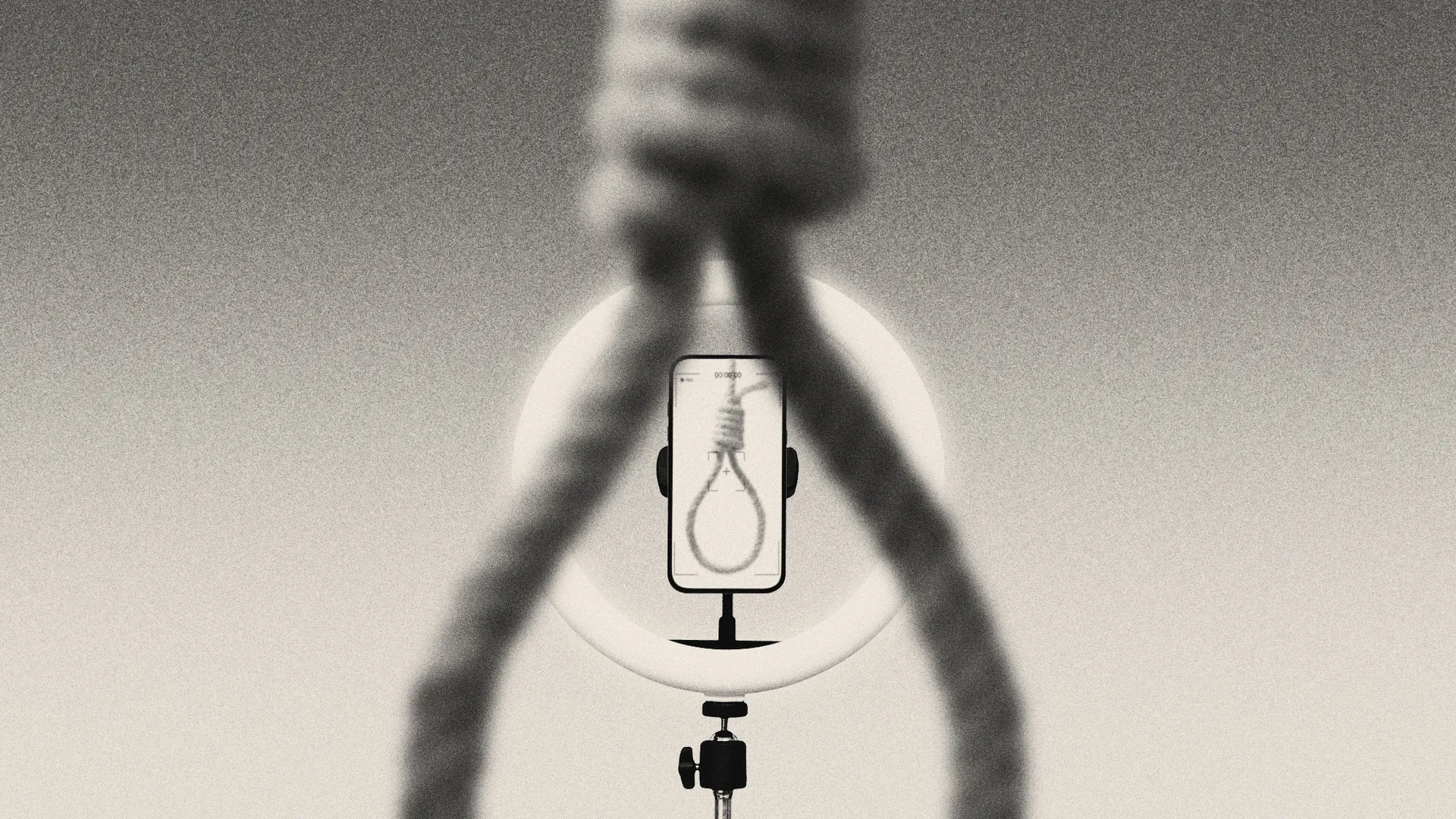 talking pointsLivestreaming an execution: cruelty or added deterrent?
 -
 QUOTE OF THE DAY‘You don’t get to take a man from his family. You don’t get to take his very life, his whole future from him, and just walk away from it. Especially when that man is Tupac Shakur.’
 -
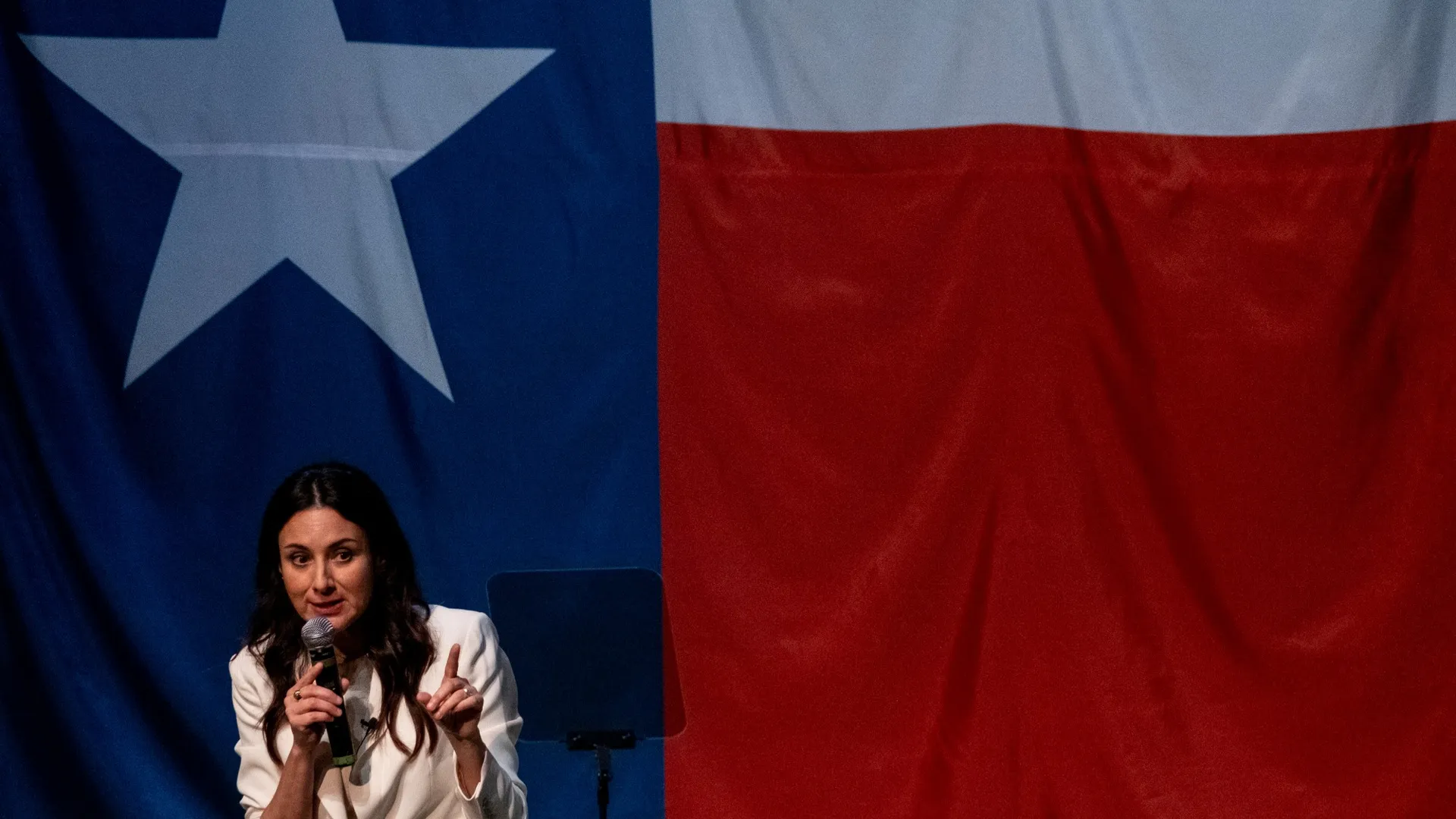 today’s big questionCan a Democrat win the Texas governor’s race?
-
-
-
talking pointsLivestreaming an execution: cruelty or added deterrent?
-
QUOTE OF THE DAY‘You don’t get to take a man from his family. You don’t get to take his very life, his whole future from him, and just walk away from it. Especially when that man is Tupac Shakur.’
-
today’s big questionCan a Democrat win the Texas governor’s race?
-