Report: Amazon considering opening as many as 3,000 cashierless Go stores by 2021

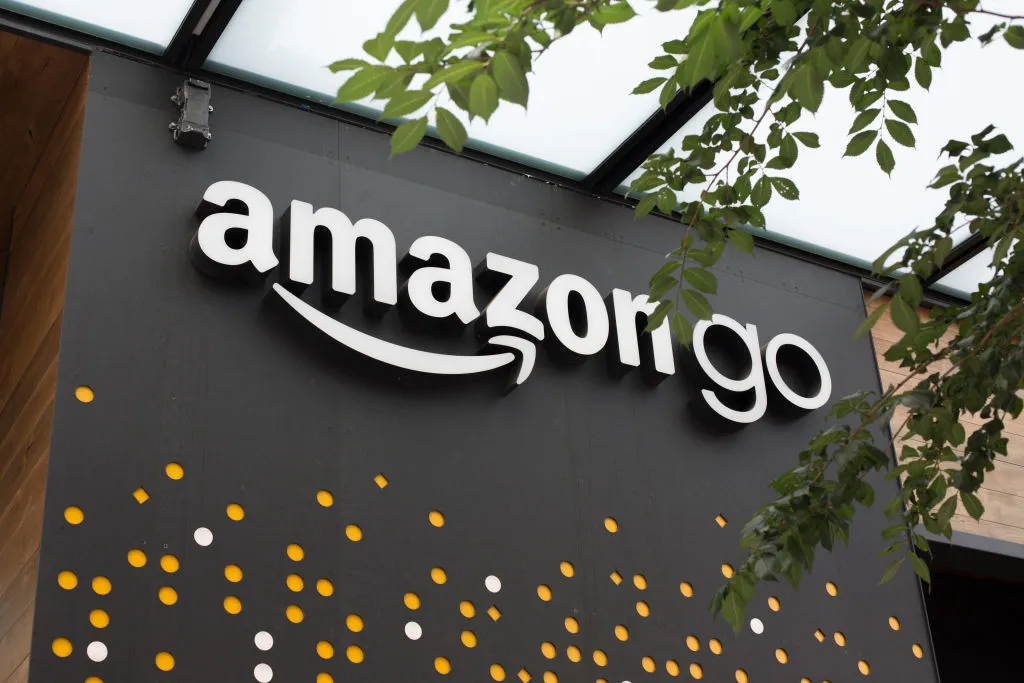
As part of Amazon's continued quest to be involved in every aspect of your life, the company is considering opening up to 3,000 new Amazon Go stores by 2021, Bloomberg reports.
There are no cashiers at Amazon Go stores, which sell snacks, drinks, sandwiches, and salads. Shoppers gain access by scanning an app, and cameras and sensors can tell what items they take off the shelves. When they're done, customers just walk out and get charged automatically. The first Amazon Go opened in Seattle in 2016; there are now two other stores in Seattle, as well as one in Chicago.
The Week
Escape your echo chamber. Get the facts behind the news, plus analysis from multiple perspectives.

Sign up for The Week's Free Newsletters
Join more than 350,000 subscribers and keep yourself informed with a selection of The Week’s most interesting, enlightening and entertaining stories - plus daily puzzles.
Join more than 350,000 subscribers and keep yourself informed with a selection of The Week’s most interesting, enlightening and entertaining stories - plus daily puzzles.



