
“To government ministers and police chiefs, it is the biggest investigative breakthrough since DNA screening,” said Mario Ledwith in The Times. “To privacy campaigners, it is ‘turning the country into an open prison’.”
Live facial recognition is already used by eight police forces, who used the technology to scan tens of thousands of faces a day with “ruthless efficiency”, looking for matches to a police hit list of offenders and suspects. Now the Government is looking into expanding its scope.
‘Orwellian’
The Week
Escape your echo chamber. Get the facts behind the news, plus analysis from multiple perspectives.

Sign up for The Week's Free Newsletters
Join more than 350,000 subscribers and keep yourself informed with a selection of The Week’s most interesting, enlightening and entertaining stories - plus daily puzzles.
Join more than 350,000 subscribers and keep yourself informed with a selection of The Week’s most interesting, enlightening and entertaining stories - plus daily puzzles.
‘Nothing online is ever secure’
-
-
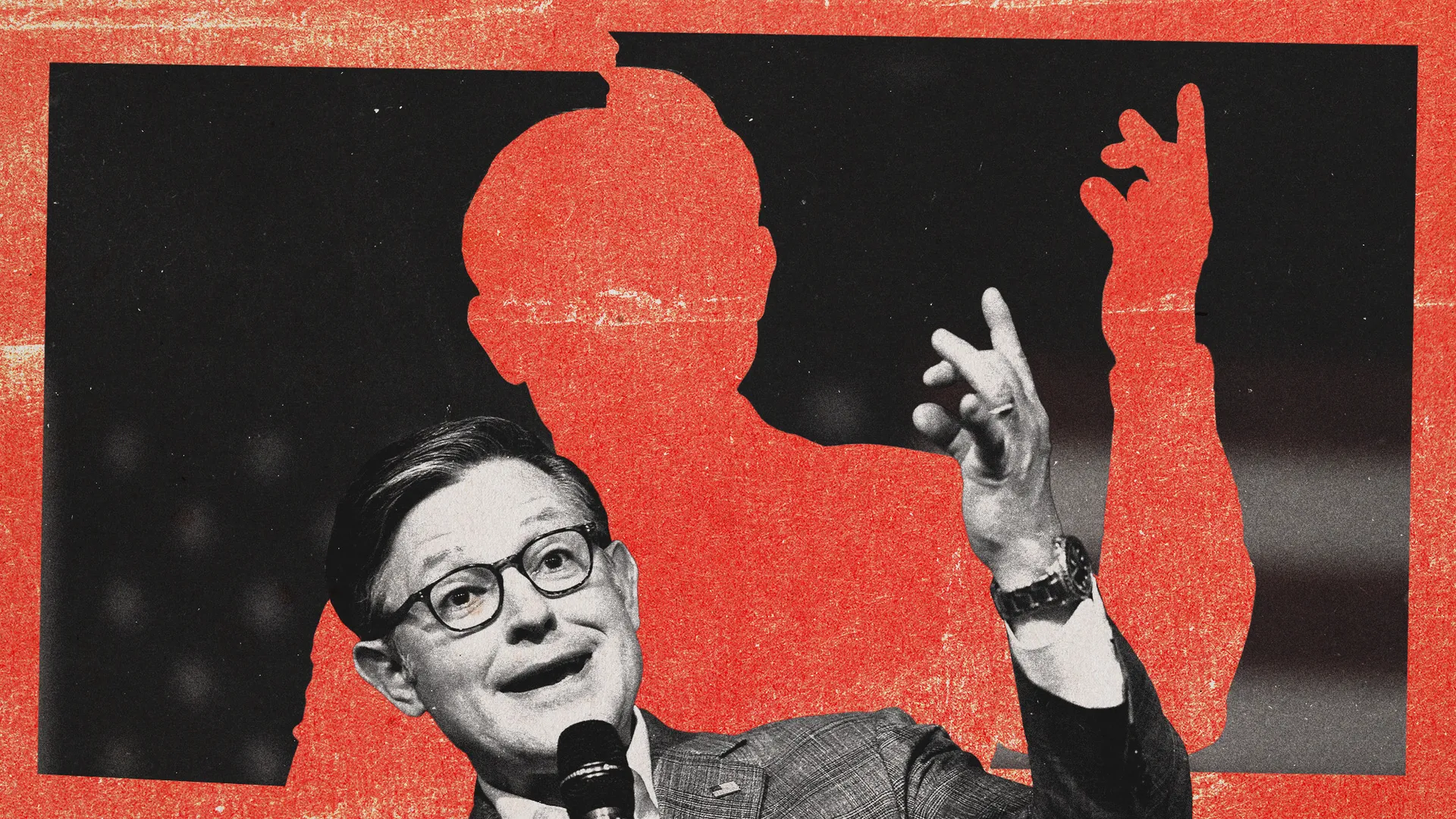 talking pointsA leadership power vacuum may await Republicans
 -
 QUOTE OF THE DAY‘What kind of culture looks at sexual violence and sees an opportunity for profit? This is rape culture. And it should disturb every single one of us.’
 -
 today’s big questionHow long can US consumers continue their spending spree?
-
-
-
talking pointsA leadership power vacuum may await Republicans
-
QUOTE OF THE DAY‘What kind of culture looks at sexual violence and sees an opportunity for profit? This is rape culture. And it should disturb every single one of us.’
-
today’s big questionHow long can US consumers continue their spending spree?
-