US and Iran announce interim peace deal
“Ships of the World, start your engines,” Trump said on social media


What happened
President Donald Trump and Iran said Sunday they had reached a preliminary deal to end hostilities and reopen the Strait of Hormuz. Neither side released the text of their memorandum of understanding, but it was slated to go into effect on Friday after a signing ceremony in Geneva and last for 60 days while they negotiate Iran’s nuclear status and the lifting of U.S. sanctions.
Who said what
The Week
Escape your echo chamber. Get the facts behind the news, plus analysis from multiple perspectives.

Sign up for The Week's Free Newsletters
Join more than 350,000 subscribers and keep yourself informed with a selection of The Week’s most interesting, enlightening and entertaining stories - plus daily puzzles.
Join more than 350,000 subscribers and keep yourself informed with a selection of The Week’s most interesting, enlightening and entertaining stories - plus daily puzzles.
What next?

-
-
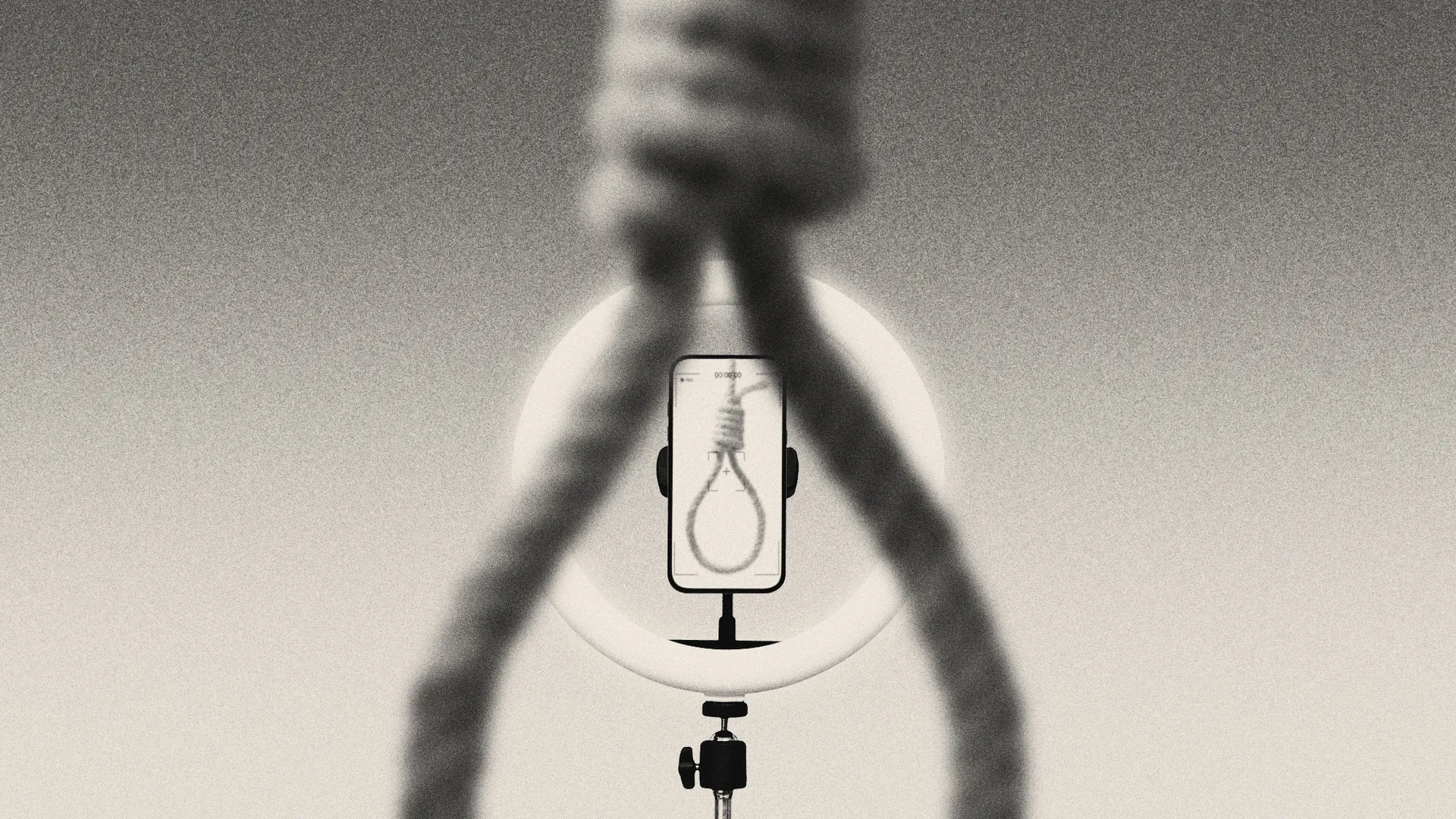 talking pointsLivestreaming an execution: cruelty or added deterrent?
 -
 QUOTE OF THE DAY‘You don’t get to take a man from his family. You don’t get to take his very life, his whole future from him, and just walk away from it. Especially when that man is Tupac Shakur.’
 -
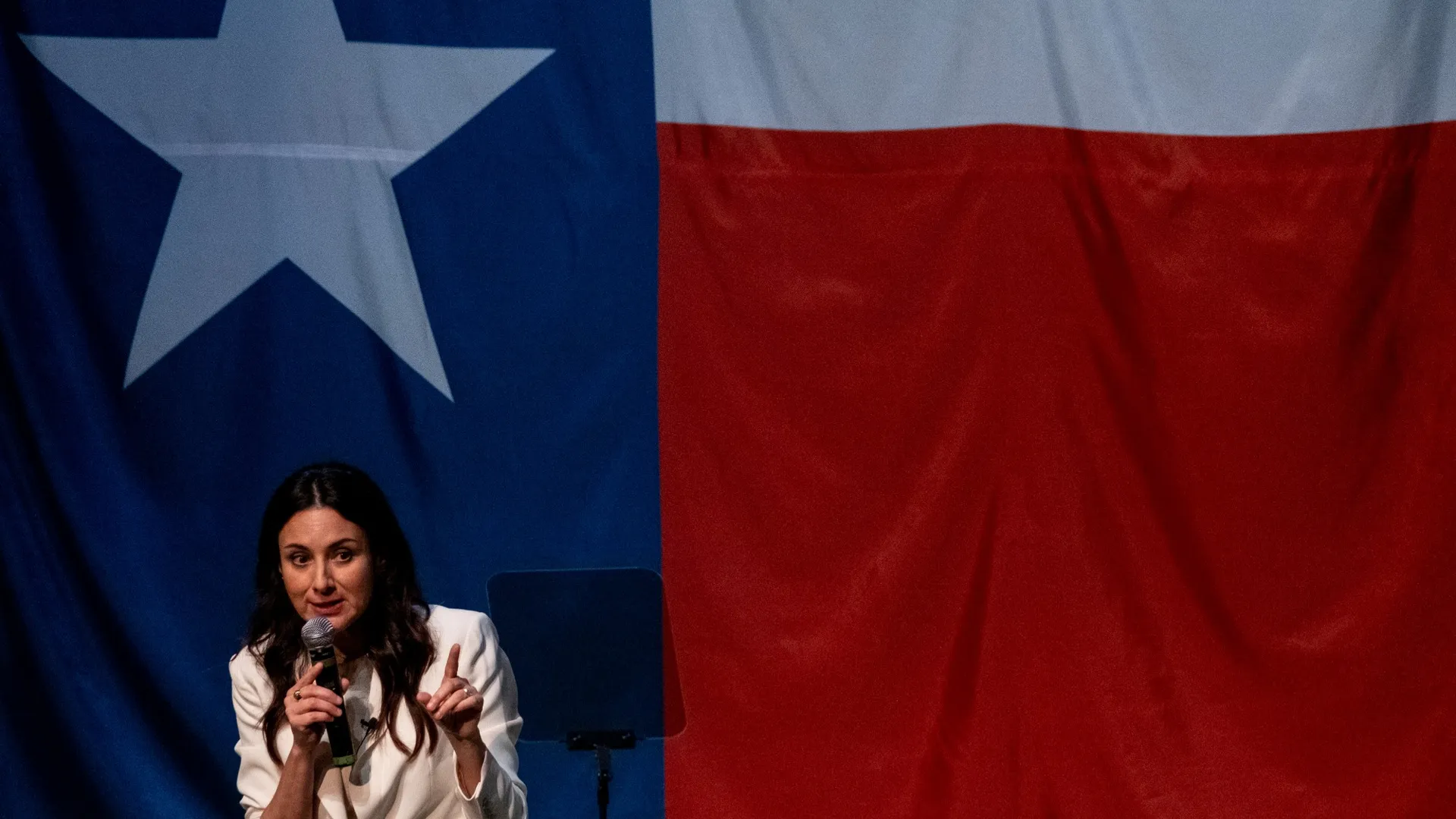 today’s big questionCan a Democrat win the Texas governor’s race?
-
-
-
talking pointsLivestreaming an execution: cruelty or added deterrent?
-
QUOTE OF THE DAY‘You don’t get to take a man from his family. You don’t get to take his very life, his whole future from him, and just walk away from it. Especially when that man is Tupac Shakur.’
-
today’s big questionCan a Democrat win the Texas governor’s race?
-