FBI sold crime syndicates on an encrypted phone app in wild sting operation

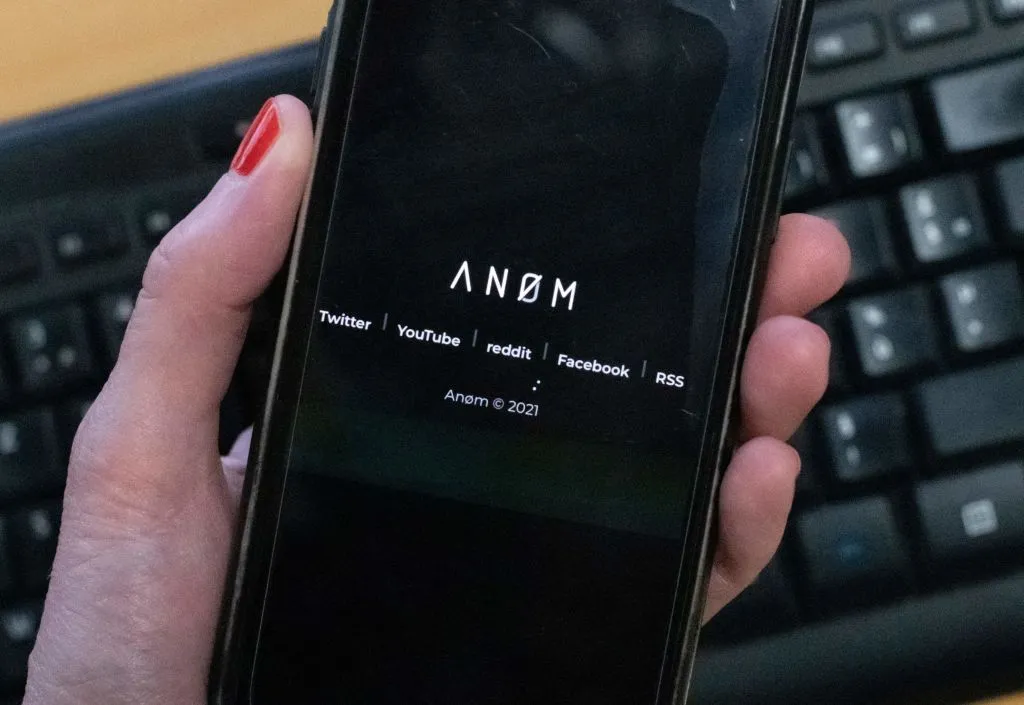
An international law enforcement coalition announced Tuesday that it was able to arrest more than 800 alleged members of organized crime syndicates in more than a dozen countries, amounting to what Europol Deputy Executive Director Jean-Philippe Lecouffe called "one of the largest and most sophisticated … operations to date in the fight against encrypted criminal activities." And it was all thanks to the popularity of an encrypted messaging app that was secretly controlled by the FBI.
Aided by the Australian police, a paid collaborator who had previously sold members of the criminal underworld on other encrypted devices, and — unwittingly — one of Australia's most-wanted crime bosses, the FBI began discreetly marketing its own platform, Anom, to the syndicates in 2018, The Washington Post reports. It grew in popularity, and over the course of the next three years, incriminating messages were unknowingly fed right into the hands of law enforcement agents.
The Week
Escape your echo chamber. Get the facts behind the news, plus analysis from multiple perspectives.

Sign up for The Week's Free Newsletters
Join more than 350,000 subscribers and keep yourself informed with a selection of The Week’s most interesting, enlightening and entertaining stories - plus daily puzzles.
Join more than 350,000 subscribers and keep yourself informed with a selection of The Week’s most interesting, enlightening and entertaining stories - plus daily puzzles.


