
In 2024, the US Centers for Disease Control and Prevention published “what could well be the most important table in modern public health”, said Tom Whipple in The Times. For decades, American waistlines had been expanding “inexorably”. But the 2024 assessment of “how fat the country was” revealed a change: the “number of fat people was just a little bit lower than it had been”. No one was in any doubt as to why. In 2017, a Danish company, Novo Nordisk, had released a new diabetes medication called Ozempic, which listed “weight loss” among its side effects.
As Aimee Donnellan makes clear in her “meticulously reported account” of the drug’s emergence, its inventors “always realised that the ‘side effect’ would really be the main effect”. And so it proved. Ozempic and other “GLP-1 agonists” – or “fat drugs” – are starting to bring down obesity in many places. As it becomes possible to take them as pills rather than injections, and (perhaps more significantly still) when they come “off patent”, their impact could be even more dramatic.
The Week
Escape your echo chamber. Get the facts behind the news, plus analysis from multiple perspectives.

Sign up for The Week's Free Newsletters
Join more than 350,000 subscribers and keep yourself informed with a selection of The Week’s most interesting, enlightening and entertaining stories - plus daily puzzles.
Join more than 350,000 subscribers and keep yourself informed with a selection of The Week’s most interesting, enlightening and entertaining stories - plus daily puzzles.
-
-
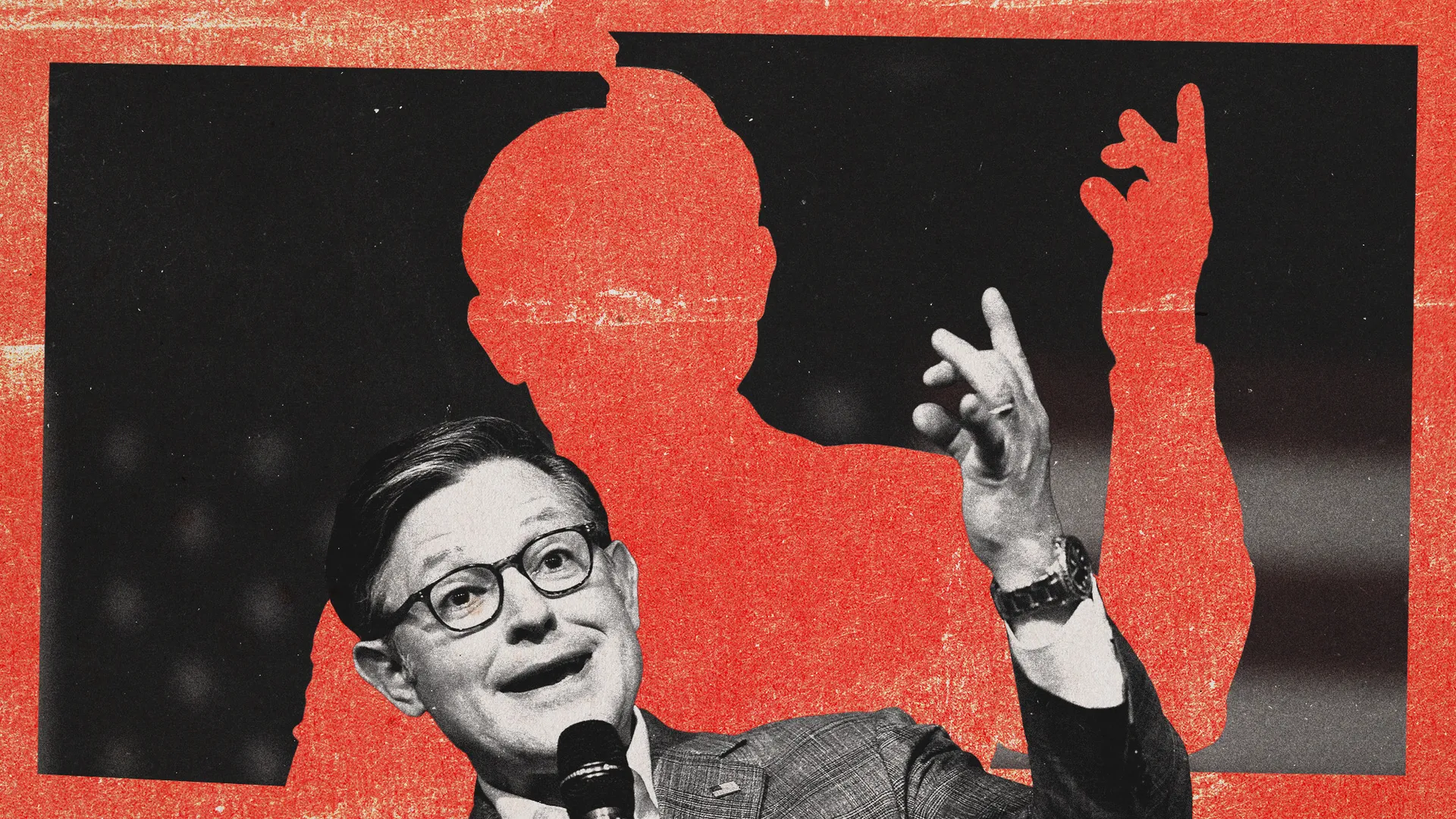 talking pointsA leadership power vacuum may await Republicans
 -
 QUOTE OF THE DAY‘What kind of culture looks at sexual violence and sees an opportunity for profit? This is rape culture. And it should disturb every single one of us.’
 -
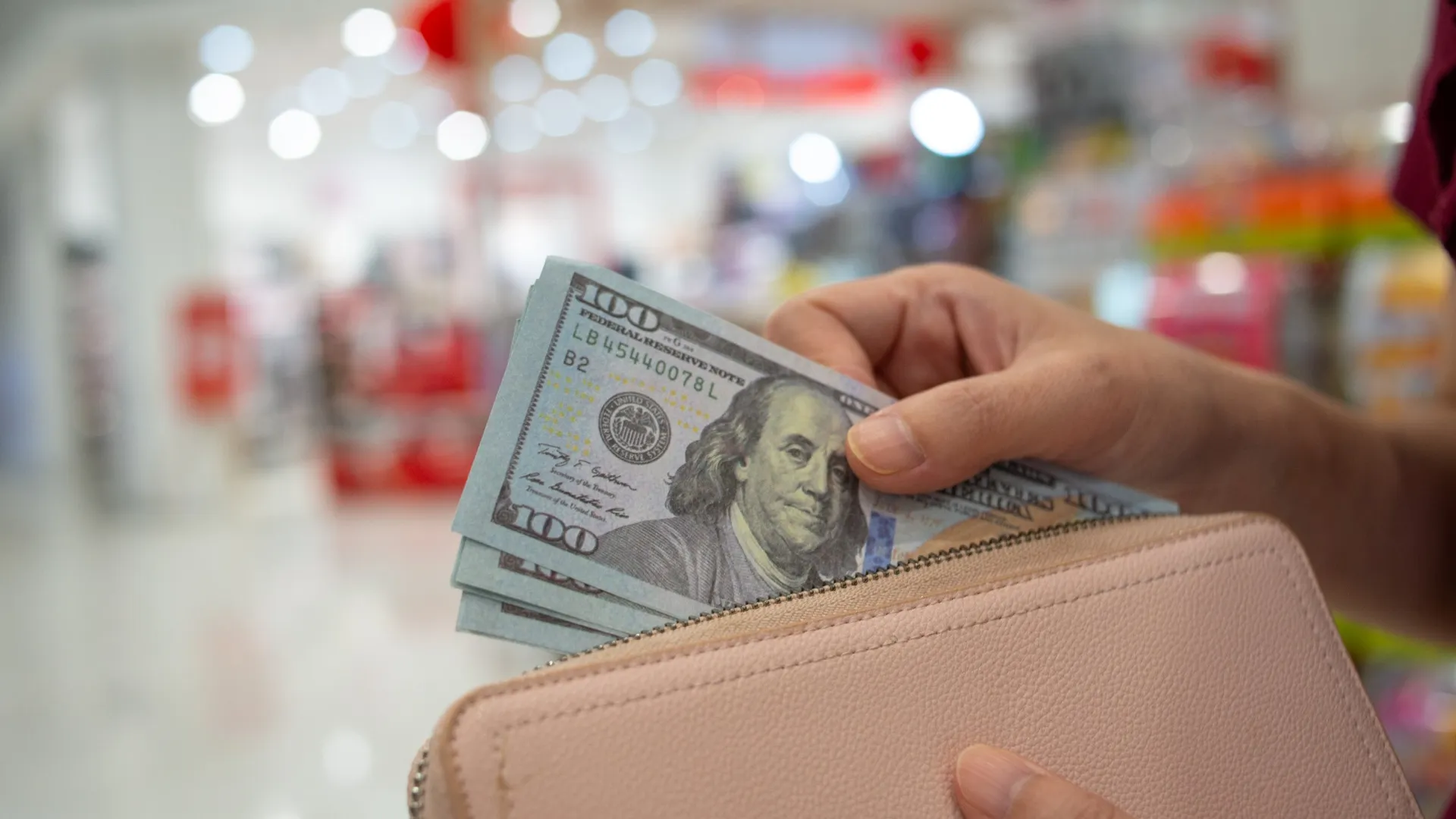 today’s big questionHow long can US consumers continue their spending spree?
-
-
-
talking pointsA leadership power vacuum may await Republicans
-
QUOTE OF THE DAY‘What kind of culture looks at sexual violence and sees an opportunity for profit? This is rape culture. And it should disturb every single one of us.’
-
today’s big questionHow long can US consumers continue their spending spree?
-