Observers have long feared Russia’s war against Ukraine will expand to the rest of Europe. The concerns are rising. Moscow has reportedly backed a rise in so-called hybrid sabotage attacks on European targets, as CIA Director John Ratcliffe traveled to Russia last week to warn the Kremlin against attacks on NATO.
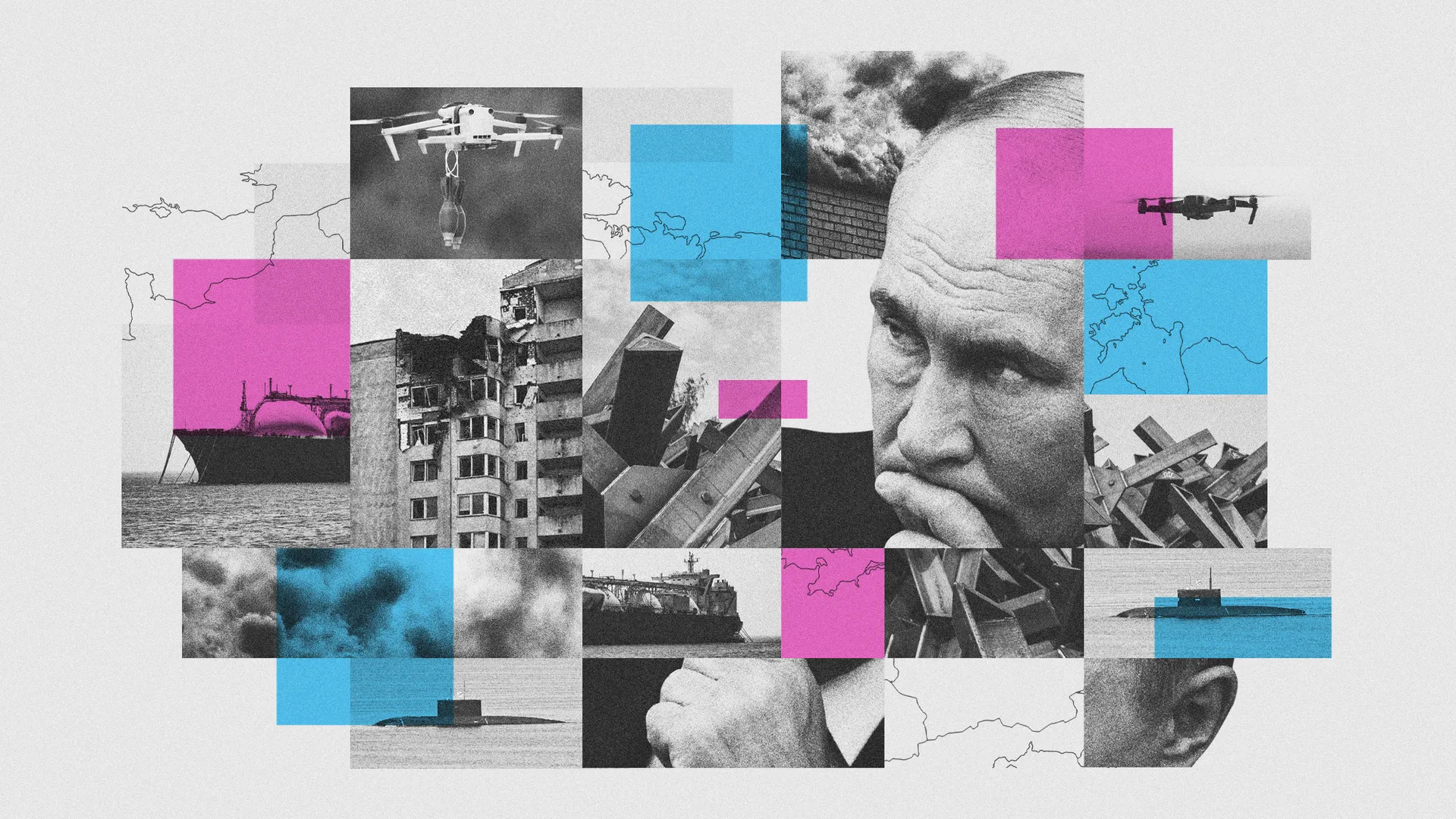
Authorities have linked Russia to a growing number of “drone incursions, acts of sabotage, cyberattacks” and other hostile “gray zone” acts in Europe, said The Wall Street Journal. The incidents include several discoveries of explosive drones at or near a German airport — a sign that Russian President Vladimir Putin may have a “rising appetite for risk” as he seeks to sow divisions among Ukraine’s continental allies.
Hybrid attacks fall short of provoking open conflict. But the frequency has increased to the point that Russia’s hybrid war in Europe is “starting to look a lot less hybrid,” said Politico.
The Week
Escape your echo chamber. Get the facts behind the news, plus analysis from multiple perspectives.
SUBSCRIBE & SAVE
Sign up for The Week's Free Newsletters
Join more than 350,000 subscribers and keep yourself informed with a selection of The Week’s most interesting, enlightening and entertaining stories - plus daily puzzles.
Join more than 350,000 subscribers and keep yourself informed with a selection of The Week’s most interesting, enlightening and entertaining stories - plus daily puzzles.
Latest Videos FromThe Week US
The attacks “require a more concerted response” than Europe has mounted so far, said Bloomberg. It is easy to treat hybrid attacks as a “problem to be managed” because they are “small-scale, deniable and rarely lethal.” Ukraine’s European allies must “demonstrate that attacks come with costs,” with more layered defenses against drone incursions and aggressive action against Russia’s “shadow fleet” of tankers that transport black-market oil. Russia does not want to “take on NATO outright,” but it is “testing how much the alliance will tolerate.”
Putin now has a choice. The Russian leader can keep the hybrid attacks “below an open assault” that would trigger a NATO response, said David Ignatius at The Washington Post. Or he can “take a harder punch” to see if President Donald Trump will keep the U.S.’s defense commitment to Europe or have the alliance “exposed as a paper tiger.” The war “risks leaping any remaining guardrails” as Ukraine and Russia continue to trade blows. “Where’s the de-escalation button?”
What next?
Analysts suspect Putin has given up hope that Trump “might be able to coerce Ukraine” into surrender, said CBC News. Russia’s leader may turn instead to “expanding the conflict” to conclude the nearly five-year-old war.
Some military think tanks have warned Russia could stage “some kind of provocation in Eastern Europe” to divide the NATO alliance and its support of Ukraine, said CBC News. That could include an attempt to “seize a slice of Russian-speaking territory in a neighboring country” to see how NATO might respond. The latter concern was reportedly behind Ratcliffe’s trip to Moscow. The administration decided to “read the Russians the riot act,” said Glen Howard, of the Saratoga Foundation, to the outlet.
Other European officials are skeptical that Putin can expand the war. Russia is “bogged down” in Ukraine and “doesn’t have capabilities to challenge NATO” in a conventional conflict, said Latvian Foreign Minister Baiba Braze on “PBS NewsHour.” But attacks below the level of outright war will likely continue. “We all need to be ready.”