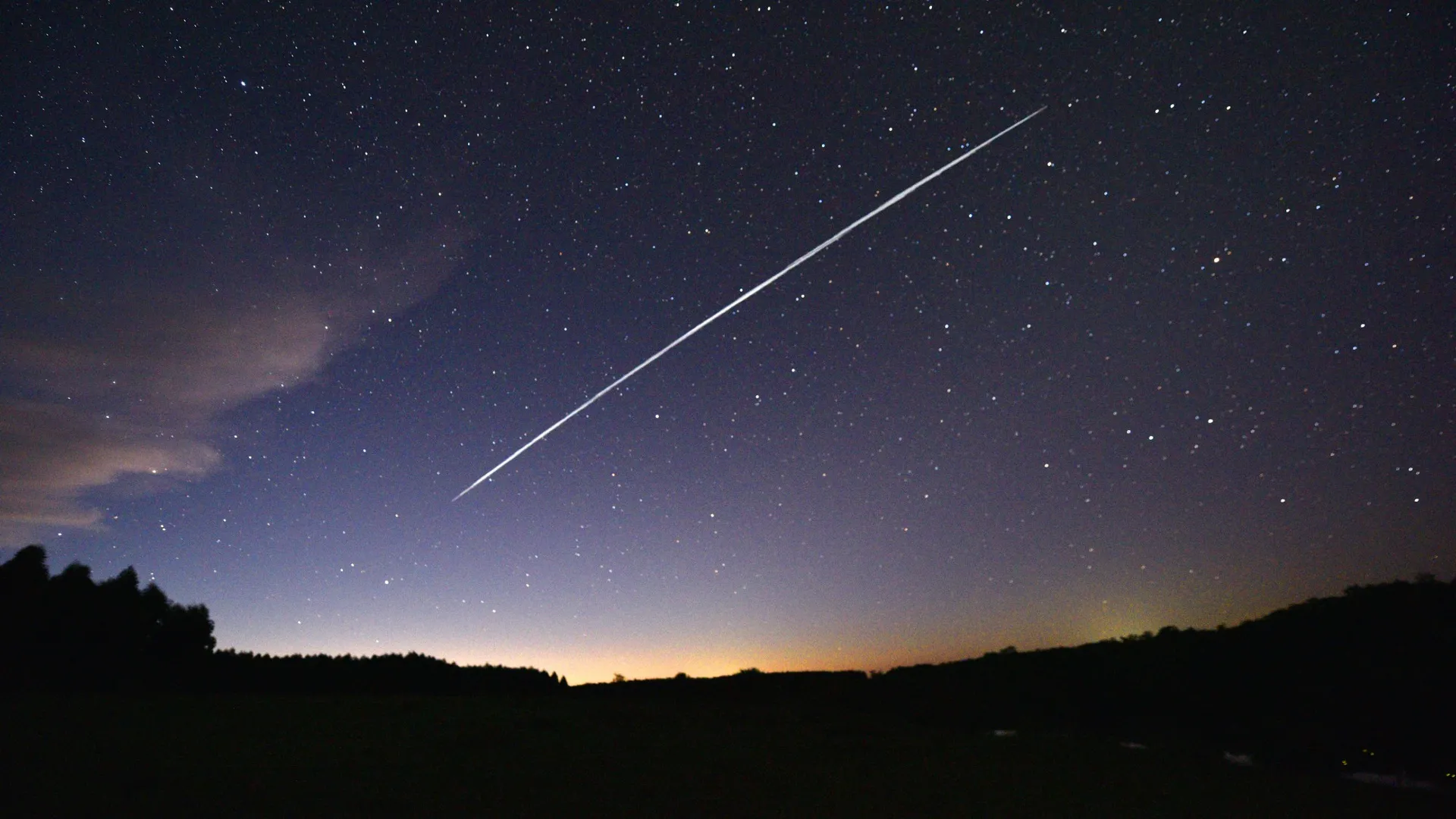
The 7,000 or so satellites orbiting Earth as part of Elon Musk's Starlink network make up nearly two-thirds of the entire network of active satellites. And with thousands more planned for launch in the coming years, the rapid expansion of Musk's space internet service shows no sign of slowing down.
It has already spread widely across the globe, reaching remote areas that fibre broadband cannot, and has afforded Musk "unprecedented geopolitical leverage for a private citizen", said The Atlantic.
What is Starlink?
The aim of Starlink when it launched in 2019 was to "connect the globe with reliable and affordable high-speed broadband services". Its progression towards that goal has been rapid.
The Week
Escape your echo chamber. Get the facts behind the news, plus analysis from multiple perspectives.
SUBSCRIBE & SAVE
Sign up for The Week's Free Newsletters
Join more than 350,000 subscribers and keep yourself informed with a selection of The Week’s most interesting, enlightening and entertaining stories - plus daily puzzles.
Join more than 350,000 subscribers and keep yourself informed with a selection of The Week’s most interesting, enlightening and entertaining stories - plus daily puzzles.
Latest Videos FromThe Week
While other satellite internet companies exist, Musk has been able to scale Starlink at a remarkable rate, thanks to huge uptake in countries and areas where traditional internet has been patchy or non-existent. That includes non-civilian arenas: Ukrainian soldiers have been using it to communicate on the front lines in their war against Russia, while Starlink is also one of the US government's biggest contractors.
What's happened since Trump took office?
Musk was a very public backer of Donald Trump in his election campaign, and was subsequently appointed to head Trump's Department of Government Efficiency.
There have been numerous reports already of Musk using his access to the president to gain advantages for Starlink. Leading Democrat senators complained in March amid reports that Starlink was in line to take over a lucrative air traffic control contract from Verizon worth billions of dollars, said The Independent, though that has yet to come to fruition.
Trump's swingeing tariffs and foreign aid cuts have also put pressure on countries that have been hesitant in approving licences for Starlink, reportedly including India and a number of African countries. Musk spent "months trying to secure regulatory approval" in The Gambia, for example, but had "grown impatient" over delays, said ProPublica. He then looked to the US government's "foreign policy apparatus" to try to advance his interests, with an investigation by ProPublica suggesting there had been a "veiled threat" by US officials of withholding infrastructure money if licences weren't granted.
How is Starlink affecting politics?
There are signs that the "global wall of resistance" to Starlink is beginning to fall apart, said Bloomberg. Many authorities are "removing those obstacles" that had previously prevented Musk from operating there, "extending" his "global influence", including over delicate geopolitical areas.
In Gaza, Starlink was last year able to provide service to a UAE-built hospital, with Israeli approval. Israel had been hesitant to restore any kind of internet connection to prevent use by Hamas, but now Musk is the only internet provider operational in the area.
Ukrainian forces have become reliant on Starlink to evade Russian hackers and launch covert attacks, but they, too, are at the "mercy of the entrepreneur", said Politico: for instance, he refused to switch the service on over Russian-occupied Crimea for a drone attack by Ukraine on Russian ships. Access to Starlink was also reportedly used as a pressure point to get the US-Ukraine minerals deal over the line.
How powerful could Starlink become?
Starlink's ability to rapidly expand its fleet of satellites gives it an advantage over every other company. It can manufacture four satellites a day and launch dozens of them at once into space via its SpaceX Falcon 9 rocket.
With other companies struggling to catch up, Musk "could end up with more power over the human exchange of information than any previous person has ever enjoyed", said The Atlantic. He seems to be looking to a future where "neither his network nor his will can be restrained by the people of this world".