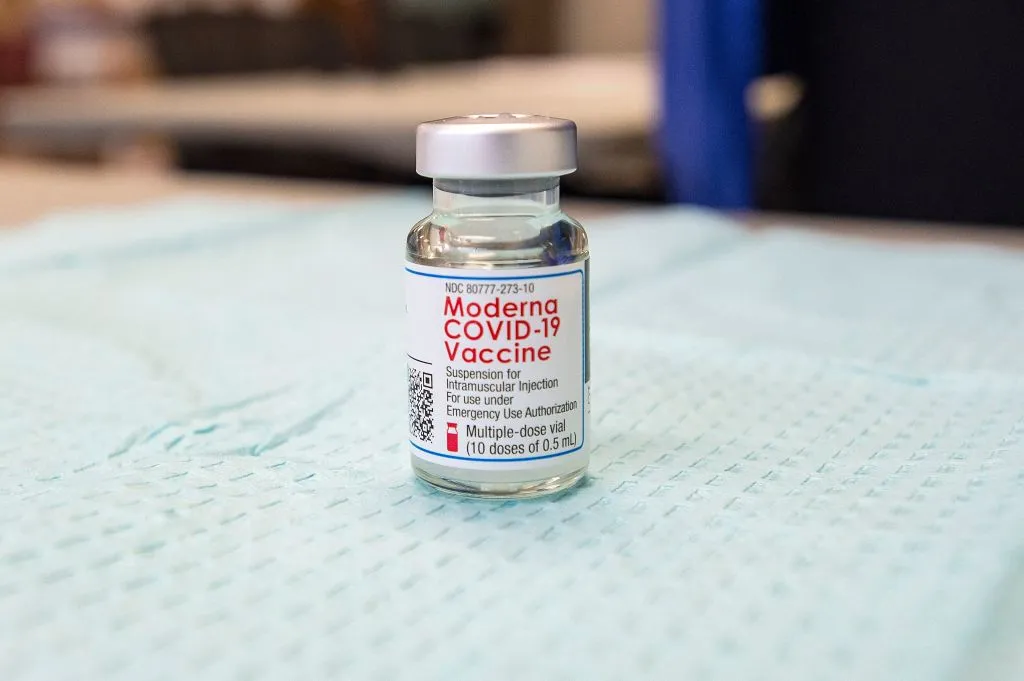
FDA OKs Moderna and J&J boosters, plus 'mix and match' approach
The Food and Drug Administration on Wednesday authorized booster doses of the Moderna and Johnson & Johnson COVID-19 vaccines, and also said it is fine to mix and match initial doses and boosters.
Under the emergency use authorization, a half dose of the Moderna vaccine can be given as a booster to people 65 and older who have been fully vaccinated for at least six months, as well as those 18 and older who are at high risk of severe COVID-19 or are frequently exposed to COVID-19 at their workplace. For the Johnson & Johnson booster, it may be administered to adults 18 and over, at least two months after they received their initial single dose of the vaccine.
"As the pandemic continues to impact the country, science has shown that vaccination continues to be the safest and most effective way to prevent COVID-19, including the most serious consequences of the disease, such as hospitalization and death," FDA Acting Commissioner Dr. Janet Woodcock said in a statement. "The available data suggest waning immunity in some populations who are fully vaccinated. The availability of these authorized boosters is important for continued protection against COVID-19 disease."
The Week
Escape your echo chamber. Get the facts behind the news, plus analysis from multiple perspectives.
Sign up for The Week's Free Newsletters
From our morning news briefing to a weekly Good News Newsletter, get the best of The Week delivered directly to your inbox.
On Thursday, the Centers for Disease Control and Prevention's Advisory Committee on Immunization Practices will convene and determine whether to recommend the FDA authorization. Then, CDC Director Rochelle Walensky will decide if she should sign off on their guidance.
A free daily email with the biggest news stories of the day – and the best features from TheWeek.com
Catherine Garcia has worked as a senior writer at The Week since 2014. Her writing and reporting have appeared in Entertainment Weekly, The New York Times, Wirecutter, NBC News and "The Book of Jezebel," among others. She's a graduate of the University of Redlands and the Columbia University Graduate School of Journalism.
-
Political cartoons for January 4Cartoons Sunday's political cartoons include a resolution to learn a new language, and new names in Hades and on battleships
-
The ultimate films of 2025 by genreThe Week Recommends From comedies to thrillers, documentaries to animations, 2025 featured some unforgettable film moments
-
Political cartoons for January 3Cartoons Saturday's political cartoons include citizen journalists, self-reflective AI, and Donald Trump's transparency
-
A fentanyl vaccine may be on the horizonUnder the radar Taking a serious jab at the opioid epidemic
-
Health: Will Kennedy dismantle U.S. immunization policy?Feature ‘America’s vaccine playbook is being rewritten by people who don’t believe in them’
-
How dangerous is the ‘K’ strain super-flu?The Explainer Surge in cases of new variant H3N2 flu in UK and around the world
-
Vaccine critic quietly named CDC’s No. 2 officialSpeed Read Dr. Ralph Abraham joins another prominent vaccine critic, HHS Secretary Robert F. Kennedy Jr.
-
This flu season could be worse than usualIn the spotlight A new subvariant is infecting several countries
-
Covid-19 mRNA vaccines could help fight cancerUnder the radar They boost the immune system
-
FDA OKs generic abortion pill, riling the rightSpeed Read The drug in question is a generic version of mifepristone, used to carry out two-thirds of US abortions
-
The new Stratus Covid strain – and why it’s on the riseThe Explainer ‘No evidence’ new variant is more dangerous or that vaccines won’t work against it, say UK health experts