World Bank estimates as many as 100 million people may fall into poverty due to the coronavirus pandemic

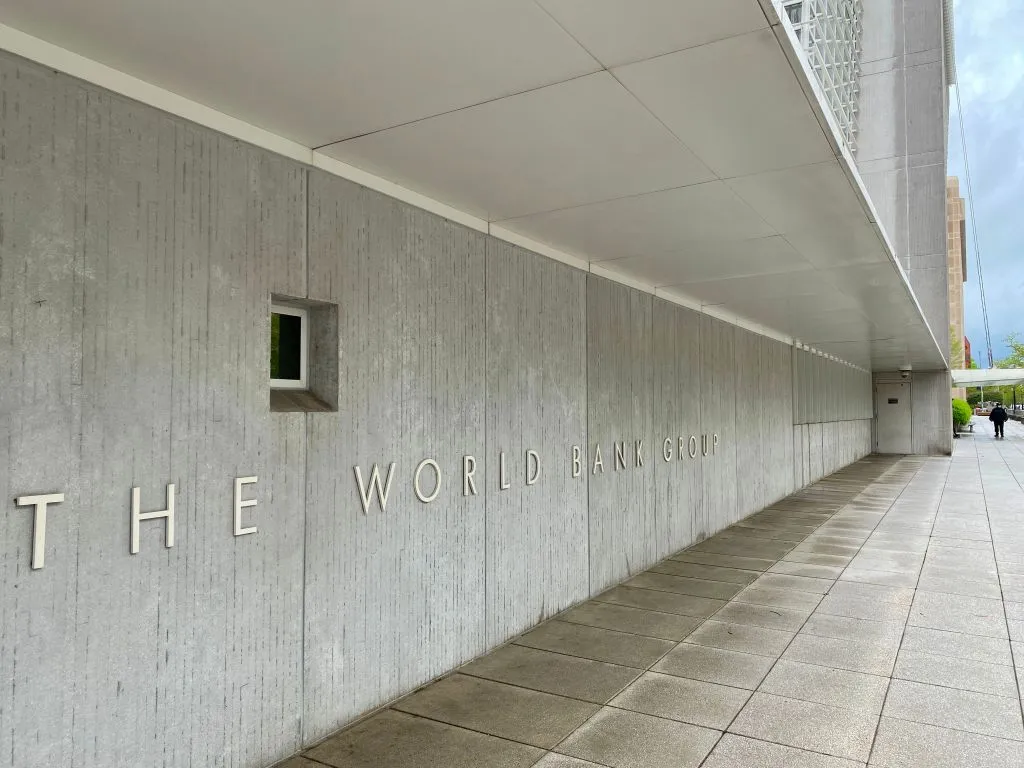
In April, the World Bank estimated the coronavirus pandemic would push somewhere between 40 million and 60 million people into poverty worldwide. On Monday, that figure increased to between 70 million and 100 million, The Financial Times reports. The bank also now anticipates the global economy will shrink by 5.2 percent, up from its three percent prediction in April.
"This is a deeply sobering outlook, with the crisis likely to leave long-lasting scars and pose major global challenges," said Ceyla Pazarbasioglu, World Bank Group's vice president for equitable growth, finance, and institutions.
The Week
Escape your echo chamber. Get the facts behind the news, plus analysis from multiple perspectives.

Sign up for The Week's Free Newsletters
Join more than 350,000 subscribers and keep yourself informed with a selection of The Week’s most interesting, enlightening and entertaining stories - plus daily puzzles.
Join more than 350,000 subscribers and keep yourself informed with a selection of The Week’s most interesting, enlightening and entertaining stories - plus daily puzzles.



