
Google’s alliance with the film studio A24 shows how AI companies are “deepening their influence in Hollywood,” said John Semley in Wired. The tech giant’s artificial intelligence lab, DeepMind, last month announced a $75 million “research partnership” with A24, the indie studio behind critically acclaimed films such as Moonlight, Everything Everywhere All at Once, and this year’s horror megahit Backrooms. The studio says it will lean on Google’s AI expertise “to learn, iterate, and build” new tools “and workflows.” But it’s one in a “line of controversial marriages between Silicon Valley and Hollywood” that has made viewers and craftspeople uneasy. Nearly 1,000 actors, agents, and parents last week signed an open letter protesting a new clause in Hasbro’s contracts with child actors on the animated kids’ series Peppa Pig that asks them to hand over rights to their voices for AI cloning. Fans of A24, which has a reputation as a bastion for “serious artists,” are also worried that the tie-up with Google will introduce more “AI slop.”
Film lovers shouldn’t be concerned, said Brian Welk in IndieWire. This is not an “IP deal nor a data-training deal,” like the Lionsgate partnership with Runway or Disney’s stake in OpenAI. It’s a logical attempt by A24 to understand how these new tools can “support filmmakers when they are designed from the start to serve creative vision.”
The Week
Escape your echo chamber. Get the facts behind the news, plus analysis from multiple perspectives.

Sign up for The Week's Free Newsletters
Join more than 350,000 subscribers and keep yourself informed with a selection of The Week’s most interesting, enlightening and entertaining stories - plus daily puzzles.
Join more than 350,000 subscribers and keep yourself informed with a selection of The Week’s most interesting, enlightening and entertaining stories - plus daily puzzles.
-
-
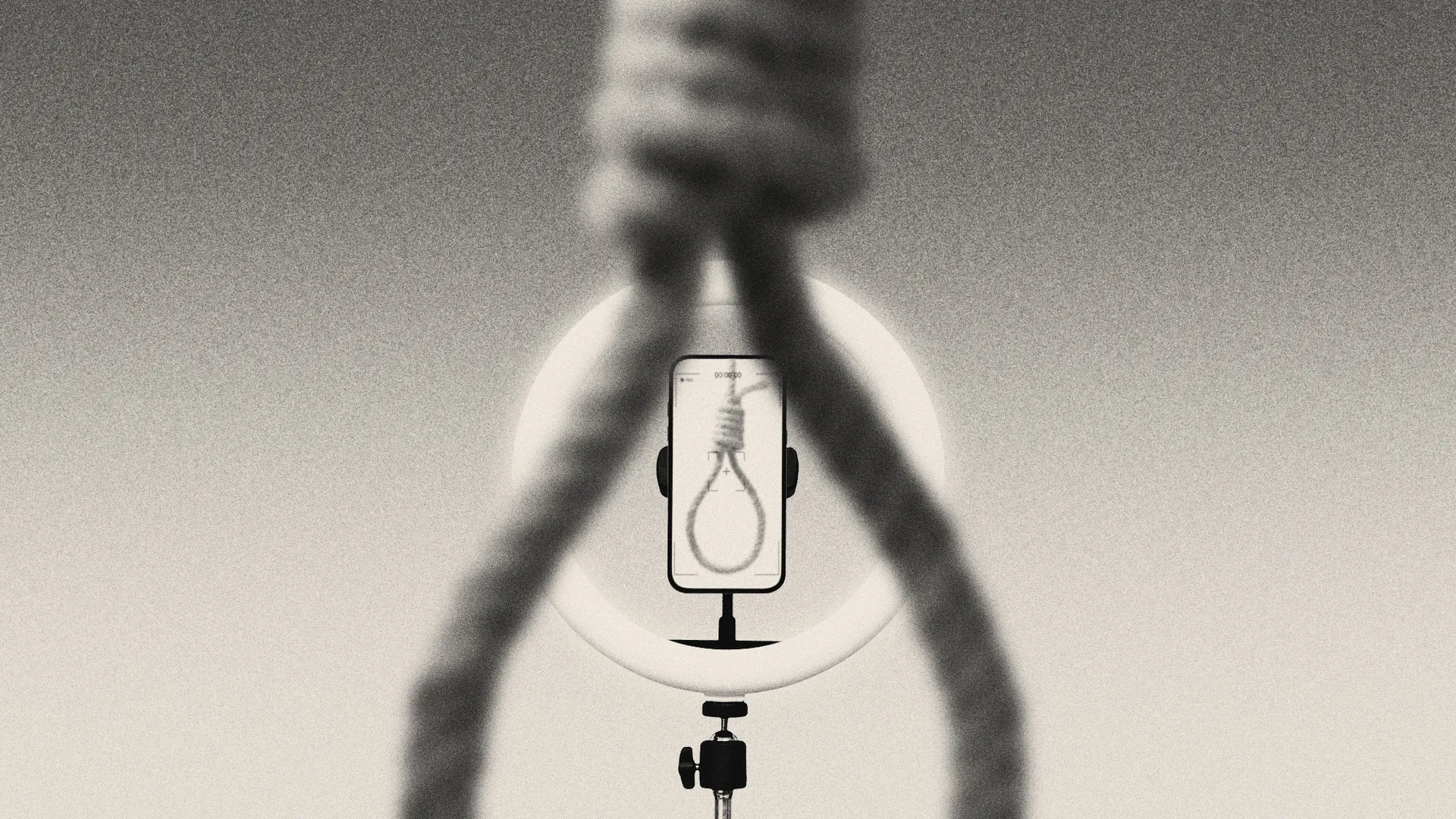 talking pointsLivestreaming an execution: cruelty or added deterrent?
 -
 QUOTE OF THE DAY‘You don’t get to take a man from his family. You don’t get to take his very life, his whole future from him, and just walk away from it. Especially when that man is Tupac Shakur.’
 -
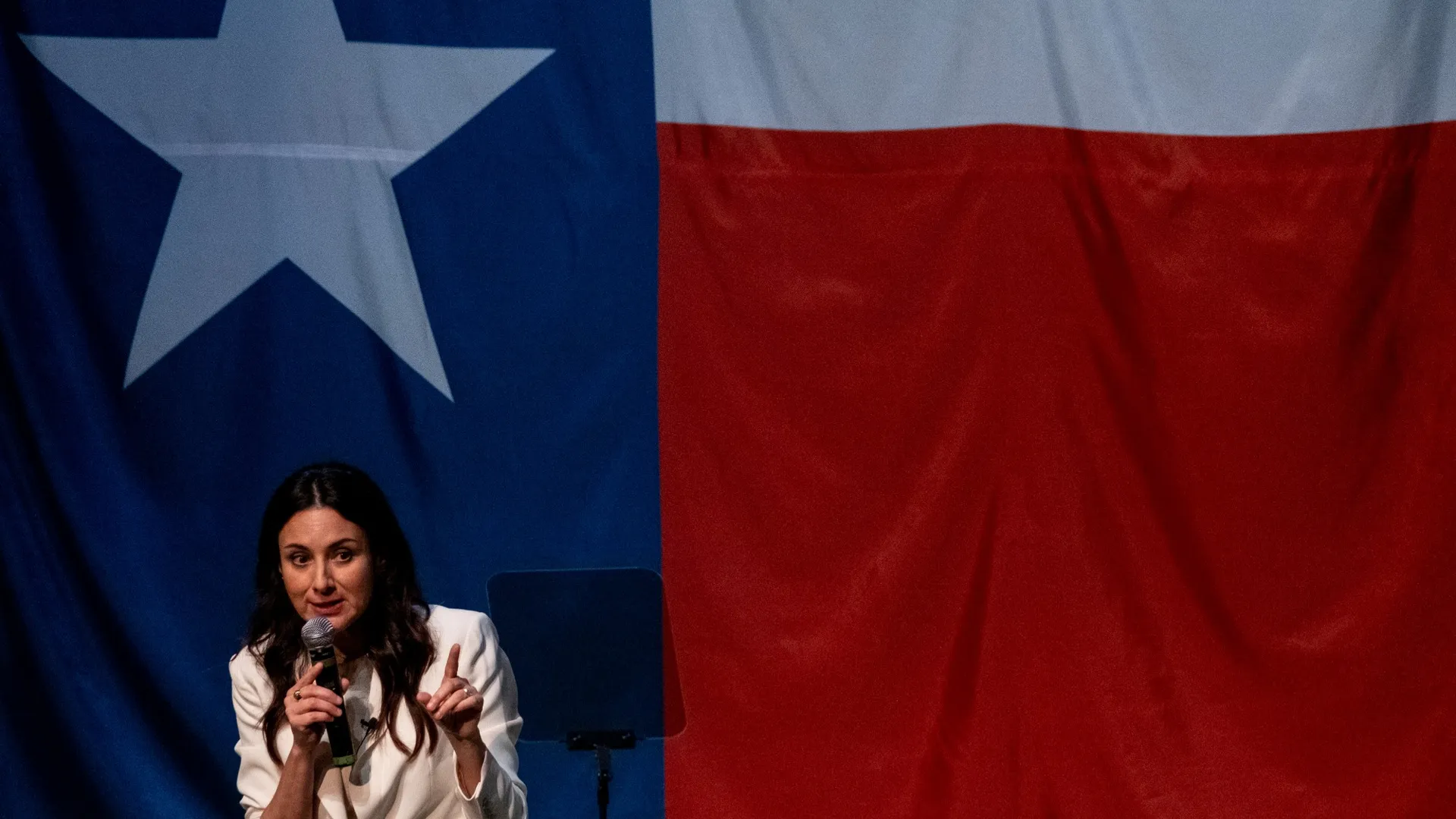 today’s big questionCan a Democrat win the Texas governor’s race?
-
-
-
talking pointsLivestreaming an execution: cruelty or added deterrent?
-
QUOTE OF THE DAY‘You don’t get to take a man from his family. You don’t get to take his very life, his whole future from him, and just walk away from it. Especially when that man is Tupac Shakur.’
-
today’s big questionCan a Democrat win the Texas governor’s race?
-