Sign up to get Today’s Best Articles in your inbox
Join 350,000+ subscribers and keep yourself informed with a selection of
The Week’s most interesting, enlightening and entertaining stories - plus daily puzzles.
You are now subscribed
Your newsletter sign-up was successful
Want to add more newsletters?
An account already exists for this email address, please log in.
The 9 best movies of the 1980s
Futuristic cyborg hunters, a Vietnam reckoning and the greatest romantic comedy of all time highlight the best films of the decade
Whether the ’80s were “morning in America” or the beginning of the end for the post-war political consensus, there is no question that the decade produced its share of landmark cinematic achievements as well as seat-filling blockbusters. These nine memorable films include huge box office hits as well as gems known mostly to dedicated cinephiles.
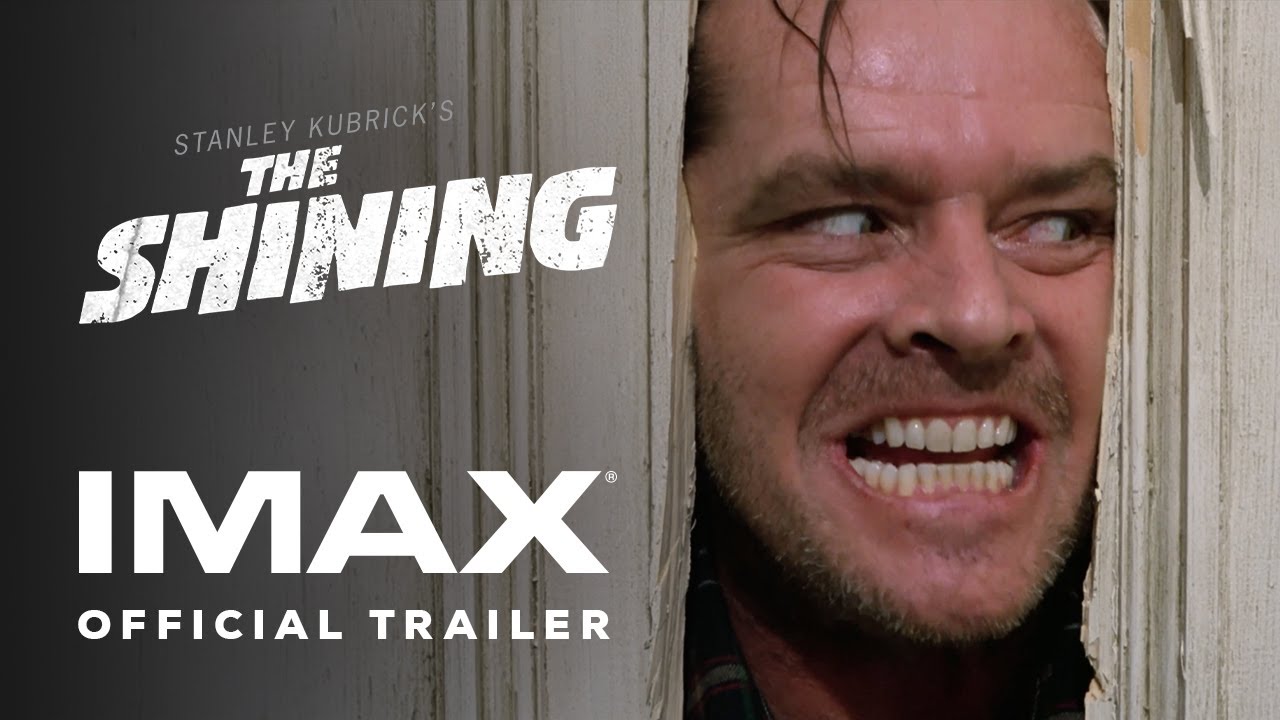
‘The Shining’ (1980)
The Shining | Official Trailer | Experience It In IMAX® - YouTube
Novelist Stephen King famously despised director Stanley Kubrick’s take on his story of hard-drinking writer Jack Torrance (Jack Nicholson), who slowly loses his mind when he serves as the winter caretaker at the snowy Overlook Hotel with his wife, Wendy (Shelley Duvall), and son, Danny (Danny Lloyd). Beyond its now-iconic scenes, including Danny scribbling “murder” backwards on a door and Jack announcing “Wendy, I’m home!” as he chops his way through a door with an axe, Kubrick’s visionary film continues to lure in new generations of viewers with its mixture of technical wizardry and delirious performances. It’s a film that succeeds in “elevating horror to a different plane, removing its camp wiggeries and bogeymen to infuriate and bedazzle,” said Ian Nathan at Empire. (Prime Video)
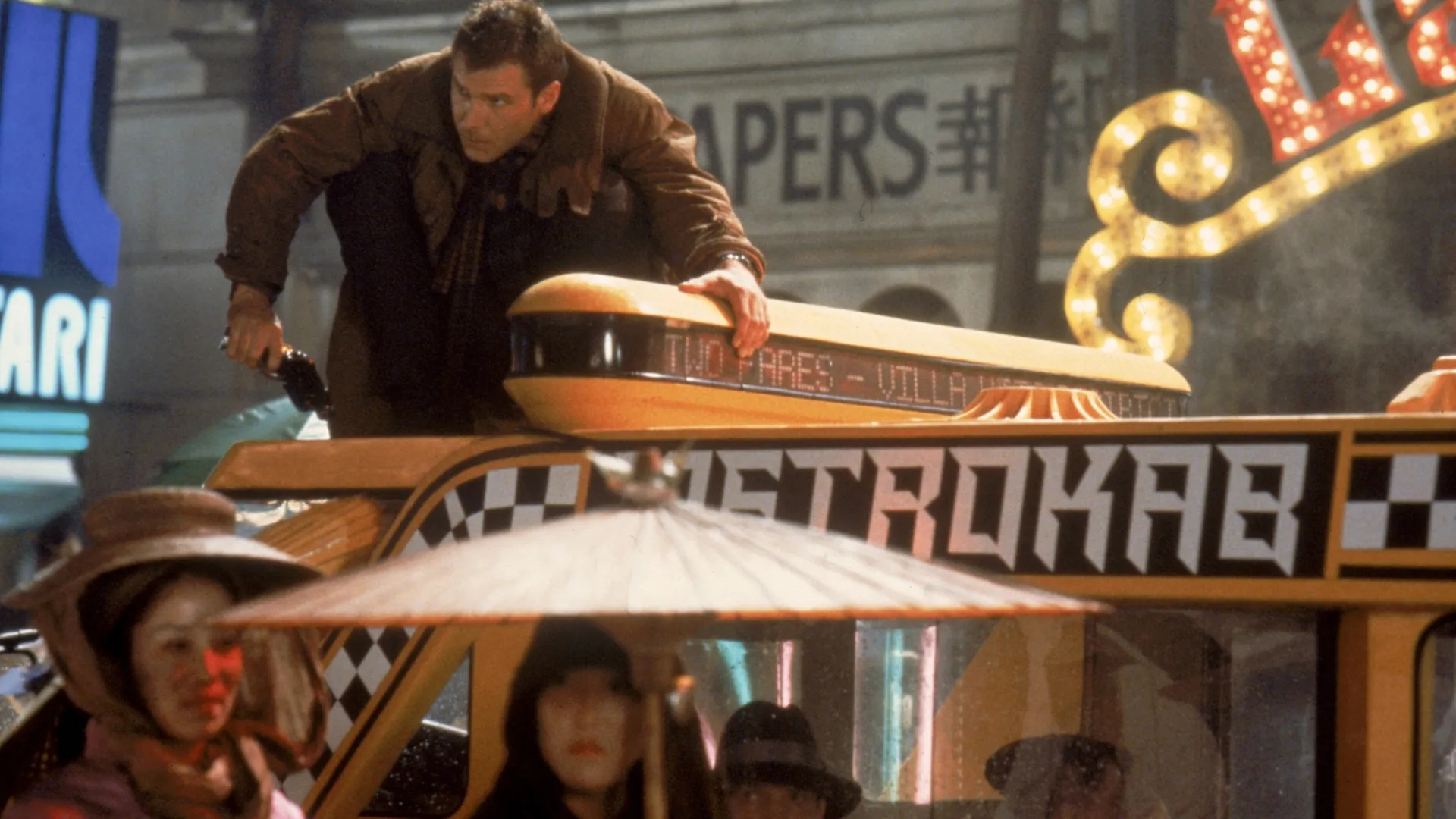
‘Blade Runner’ (1982)
Blade Runner | The Final Cut Trailer | Warner Bros. Entertainment - YouTube
Harrison Ford, at the peak of his fame, plays Rick Deckard, one of the titular agents who hunt and retire rogue synthetic “replicants” in a bleak, polluted future Los Angeles set in 2019. Deckard is tasked with eliminating a band of rebellious replicants led by Roy (Rutger Hauer) who have returned to Earth to confront their creator, the CEO of the Tyrell Corporation.
The Week
Escape your echo chamber. Get the facts behind the news, plus analysis from multiple perspectives.
Join more than 350,000 subscribers and keep yourself informed with a selection of The Week’s most interesting, enlightening and entertaining stories - plus daily puzzles.
Join more than 350,000 subscribers and keep yourself informed with a selection of The Week’s most interesting, enlightening and entertaining stories - plus daily puzzles.
In the process Deckard meets and falls in love with Rachael (Sean Young), a replicant programmed to believe that she is human. Director Ridley Scott’s sci-fi masterpiece raises still-relevant questions about the nature of synthetic consciousness, wrapped in a stylish noir casing. A “visionary” film that presents the “future as a black market, made up of scrambled sordid aspects of the past,” its unforgettable visual canvas gives it its “place in film history,” said Pauline Kael at The New Yorker. (YouTube)
‘Amadeus’ (1984)
Amadeus (1984) Official Trailer - F. Murray Abraham, Mozart Drama Movie HD - YouTube
A gripping biopic of Mozart (Tom Hulce), told from the perspective of the envious Antonio Salieri (F. Murray Abraham), “Amadeus” is one of director Milos Forman’s two masterpieces, along with “One Flew Over the Cuckoo’s Nest.” Salieri plots to destroy the arrogant, often-unhinged Mozart, upend his relationship with Emperor Joseph II (Jeffrey Jones) and steal his final composition, “Requiem.” It gives us a “surprisingly true Mozart — young and tragically flawed, riddled with childlike tendencies whilst possessing the beautiful voice of God through his music” while “exploring themes of legacy, success, betrayal and the nature of talent,” said Victoria Vireikyte at Voice. (Prime Video)
‘Paris, Texas’ (1984)
Paris, Texas - Official 4K Restoration Trailer - YouTube
Director Wim Wenders helms this slow, often surreal drama about a man, Travis (Harry Dean Stanton), who suddenly appears in the desert four years after going missing following the dissolution of his troubled marriage to Jane (Nastassja Kinski). His brother, Walt (Dean Stockwell), and his wife, Anne (Aurore Clément), have been raising Travis and Jane’s son, Hunter (Hunter Carson), in Los Angeles, and Travis decides he wants to try to find Jane in Houston. It’s a film that “shreds the emotions, leaving the viewer as raw and wounded as Travis,” while also being a “wholly American piece of storytelling in that the country’s ethos is rooted in self-discovery and redefinition,” said Brian Eggert at Deep Focus Review. (HBO Max)
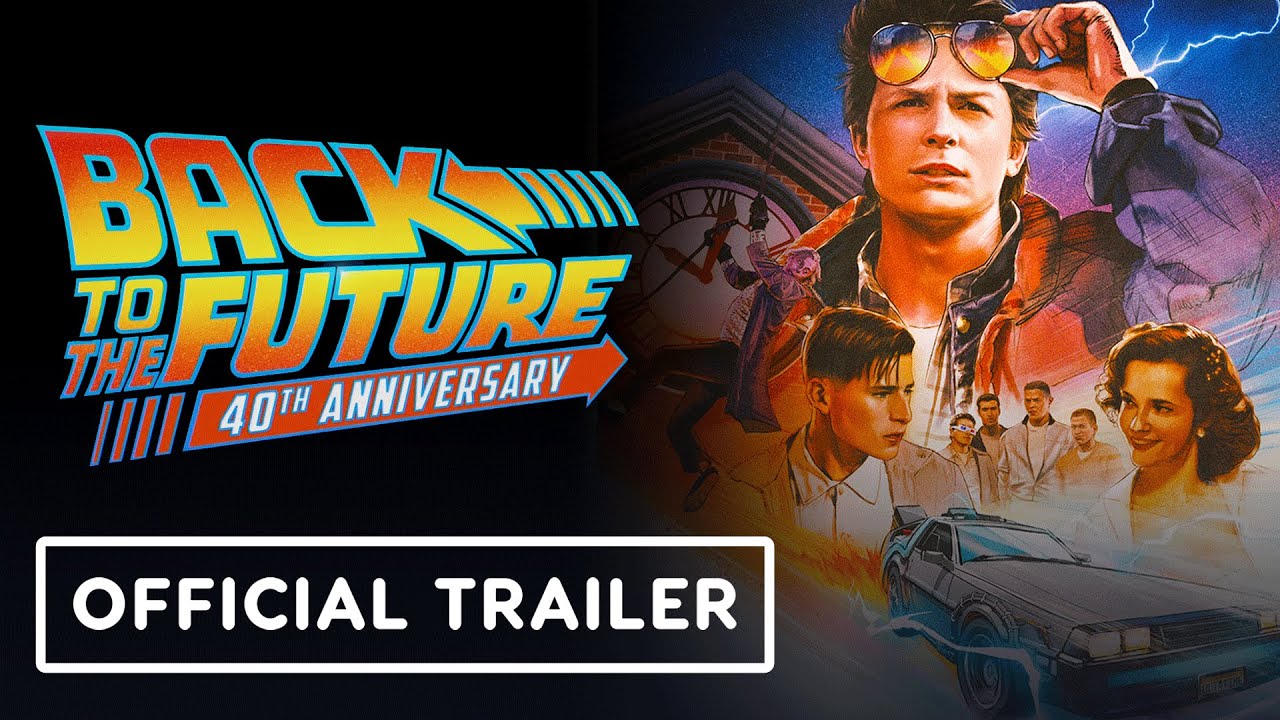
‘Back to the Future’ (1985)
Back to the Future - Official 40th Anniversary Trailer (2025) Michael J. Fox, Christopher Lloyd - YouTube
The ’80s were full of enjoyable pulp science fiction films, including E.T., but it is director Robert Zemeckis’ “Back to the Future” that left the most enduring mark on cinematic culture. Michael J. Fox is Marty McFly, a high school student whose mad scientist mentor, Emmett “Doc” Brown (Christopher Lloyd), accidentally sends him back in time to the 1950s in a DeLorean.
Sign up to get Today’s Best Articles in your inbox
A free daily email with the day’s biggest news and analysis – and the best features from TheWeek.com
While there, Marty inadvertently interrupts the meet-cute that brought his parents together and threatens to snuff out his own existence if he can’t fix it. A movie that turned Fox into a superstar, it is the “modern era’s zippiest comedy about the collapse of the American dream” that might also be “Hollywood’s richest, cleverest blockbuster,” said Amy Nicholson at the Los Angeles Times. (Starz)
‘The Sacrifice’ (1986)
The Sacrifice – Andrei Tarkovsky – Re-Release Trailer - YouTube
While certainly not the best-known 1980s film about nuclear war, celebrated Russian director Andrei Tarkovsky’s “The Sacrifice” remains one of his finest. Erland Josephson is Alexander, an actor and journalist celebrating his birthday at his family’s Swedish estate when he and his family get word that World War III has broken out, with much of the world likely already destroyed.
Desperate to avoid the coming nuclear holocaust, he agrees to a bargain with God — to give up all of his earthly loves and possessions if the disaster can be reversed. An “extraordinary and rich film with profound depths,” it represents a “bravely uneasy capstone to a titanic career,” said Tim Brayton at Alternate Ending. (Prime Video)
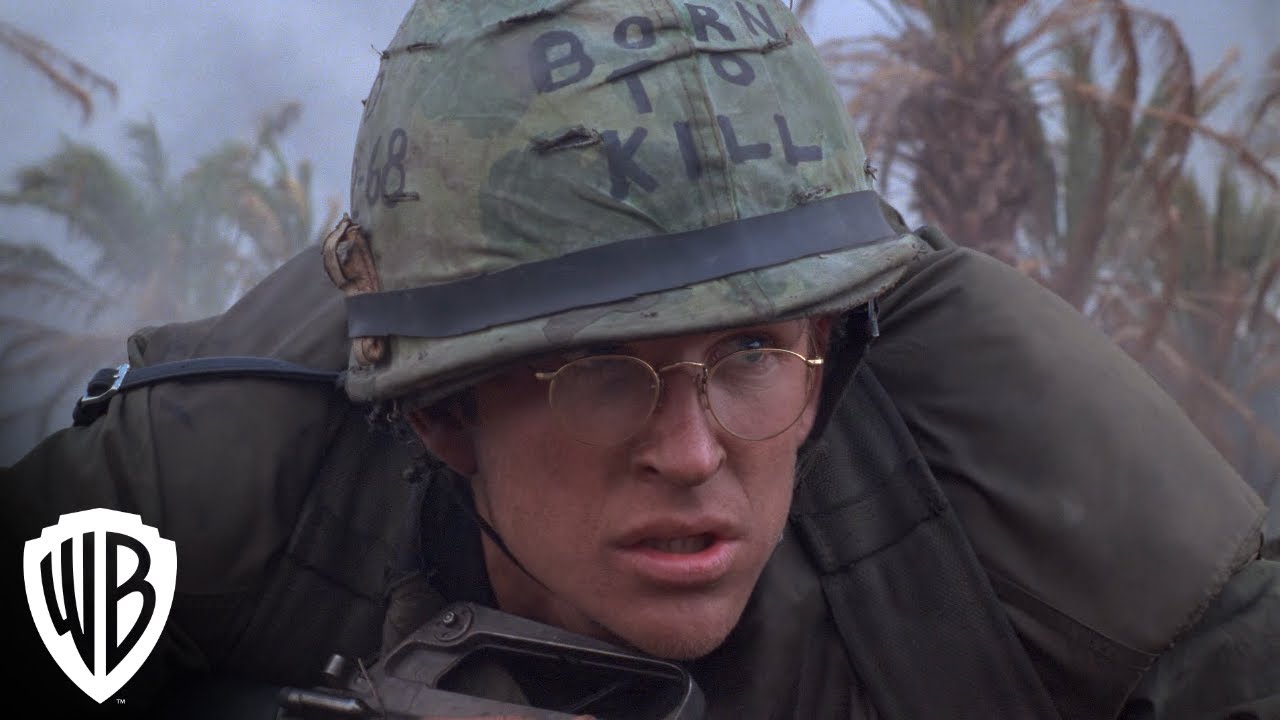
‘Full Metal Jacket’ (1987)
Full Metal Jacket | 4K Trailer | Warner Bros. Entertainment - YouTube
Hollywood’s belated reckoning with the disastrous Vietnam War reached its apotheosis in the late 1980s, with two classic films released within a year of one another, first “Platoon” in 1986 and then Stanley Kubrick’s “Full Metal Jacket” in 1987, which follows a platoon of Marines including razor-witted Private Davis (Matthew Modine) and much-ridiculed Private Lawrence (Vincent D’Onofrio) from basic training through the ordeal of combat in Southeast Asia. The first half of this “astonishingly assured piece of film-making” depicts the “steady dehumanization of Marine recruits” at the hands of the abusive Gunnery Sergeant Hartman (R. Lee Ermey) while the second half builds to a tragic climax that is a “mini-inferno of sniper fire and gushing bullet wounds, hard to live through but impossible to forget,” said John Patterson at The Guardian. (Prime Video)
‘Do the Right Thing’ (1989)
Do the Right Thing Official Trailer #1 - Danny Aiello Movie (1989) HD - YouTube
Writer-director Spike Lee’s groundbreaking film made him a household name, and Lee was only the second Black writer nominated for Best Original Screenplay at the Academy Awards. He stars as Mookie, a young father and delivery man at the eponymous neighborhood pizza joint run by Sal (Danny Aiello), a flashpoint for racial tensions between the largely black community and the restaurant’s racist owner. When Radio Raheem (Bill Nunn) is killed by police after a confrontation with Sal, the neighborhood erupts in violence. Lee’s seminal film is a “virtuoso act of creation, a movie at once realistic and symbolic, lighthearted and tragic, funny and savage,” said Roger Ebert at the time at The Criterion Collection.(YouTube)
‘When Harry Met Sally’ (1989)
The standard against which all modern romantic comedies are measured, director Rob Reiner’s “When Harry Met Sally” is more than the sum of its well-known vignettes, including Sally (Meg Ryan) publicly demonstrating to Harry (Billy Crystal) the ability to fake an orgasm, and Harry’s unforgettable riff about how men and women can’t be friends. Harry and Sally are thrown together for a car trip from Chicago to New York after they graduate from college and dance around one another for years into their 30s as friends before taking the plunge into a romantic relationship. A movie that “treasured its characters, atmosphere, and setting,” it is also a “collection of finely hewn set pieces — nearly all of which pivot around nothing more than a conversation,” said Sonia Saraiya at Vanity Fair. (Prime Video)
David Faris is a professor of political science at Roosevelt University and the author of "It's Time to Fight Dirty: How Democrats Can Build a Lasting Majority in American Politics." He's a frequent contributor to Newsweek and Slate, and his work has appeared in The Washington Post, The New Republic and The Nation, among others.