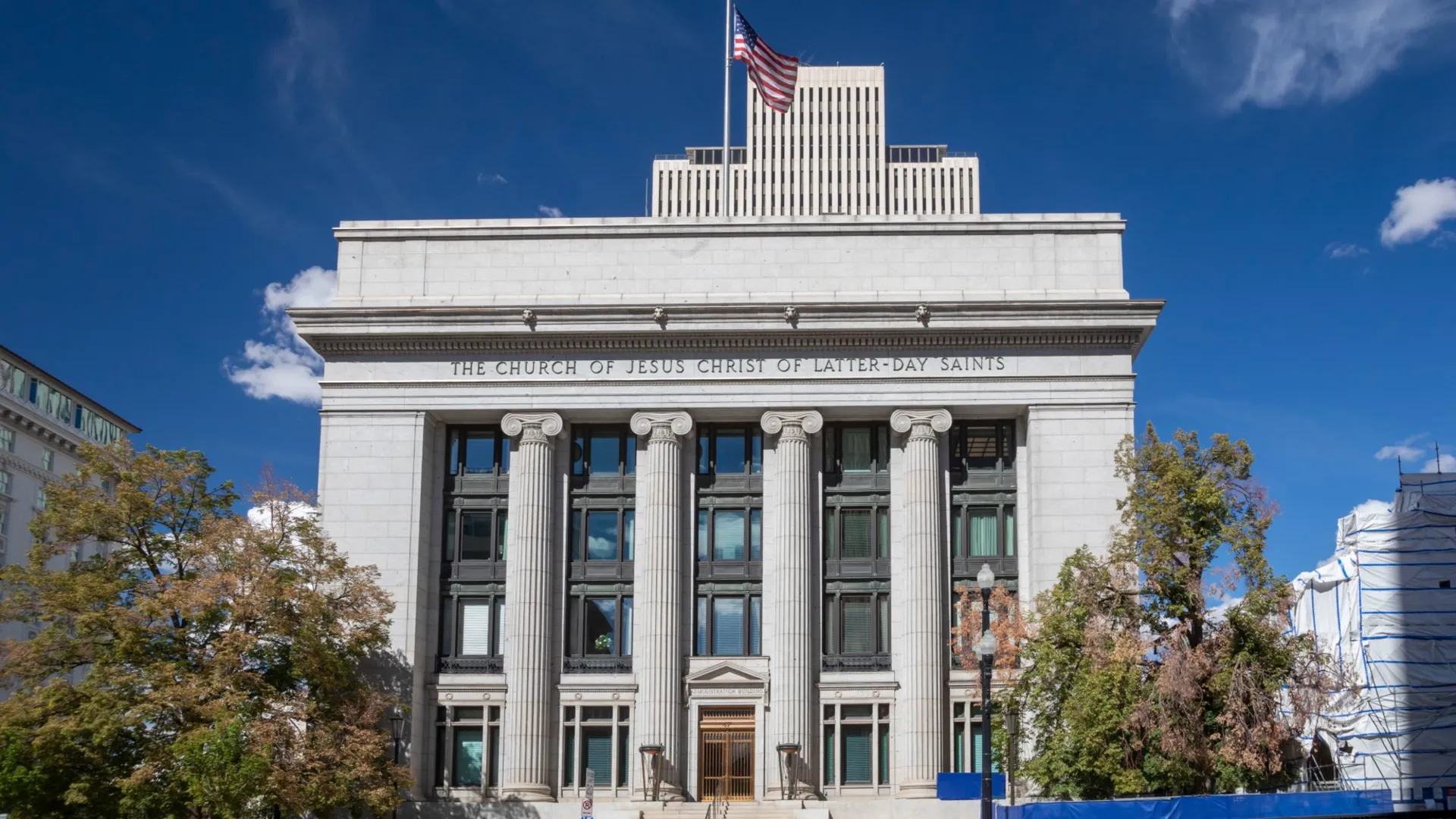
While Mormon temples may be a common sight in many cities across the United States, the average American might not realize how much land is owned by the Mormon Church. Using a largely obscure real estate company, the church has been quickly expanding its holdings in numerous states and isn’t showing any signs of slowing down.
How is the Mormon Church acquiring land?
The church largely purchases land through its real estate management brand, Property Reserve. While this company is “relatively unknown to many,” it plays a major role in the Mormon Church, said Bloomberg. Through a “web of subsidiaries,” Property Reserve has “accumulated billions of dollars of properties from farms and ranches to apartments and hotels, becoming one of America’s largest — and least transparent — landowners.”
Though the Mormon Church is mostly known for purchasing land to build its sprawling temples on, it is now “starting to get more involved in housing and master-planned communities — putting in some cases decades-old land holdings to work in high-growth areas including Colorado, Florida and Arizona,” said Bloomberg. The church recently “paid $240 million to acquire an apartment complex in Boca Raton, marking one of the priciest multifamily deals in South Florida” in 2026, said The Real Deal.
The Week
Escape your echo chamber. Get the facts behind the news, plus analysis from multiple perspectives.
SUBSCRIBE & SAVE
Sign up for The Week's Free Newsletters
Join more than 350,000 subscribers and keep yourself informed with a selection of The Week’s most interesting, enlightening and entertaining stories - plus daily puzzles.
Join more than 350,000 subscribers and keep yourself informed with a selection of The Week’s most interesting, enlightening and entertaining stories - plus daily puzzles.
Latest Videos FromThe Week US
One of these regions in Florida being developed sits on a swath of land “almost as large as San Francisco,” said Bloomberg. The project is so massive that Florida created an “independent local government — usually first appointed by the landowners — designed to oversee funding of major infrastructure and development.” The deals have not been without controversy. The church has, for example, bought 3,000 acres of ranch land in Kyle, Texas, a “property that has been entangled in a lawsuit from an environmental group seeking to prevent the land from being developed,” said the San Antonio Express-News.
What is the impact?
The purchases “reflect both opportunity and a willingness to pay up,” said Bloomberg. The church does not disclose much financial information, but a Bloomberg review of property records “shows that the Mormon Church owns at least 2.4 million acres across the U.S. — an area almost twice the size of Delaware — with an assessed value in excess of $20 billion.” The real value of the Mormon Church’s holdings is “almost certainly much higher: The estimation doesn’t include holdings in nondisclosure states like Texas.”
The church’s most consequential purchases are driving “development on a scale that can reshape entire regions,” Bloomberg said. It comes amid an effort to further Mormon culture within the United States, from “influencers with millions of followers to TV shows such as ‘The Secret Lives of Mormon Wives.’” But the church has also “faced criticism over its multibillion-dollar real estate portfolio.” The criticism has been compounded due to the Mormon requirement that members donate 10% of their income to the church as a tithe, according to the Mormon Church’s website. The church has been sued for allegedly using these tithings to fund real estate projects.
There have also been allegations that the Mormon real estate portfolio is part of a larger shell company scheme, an accusation the church denies. In 2023, a whistleblower told “60 Minutes” that the church’s nonprofit investment manager, Ensign, was “really a clandestine hedge fund” and that “once the money went in, it didn’t go out.” Mormon officials have denied any wrongdoing. The whistleblower’s story included “unfounded allegations by a former employee who has a different view on how the church should manage its resources,” the church said in a statement.