Spirit Airlines collapse may push up airfare
“This is tremendously disappointing and not the outcome any of us wanted,” Spirit CEO Dave Davis said


What happened
Pioneering no-frills budget carrier Spirit Airlines ceased operations on Saturday, citing sharply higher fuel prices and the collapse of a $500 million Trump administration bailout. “This is tremendously disappointing and not the outcome any of us wanted.” Spirit CEO Dave Davis said in a statement.
Who said what
The Week
Escape your echo chamber. Get the facts behind the news, plus analysis from multiple perspectives.

Sign up for The Week's Free Newsletters
Join more than 350,000 subscribers and keep yourself informed with a selection of The Week’s most interesting, enlightening and entertaining stories - plus daily puzzles.
Join more than 350,000 subscribers and keep yourself informed with a selection of The Week’s most interesting, enlightening and entertaining stories - plus daily puzzles.
What next?

-
-
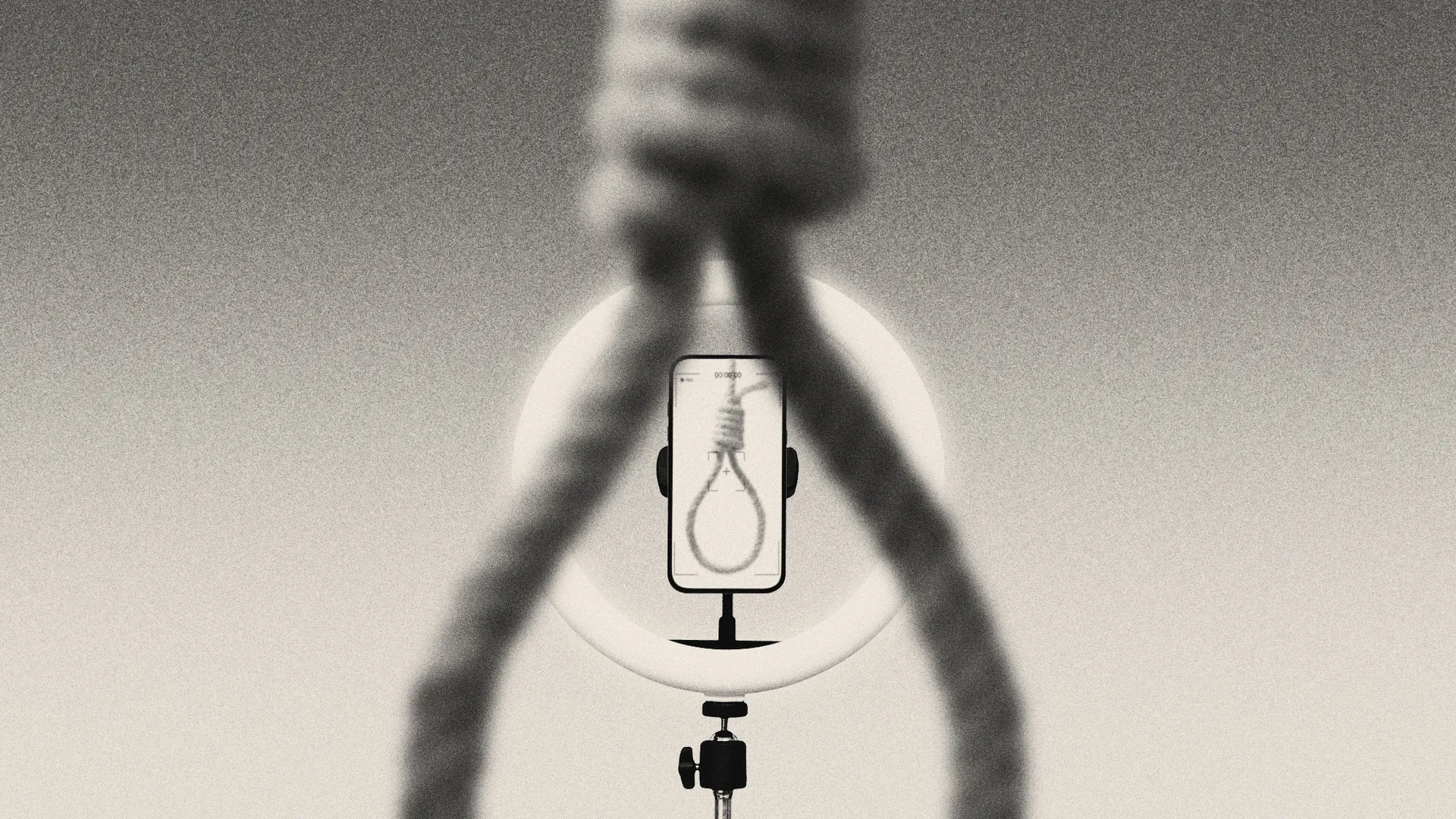 talking pointsLivestreaming an execution: cruelty or added deterrent?
 -
 QUOTE OF THE DAY‘You don’t get to take a man from his family. You don’t get to take his very life, his whole future from him, and just walk away from it. Especially when that man is Tupac Shakur.’
 -
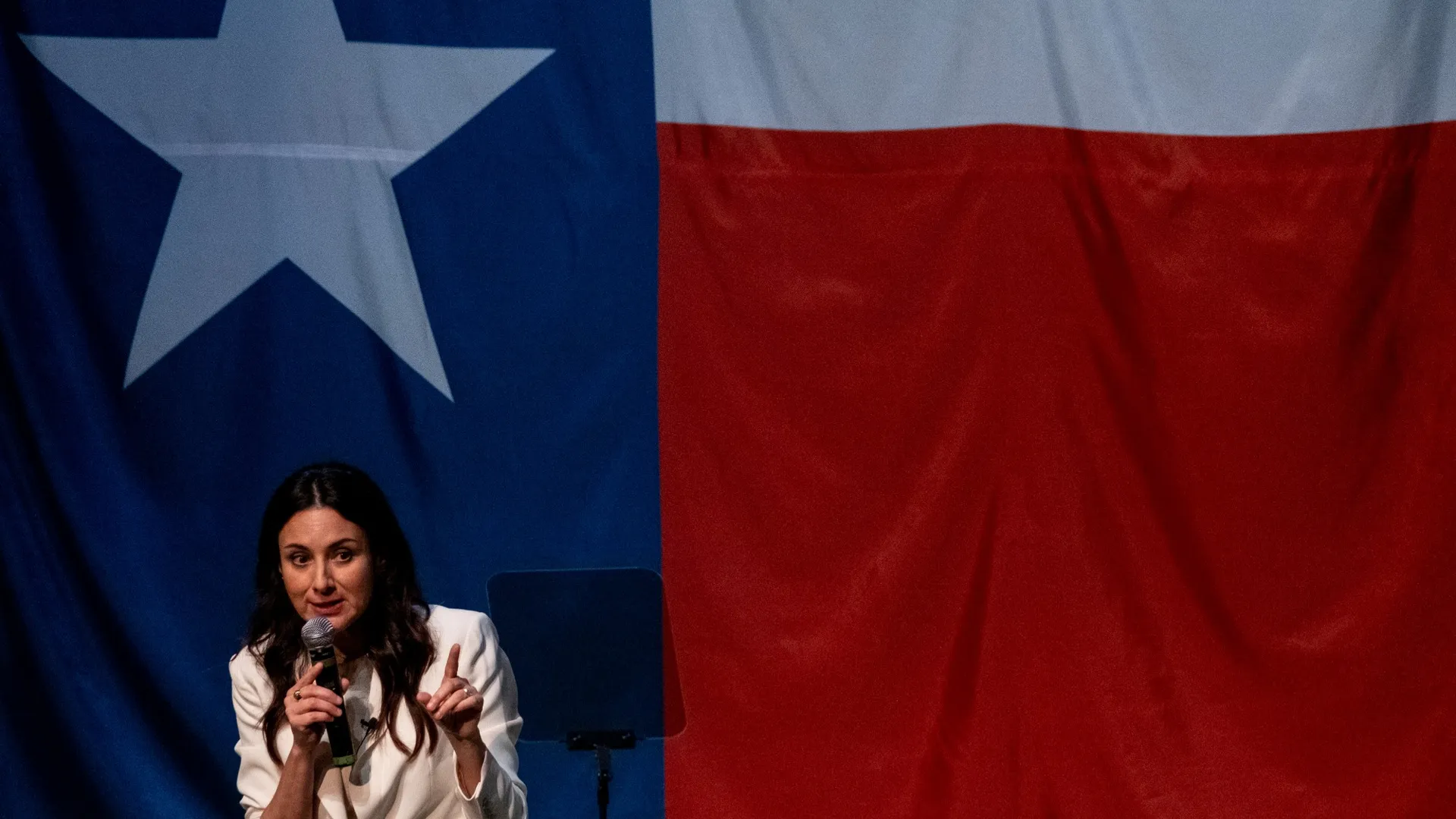 today’s big questionCan a Democrat win the Texas governor’s race?
-
-
-
talking pointsLivestreaming an execution: cruelty or added deterrent?
-
QUOTE OF THE DAY‘You don’t get to take a man from his family. You don’t get to take his very life, his whole future from him, and just walk away from it. Especially when that man is Tupac Shakur.’
-
today’s big questionCan a Democrat win the Texas governor’s race?
-