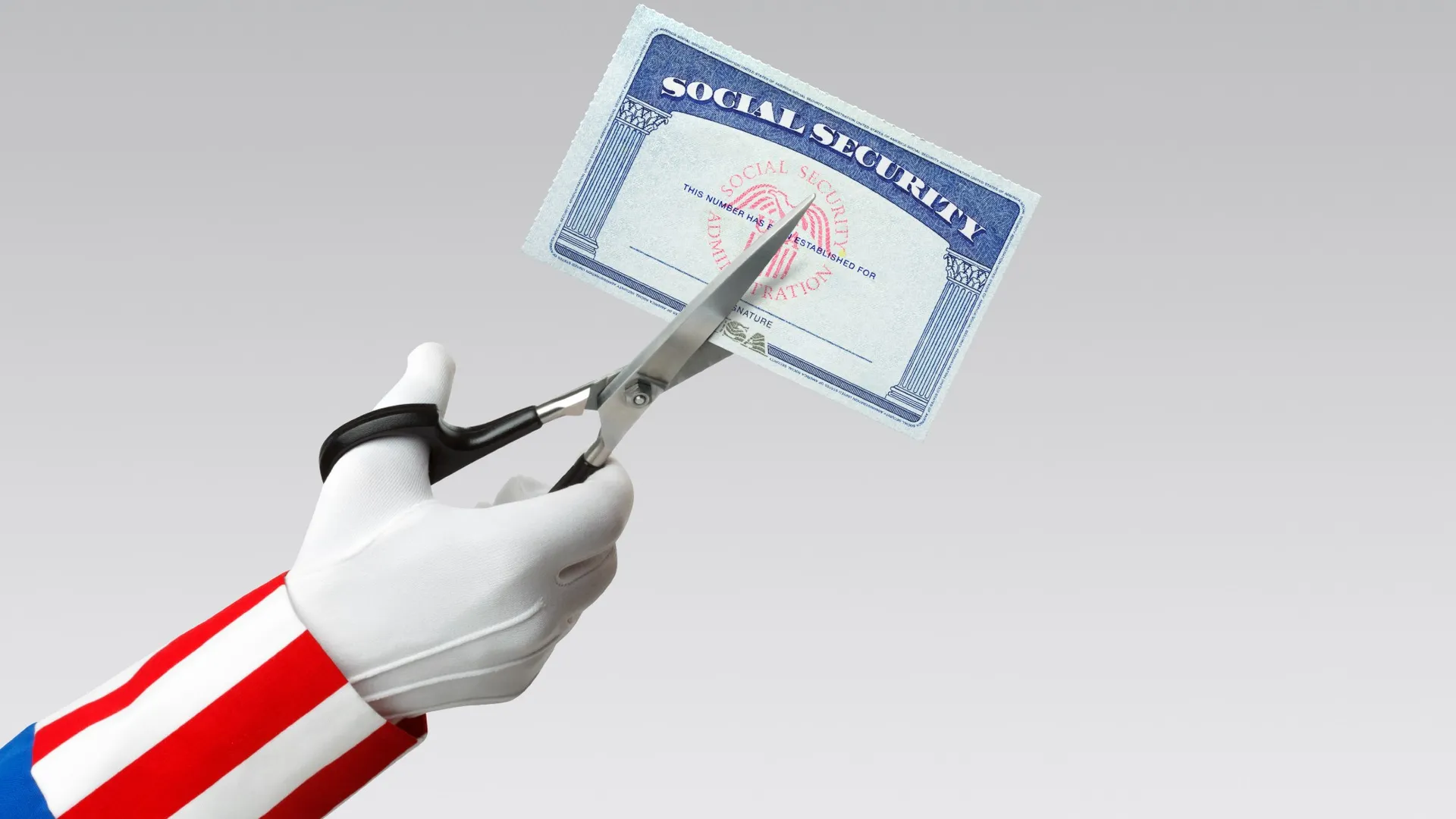
For many retirees, Social Security is an essential source of income. But unfortunately, it is also one that may soon become less reliable as available funds dry up.
Per a recent projection by the Congressional Budget Office, “Social Security’s main retirement trust fund — formally known as the Old-Age and Survivors Insurance Trust Fund — will run out of reserves in 2032,” said Money Talks News. That would translate to “cuts starting at around 7% in 2032 and deepening to an average of about 28% per year from 2033 through 2036,” said the outlet, citing an analysis by Newsweek.
Cuts of that size would translate to a sizable difference in retirement income for many. Planning ahead by following these tips can help ensure they do not derail your retirement entirely.
The Week
Escape your echo chamber. Get the facts behind the news, plus analysis from multiple perspectives.
SUBSCRIBE & SAVE
Sign up for The Week's Free Newsletters
Join more than 350,000 subscribers and keep yourself informed with a selection of The Week’s most interesting, enlightening and entertaining stories - plus daily puzzles.
Join more than 350,000 subscribers and keep yourself informed with a selection of The Week’s most interesting, enlightening and entertaining stories - plus daily puzzles.
Latest Videos FromThe Week US
1. Look for ways to cut expenses
Reviewing your spending is not the most fun exercise, but it can often reveal some opportunities to make a reduced retirement income stretch a little further. There are smaller tweaks you can make, like traveling less or canceling unused subscriptions, or you may consider more drastic moves, depending on the income gap you are facing.
For instance, “downsizing a home, eliminating a household vehicle or moving to an area with a lower cost of living can significantly reduce expenses for those willing to make larger lifestyle changes,” said U.S. News & World Report.
2. Delay claiming benefits
“Nervous retirees are already rushing to claim Social Security benefits early, convinced they should grab what they can before the system changes,” said Money Talks News. But in reality, “there’s no advantage to claiming early if cuts hit across the board,” and doing so just means the “system-wide cut applies on top of that smaller base.”
By waiting to claim Social Security, you can maximize the base amount you earn in benefits. For each year until age 70 that you wait to claim, your benefit will increase by 8%, which can go a long way toward making up for the projected shortfall.
3. Build other sources of income
This does not necessarily mean going back to work, though that is an option, whether in the form of a part-time job, gig work or consulting in your former field. Other options to close the upcoming income gap include buying a deferred income annuity “equal to the reduction,” which effectively “converts your savings into a guaranteed income stream beginning on a future date and continuing for the rest of your life,” said Kiplinger. Alternatively, you could “create a diversified bucket of mutual funds that is separate from your other investments” and intended specifically “to make up for that anticipated Social Security cut.”