With many in the Trump administration pushing an anti-vaccine agenda, declining measles vaccination rates have forced scientists to reinvigorate the hunt for a drug that could fight the virus. While the FDA has not approved any measles drugs yet, researchers seem hopeful that a breakthrough is on the horizon.
Why are researchers revamping the measles drug search?
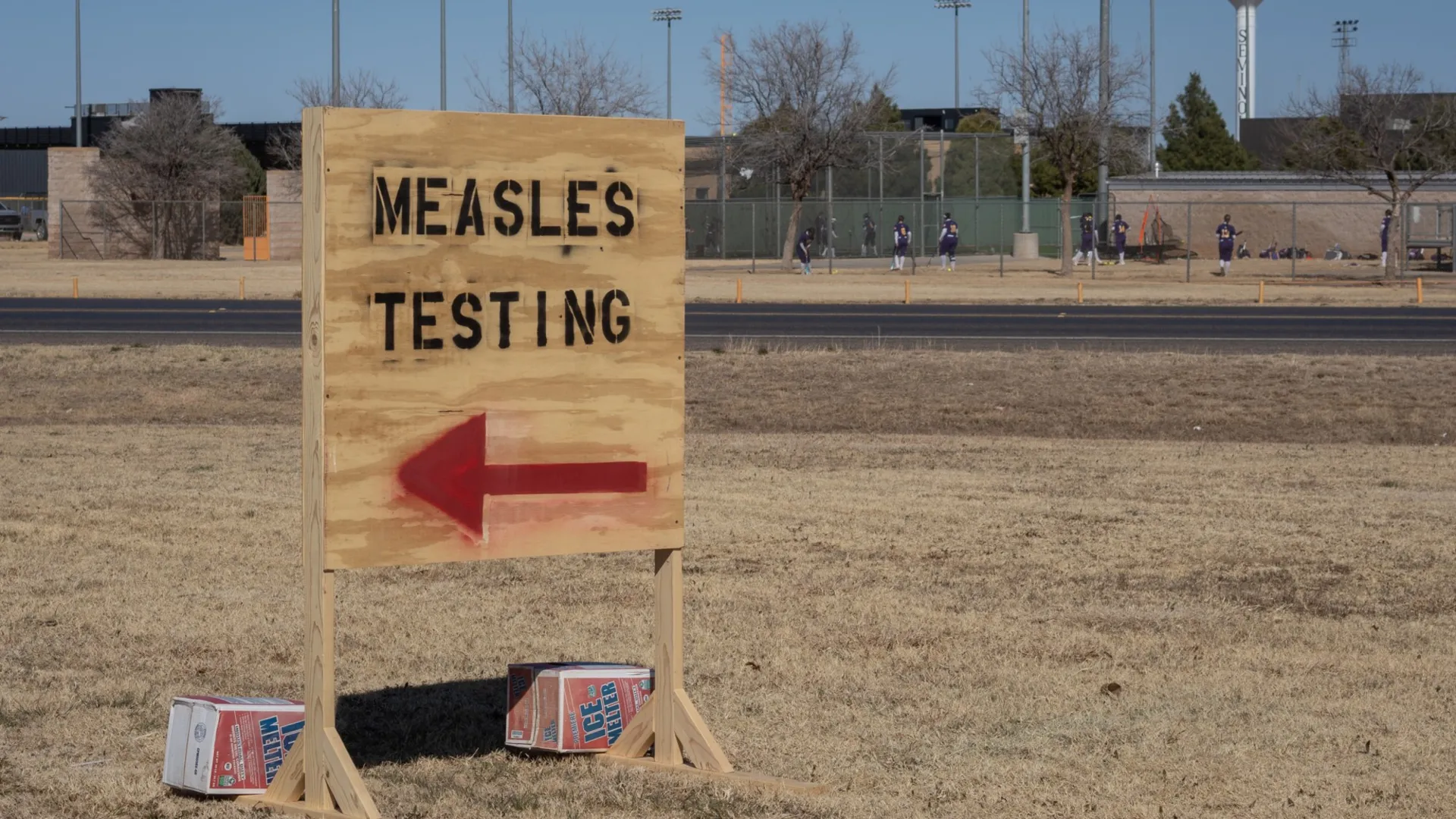
For a long time, the quest to create a measles drug was essentially dormant, as the virus “had been kept at bay in the United States for more than two decades thanks to a remarkably effective vaccine,” said The New York Times. But in 2025, amid anti-vaccine sentiment from the White House, a “series of outbreaks popped up in unvaccinated communities across the country,” marking the worst year for measles in the U.S. since 1991.
The outbreak led to a “‘very crowded’ hunt for new measles therapeutics that could prevent or treat infections,” said the Times. Currently, if an unvaccinated individual contracts the measles, doctors can “offer ways to manage symptoms, which often include fever, fatigue, cough and a hallmark blotchy rash,” said Science News. But they “can’t fight off the virus itself.”
The Week
Escape your echo chamber. Get the facts behind the news, plus analysis from multiple perspectives.
SUBSCRIBE & SAVE
Sign up for The Week's Free Newsletters
Join more than 350,000 subscribers and keep yourself informed with a selection of The Week’s most interesting, enlightening and entertaining stories - plus daily puzzles.
Join more than 350,000 subscribers and keep yourself informed with a selection of The Week’s most interesting, enlightening and entertaining stories - plus daily puzzles.
Latest Videos FromThe Week US
How far away is an approved measles drug?
There have been several breakthroughs from various scientific groups, and many feel that FDA approval of a measles drug is imminent. At least one antiviral drug, GHP-88310, was recently shown to “help treat measles, croup and other related viral diseases that cause contagious and life-threatening respiratory infections,” said The Independent. The drug is the “most promising inhibitor” of this virus family that causes measles “we have encountered in years of research,” Carolin Lieber, a senior postdoctoral fellow at Georgia State University’s Center for Translational Antiviral Research, said in a statement.
GHP-88310, which is taken orally, could “offer a much-needed option to treat measles in the midst of increasing endemic transmission in the U.S. and throughout the world due to vaccine hesitancy,” said Drug Discovery News. The drug could provide an alternative to the typical measles defense mechanism, ring vaccination, in which “direct and social contacts around an infected person are vaccinated.” But with “increasing vaccine hesitancy in some population groups, ring vaccination is no longer a viable option in some communities.”
The success of the drug doesn’t necessarily mean it will become ubiquitous as a measles treatment, partially due to people’s feelings about the disease. “One of the biggest misunderstandings about measles is that it’s ‘not that bad,’” Kathryn Hastie, a structural virologist at San Diego’s La Jolla Institute for Immunology, said to Science News. The virus instead can “cause a range of complications that can severely impact people’s lives, including pneumonia and blindness.”
Another company, Saravir, is developing its own measles antibody treatment. The medication could be a “potential multi-billion dollar market opportunity,” Dr. Ronald Moss, Saravir’s CEO, told the Times. Moss estimates there are 44 million people in the U.S. and EU who are “uniquely vulnerable to measles,” and if even a small portion of that group is exposed, it’s a “pretty big population that we would want to protect.” Still, the antibody treatment and other measles drugs could be cost-prohibitive. If the “drug makes it through trials,” said the Times, Saravir “expects the infusions to cost roughly $2,500.”



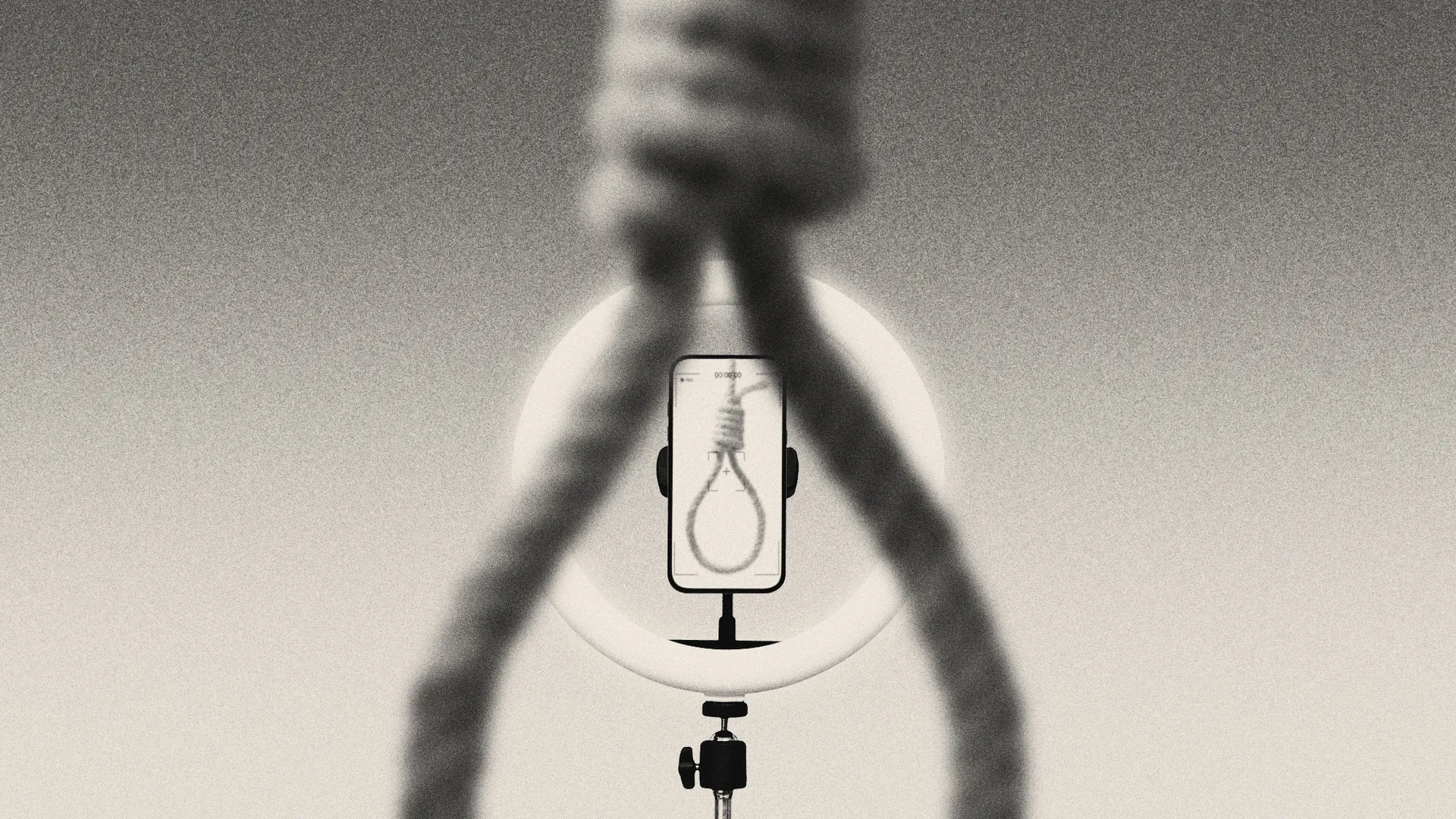 talking pointsLivestreaming an execution: cruelty or added deterrent?
 QUOTE OF THE DAY‘You don’t get to take a man from his family. You don’t get to take his very life, his whole future from him, and just walk away from it. Especially when that man is Tupac Shakur.’
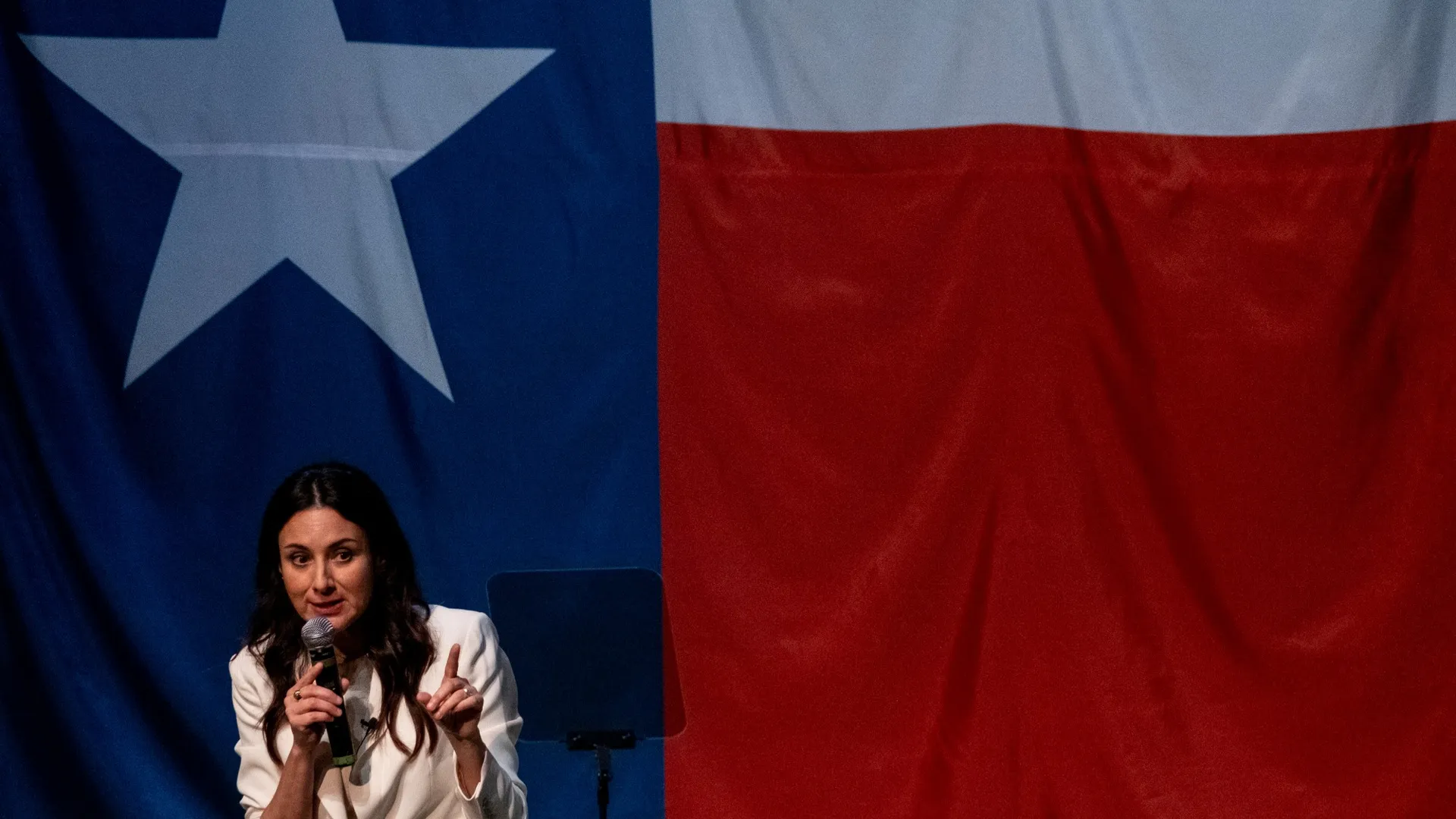 today’s big questionCan a Democrat win the Texas governor’s race?