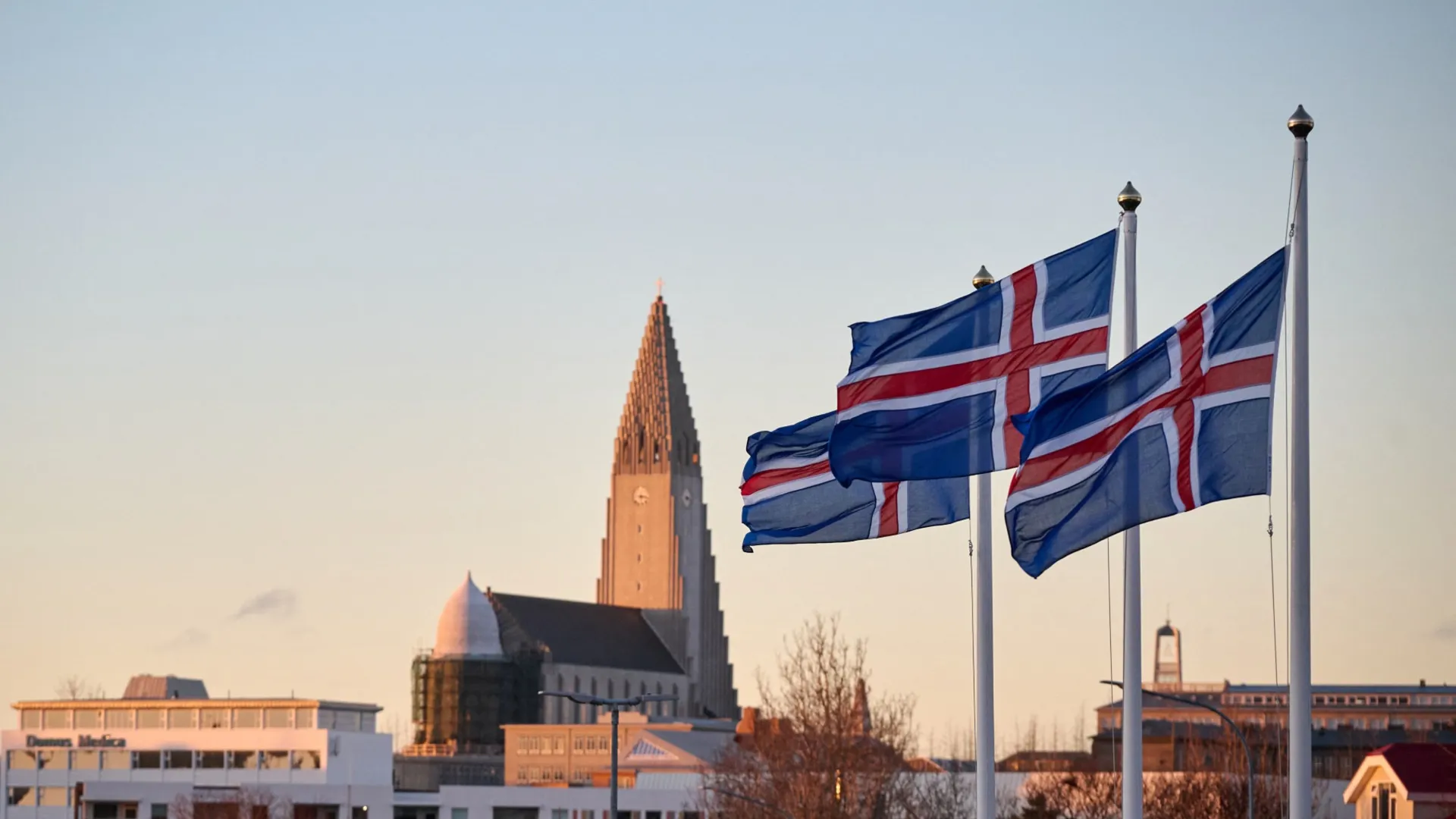
The European Union could soon add a 28th member to its ranks, as Iceland is set to vote on potentially joining the bloc this summer. But not all Icelanders support EU membership, with polls split down the middle, and what happens in the referendum could have ripple effects on the international order.
‘Important for international security’
Icelanders will not be voting on whether to join the EU but on whether Iceland should resume negotiations about joining. If the referendum passes, a second vote would be held to officially make Iceland an EU member.
Icelanders are mostly at a stalemate on the issue. According to a recent survey “on behalf of the foreign ministry, 42% of Icelanders are in favor of reopening accession talks and 39% are opposed,” said The Guardian.
The Week
Escape your echo chamber. Get the facts behind the news, plus analysis from multiple perspectives.
SUBSCRIBE & SAVE
Sign up for The Week's Free Newsletters
Join more than 350,000 subscribers and keep yourself informed with a selection of The Week’s most interesting, enlightening and entertaining stories - plus daily puzzles.
Join more than 350,000 subscribers and keep yourself informed with a selection of The Week’s most interesting, enlightening and entertaining stories - plus daily puzzles.
Latest Videos FromThe Week US
Icelanders who are in favor of restarting talks view joining the EU as “important for international security and an opportunity for better integration in Europe,” said The Guardian. There have been considerations for a while about Iceland joining the bloc, but the turbocharged referendum is “in part motivated by threats from the U.S., a longtime close ally of Iceland, to forcibly acquire its closest neighbor, Greenland.” The “international order that underpinned our security and prosperity for decades is under serious pressure,” said Icelandic Foreign Minister Þorgerður Katrín Gunnarsdóttir to the outlet.
The EU has “intensified a rethink of its Arctic strategy since Trump’s rhetoric over Greenland, a semi-autonomous Danish territory, reached a peak earlier this year,” said Mari Novik at the Financial Times. Iceland was previously at an impasse with the EU over regulations regarding fishing, a major industry in the country, but the organization could “offer Iceland a carve-out on fishing policy to accelerate the country’s potential bid to join the bloc.”
‘Half the country will be upset’
Not all Icelanders are eager to join the EU. Some feel the country is “locked in an existential fight for Iceland’s soul, where extreme measures might be justifiable,” said Elías Þórsson at Icelandic news magazine The Reykjavík Grapevine. Politics in Iceland “tend to be rather benign,” but there’s “something about the EU debate that stirs the pot" of public opinion. “About half the country will be upset with the result” of the referendum, no matter what side wins, according to polls.
Those who oppose becoming part of the EU hark back to a “well-known refrain in Icelandic political discourse” that the nation is “being betrayed, that some kind of treason is underway, that foreigners are being allowed to come and run everything in Iceland,” said political scientist Ólafur Harðarson to the Grapevine. Some feel that EU membership means “giving up Iceland’s sovereignty,” said Þórsson.
The aforementioned fishing industry may be what the referendum ultimately comes down to. Icelanders have “watched with alarm as Ireland, an EU member, has endured cuts to fishing quotas that have devastated its coastal communities,” said Amelia Nierenberg at The New York Times. And the citizens are fearful the EU could do the same thing to Iceland without a carve-out.
“People feel that they might be forced to pick a side,” said Eirikur Bergmann, a politics professor at Iceland’s Bifrost University, to the Times. And then there’s “really only one side to pick.”



 talking pointsLivestreaming an execution: cruelty or added deterrent?
 QUOTE OF THE DAY‘You don’t get to take a man from his family. You don’t get to take his very life, his whole future from him, and just walk away from it. Especially when that man is Tupac Shakur.’
 today’s big questionCan a Democrat win the Texas governor’s race?