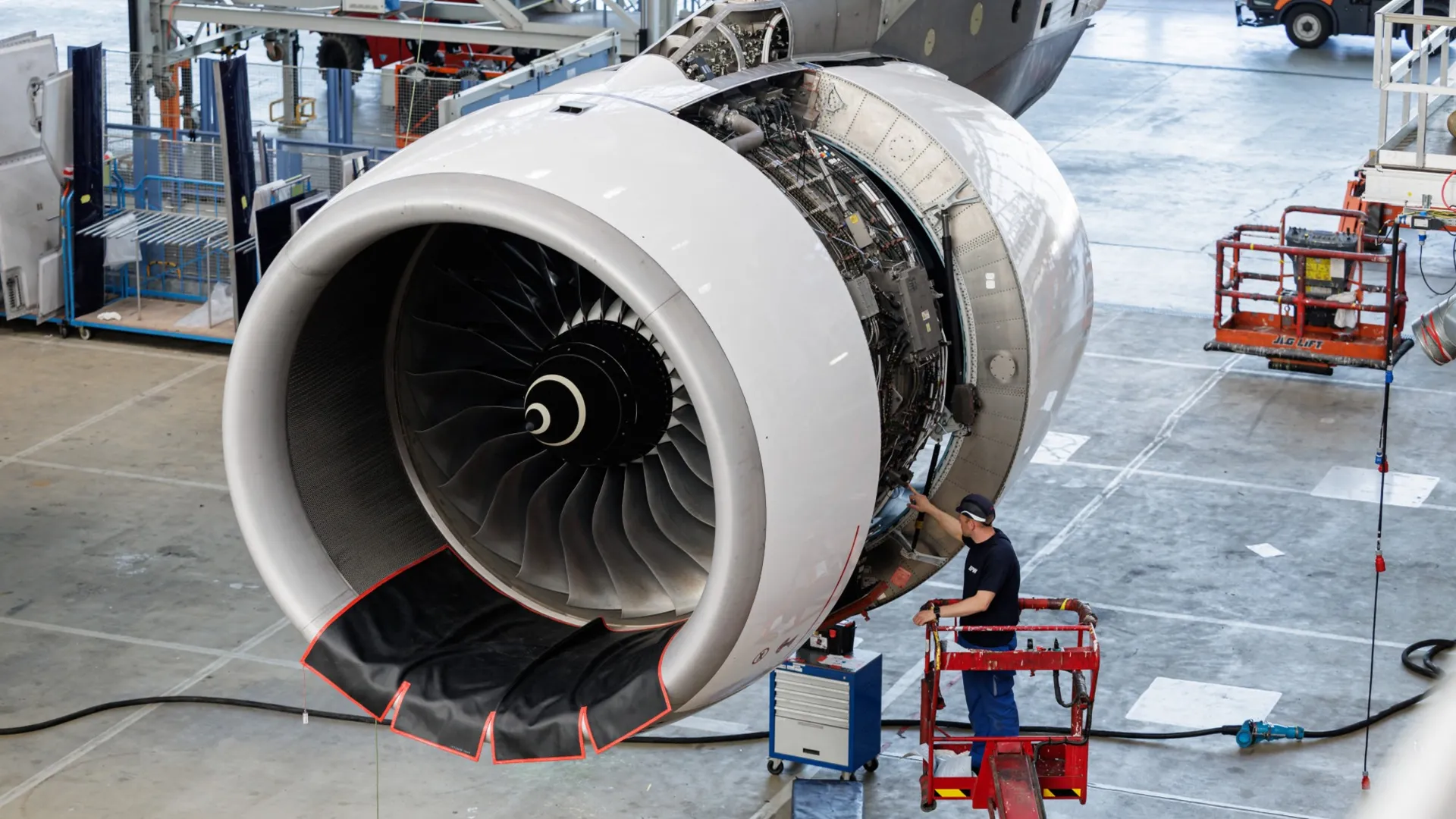
Another element of aviation is causing trouble for the air travel industry, and this time it’s the airplanes themselves. The companies that manufacture aircraft engines are increasingly coming under fire for alleged price gouging, which airlines say is making it harder to afford new planes. Combined with increased demand from travelers, airlines have found themselves between a rock and a hard place.
Why are aircraft engines becoming more expensive?
Aircraft engines have “emerged as an acute flashpoint for the industry, both in terms of their performance and lack of availability,” said Bloomberg. Many airplane manufacturers also increasingly rely on “less than a handful of manufacturers, creating quasi-monopolies and dependencies.” These companies are then able to drive up the price of building the engines.
Manufacturers are also turning toward a trend in energy-efficient engines, but this comes with its own problems. Continuing shortages of the “industry’s most fuel-efficient aircraft engines have sent their market values soaring,” said the Financial Times. The constraints of building these types of engines have “become one of the biggest concerns for the industry as manufacturers have struggled to keep up with booming demand for Airbus and Boeing planes.”
The Week
Escape your echo chamber. Get the facts behind the news, plus analysis from multiple perspectives.
SUBSCRIBE & SAVE
Sign up for The Week's Free Newsletters
Join more than 350,000 subscribers and keep yourself informed with a selection of The Week’s most interesting, enlightening and entertaining stories - plus daily puzzles.
Join more than 350,000 subscribers and keep yourself informed with a selection of The Week’s most interesting, enlightening and entertaining stories - plus daily puzzles.
Latest Videos FromThe Week US
These factors mean that engines have become one of the most expensive elements of building new airplanes. A pair of jet engines now represents up to 80% of the total market value of a new plane, according to aviation finance company Avolon. It represents a marked change from two decades ago, when the engines would have only “accounted for 20% to 30% of an aircraft’s value,” said the Financial Times.
The continuing spike in value means the price to lease new engines has increased significantly over the past few years. In January 2025, it cost $400,000 to lease two engines from manufacturer Pratt & Whitney; in comparison, leasing an A320neo plane itself cost just $306,000, according to data from aviation consultancy Cirium cited by the Financial Times. The supply chain failures “across the industry from manufacturers cost airlines at least $11 billion in 2025,” said Bloomberg, a trend that could continue through the remainder of 2026.
How are airlines reacting?
Many airline executives are angry at the inflated cost of plane engines. Most say they are “being forced to remove engines and take them for maintenance into crowded shops earlier than expected, which is driving up costs and sucking up the fuel savings they were supposed to get from the engines,” said CNBC. The increased costs represent a “paradox: Engine makers dazzled carriers with more fuel-efficient options for new planes from Boeing and Airbus,” but now “production shortfalls and disappointing reliability with those engines are becoming costly problems.”
So far, most engines “have not reached the reliability that airlines need, though there have been improvements,” said CNBC. As airplanes “push the limits, it sometimes comes at the cost of reliability, and what we all are seeing is that those engines have to go into unscheduled maintenance far more frequently than prior engine generations,” Alexis von Hoensbroech, the CEO of Canadian carrier WestJet, told CNBC. A “lot of the fuel savings are in fact eaten up by unplanned maintenance costs.”