Sign up to get Today’s Best Articles in your inbox
Join 350,000+ subscribers and keep yourself informed with a selection of
The Week’s most interesting, enlightening and entertaining stories - plus daily puzzles.
You are now subscribed
Your newsletter sign-up was successful
Want to add more newsletters?
An account already exists for this email address, please log in.
The 8 best Westerns of all time
Outlaws, bounty hunters and lawmen on the American frontier
Westerns are often thought to glorify the violence and vigilantism of the 19th-century towns on the expanding American border. But the best films of the genre, including these eight superb entries, generally interrogate rather than reinforce that mythology.
‘My Darling Clementine’ (1946)
My Darling Clementine (1946) ORIGINAL TRAILER [HD] - YouTube
Director John Ford’s classic — perhaps better known to modern audiences by way of 1993’s retelling of the same story in the excellent “Tombstone” — is well worth revisiting. Henry Fonda stars as Wyatt Earp, one of three brothers en route to California when they encounter Old Man Clanton and his sons.
While Wyatt goes into the rough-and-tumble town of Tombstone, the Clantons murder his brother James. Wyatt then takes the open job of marshal in Tombstone and sets his sights on revenge — and on Clementine Carter (Cathy Downs), the ex-fiancee of local gambler Doc Holliday (Victor Mature). The movie’s themes of transition from lawlessness into civilization on the frontier are explored with “elegance, poignancy and dexterous economy,” and the film builds its world by “eschewing clear-cut character rivalries in favor of more complex emotional and social configurations,” said Matthew Connolly at Slant Magazine. (Prime Video)
The Week
Escape your echo chamber. Get the facts behind the news, plus analysis from multiple perspectives.
Join more than 350,000 subscribers and keep yourself informed with a selection of The Week’s most interesting, enlightening and entertaining stories - plus daily puzzles.
Join more than 350,000 subscribers and keep yourself informed with a selection of The Week’s most interesting, enlightening and entertaining stories - plus daily puzzles.
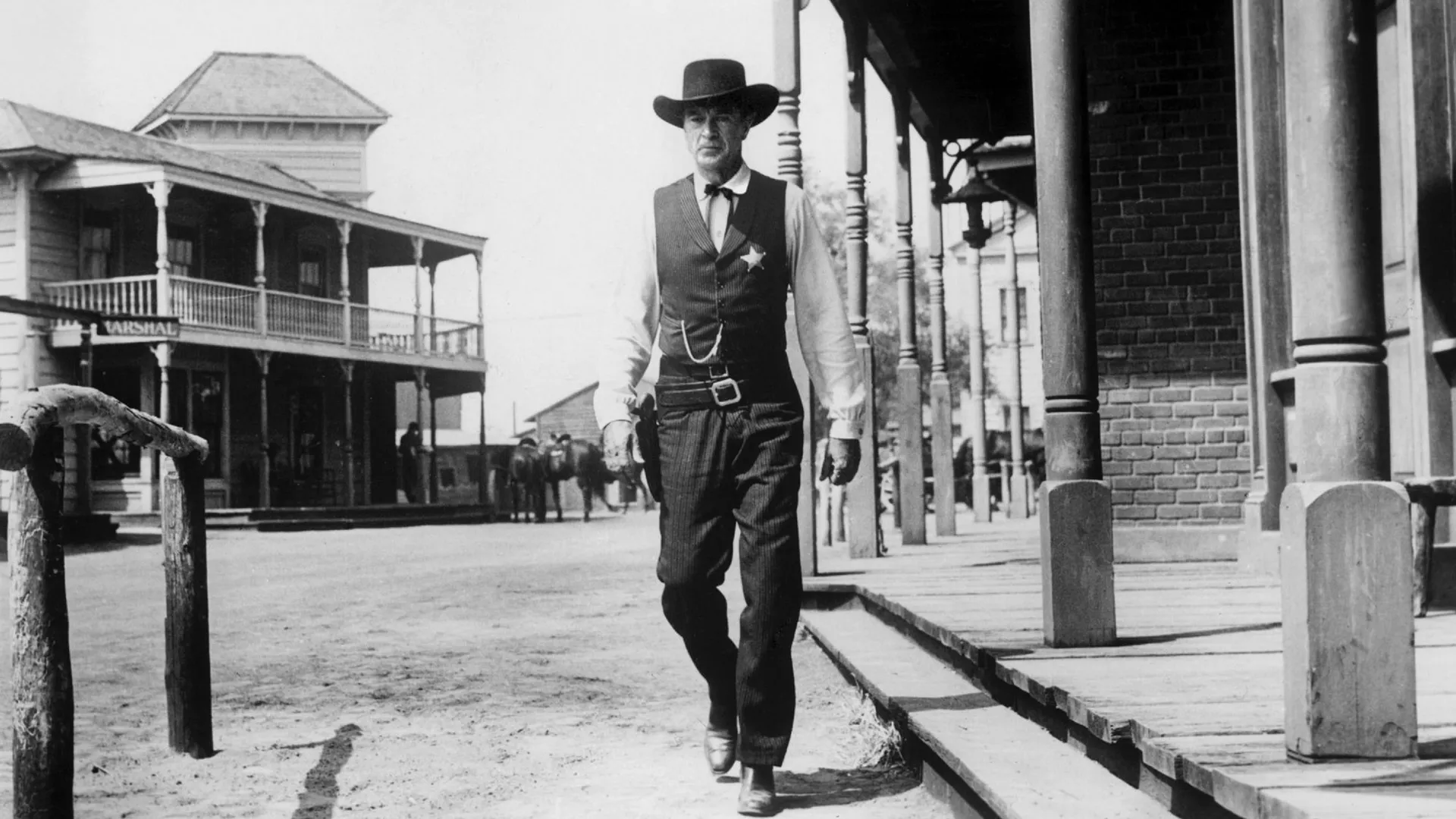
Gary Cooper is Marshal Will Kane, who receives word that Frank Miller (Ian MacDonald), an outlaw he banished to prison, is coming back on the noon train with his gang to exact revenge. Kane’s wife, Amy (Grace Kelly), begs him to reconsider, but he feels duty-bound to show up.
He tries to rally support from the town’s citizens but finds that they would prefer to let him face the music alone, a plot machination widely regarded as a commentary on how Hollywood treated those blacklisted during the McCarthy era. Director Fred Zinnemann’s “unusually circumspect and politically loaded” film “stands out as the proto antiwestern, questioning the conventions of a genre long before doing so was in vogue,” said Scott Tobias at The Guardian. (MGM+)
‘The Man Who Shot Liberty Valance’ (1962)
Part romantic triangle, part political parable about the underbelly of pushing the frontier westward, director John Ford’s “The Man Who Shot Liberty Valance” might be his finest work. Told in the form of an elaborate flashback, the narrative follows newly minted lawyer Ransom Stoddard (Jimmy Stewart) from his arrival in a freewheeling town in unincorporated territory through his deepening friendship with Tom Doniphon (John Wayne), their love of Hallie (Vera Miles) and his final confrontation with the nefarious Liberty Valance (Lee Marvin).
The give and take between the institutionalist Ransom and the take-matters-into-your-own-hands Tom mirrors long-running debates in American society about law and order and justice. The film is a “somber reflection on what was lost when education and morality” moved westward with the U.S. government and its “civilizing influences,” said Sight and Sound. (Prime Video)
Sign up to get Today’s Best Articles in your inbox
A free daily email with the day’s biggest news and analysis – and the best features from TheWeek.com
‘The Good, the Bad and the Ugly’ (1966)
The Good, The Bad, and the Ugly (1966) | Official Trailer | MGM Studios - YouTube
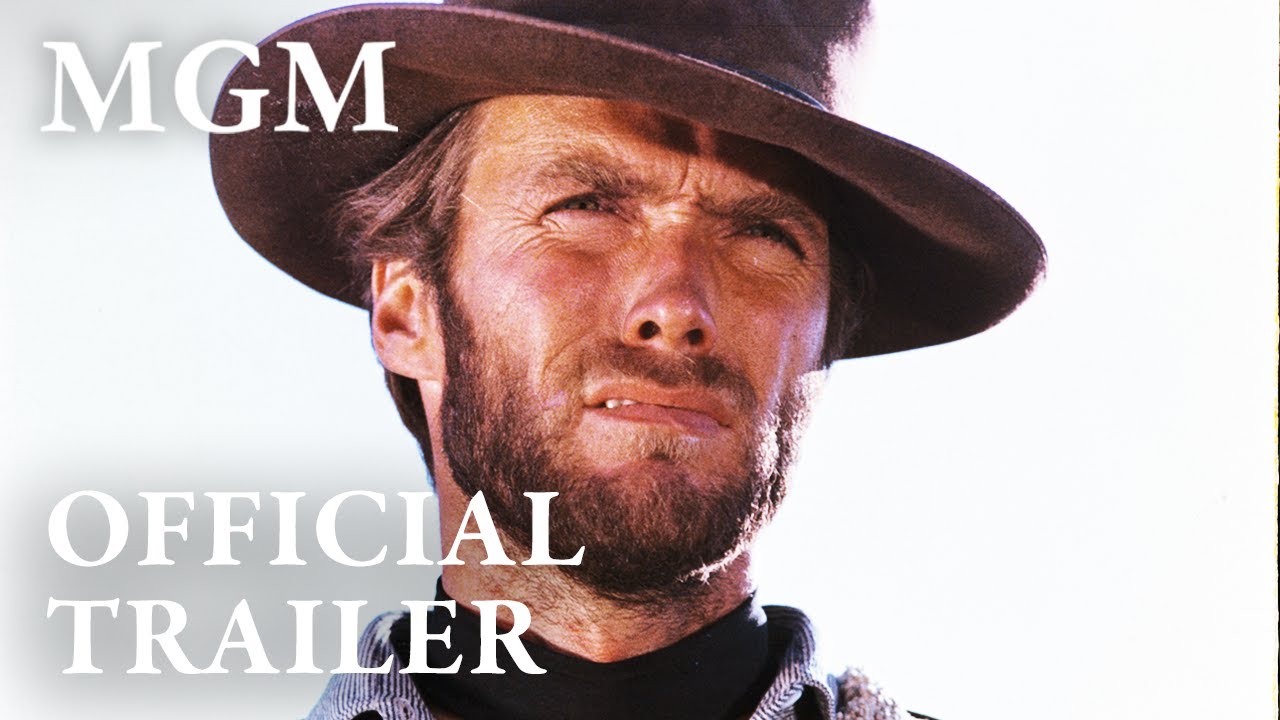
Director Sergio Leone popularized a new subgenre of frontier cinema: the spaghetti Western, named as such in honor of the Italian filmmakers who dominated the format, including Leone himself. The final and best entry of Leone’s trilogy, “The Good, the Bad and the Ugly,” is an origin story for Clint Eastwood's sharp-witted antihero “Blondie.” It’s a preautomotive road movie, as Blondie, Angel Eyes (Lee Van Cleef) and Tuco (Eli Wallach) race across the Civil War-era American West in search of a trunk full of Confederate gold. Featuring characters “united by their greed and virtually shorn of any humanity,” it “makes a mockery of any conception of good and evil,” said John Naughton at Empire. (YouTube)
‘The Grey Fox’ (1982)
The Grey Fox (1982) – Official Re-Release Trailer - YouTube
Much less well known than most films on this list, director Phillip Borsos’ “The Grey Fox” stars Richard Farnsworth as Bill Miner, a stagecoach bandit who heads to the Pacific Northwest in Canada to rob trains when he is released from prison after thirty years. He falls in love with a radical, Kate Flynn (Jackie Burroughs), as he tries to stay ahead of Detective Seavy (Gary Reineke).
Setting the film on the Canadian frontier rather than the American sets it apart from its peers, and the more languid pacing and character-driven plotting continue to distinguish it as a mannered classic. Featuring a “smorgasbord of wide shots of the Pacific Northwest,” the movie’s “slower pace works, challenging the audience to appreciate not only the nuanced performances of its actors” but also the “natural beauty,” said Thaddeus Buttrey at Loud and Clear. (Kino Film Collection)
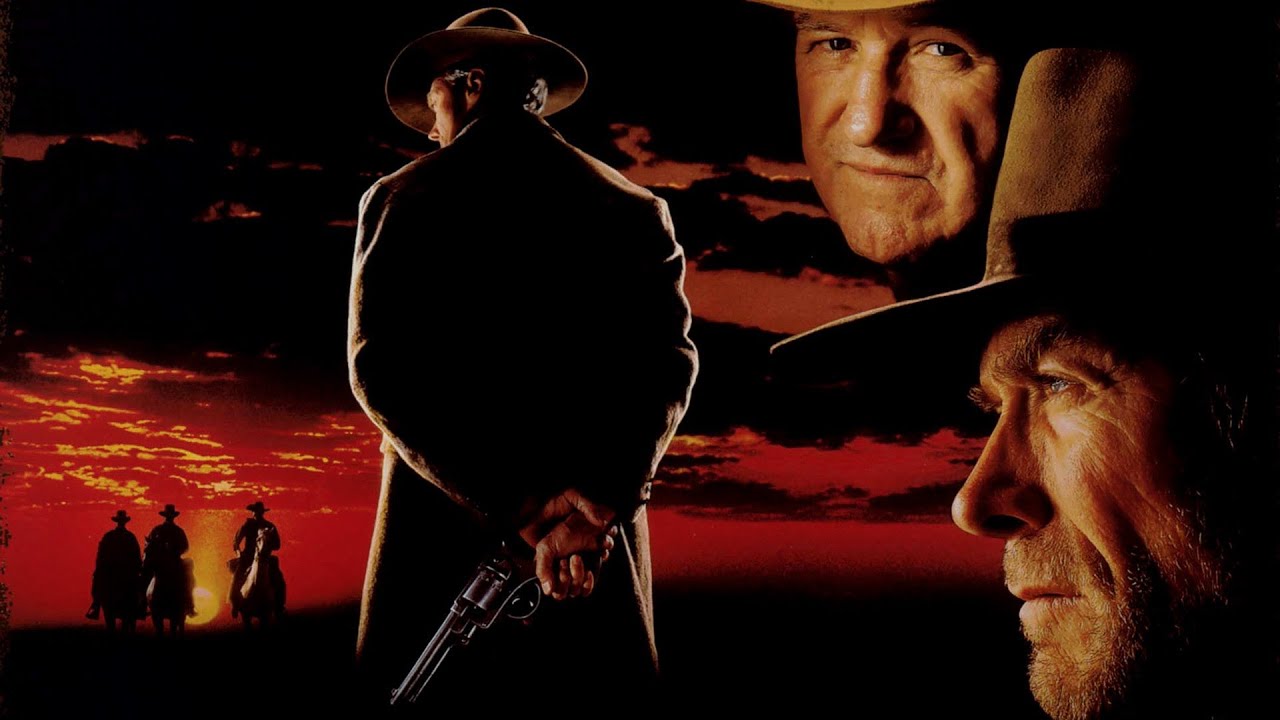
Clint Eastwood directed 40 films, but it is this riveting Western that will be remembered as his masterpiece. He also stars as Will Munny, a retired outlaw with a checkered past who is talked into pursuing one last bounty. He enlists his friend, Ned (Morgan Freeman), to help track down and kill the men who brutally scarred a prostitute named Delilah (Anna Thomson). To do so, he must go through Big Whiskey’s corrupt sheriff, Little Bill Daggett (Gene Hackman).
“Unforgiven” is full of both quotable quips and savage violence, in the process upending sentimental notions about the American frontier. A film that explores a “range of moral ambiguities and profound historical questions,” it also challenges the “history of the American West and furthermore Eastwood’s own role in defining the West in cinema,” said Brian Eggert at Deep Focus Review. (Prime Video)
‘The Assassination of Jesse James by the Coward Robert Ford’ (2007)
The Assassination of Jesse James by the Coward Robert Ford (2007) | trailer - YouTube
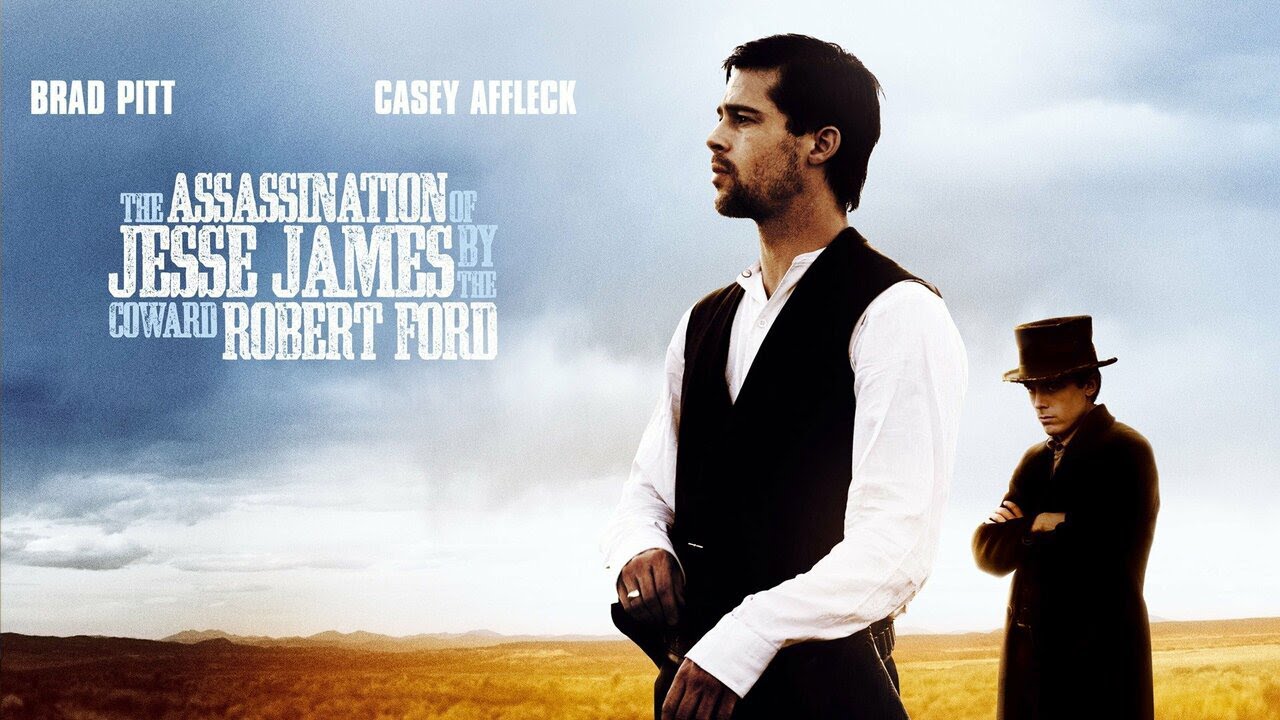
Despite containing a plot summary in its title and a tepid reception when it was released, director Andrew Dominik’s meditative film manages to be both suspenseful and insightful. It narrates the last months of the notorious Jesse James (Brad Pitt), whose gang is riven by suspicion and rivalry. Robert Ford (Casey Affleck) is a young gunslinger who joins James’ gang along with his brother, Charley (Sam Rockwell), but grows resentful of the legendary outlaw. Offering a “kaleidoscope’s prismatic tunnel vision on the Old West,” this is an “immaculately conceived, perfectly cast epic” that “patiently and meditatively observes an outlaw’s obsolescence,” said Nick Rogers at Midwest Film Journal. (Prime Video)
Once upon a time, the Hollywood landscape was littered with Westerns of varying quality, but today they are somewhat scarce, making gems like directors Joel and Ethan Coen’s remake of the 1969 original all the more notable. When her father is murdered by the bandit Tom Chaney (Josh Brolin), 14-year-old Mattie (Hailee Steinfeld) hires U.S. Marshall Rooster Cogburn (Jeff Bridges) to track him down.
The hard-drinking, washed-out Cogburn is joined by LaBoeuf (Matt Damon), who is after Chaney for a different reason. It “adheres to many of the familiar touchstones of the Western genre, while remaining unmistakably Coenesque” and full of “all kinds of wonderful exchanges, unforgettable scenes and moments of weirdness,” said Ryan Lambie at Den of Geek. (Paramount+)
David Faris is a professor of political science at Roosevelt University and the author of "It's Time to Fight Dirty: How Democrats Can Build a Lasting Majority in American Politics." He's a frequent contributor to Newsweek and Slate, and his work has appeared in The Washington Post, The New Republic and The Nation, among others.

![My Darling Clementine (1946) ORIGINAL TRAILER [HD] - YouTube](https://img.youtube.com/vi/2aF5QQoGgCE/maxresdefault.jpg)