Sign up to get Today’s Best Articles in your inbox
Join 350,000+ subscribers and keep yourself informed with a selection of
The Week’s most interesting, enlightening and entertaining stories - plus daily puzzles.
You are now subscribed
Your newsletter sign-up was successful
Want to add more newsletters?
An account already exists for this email address, please log in.
Russia’s lifted suspension could upend the 2028 Olympics
Athletes have been banned from competing under the Russian flag since 2016
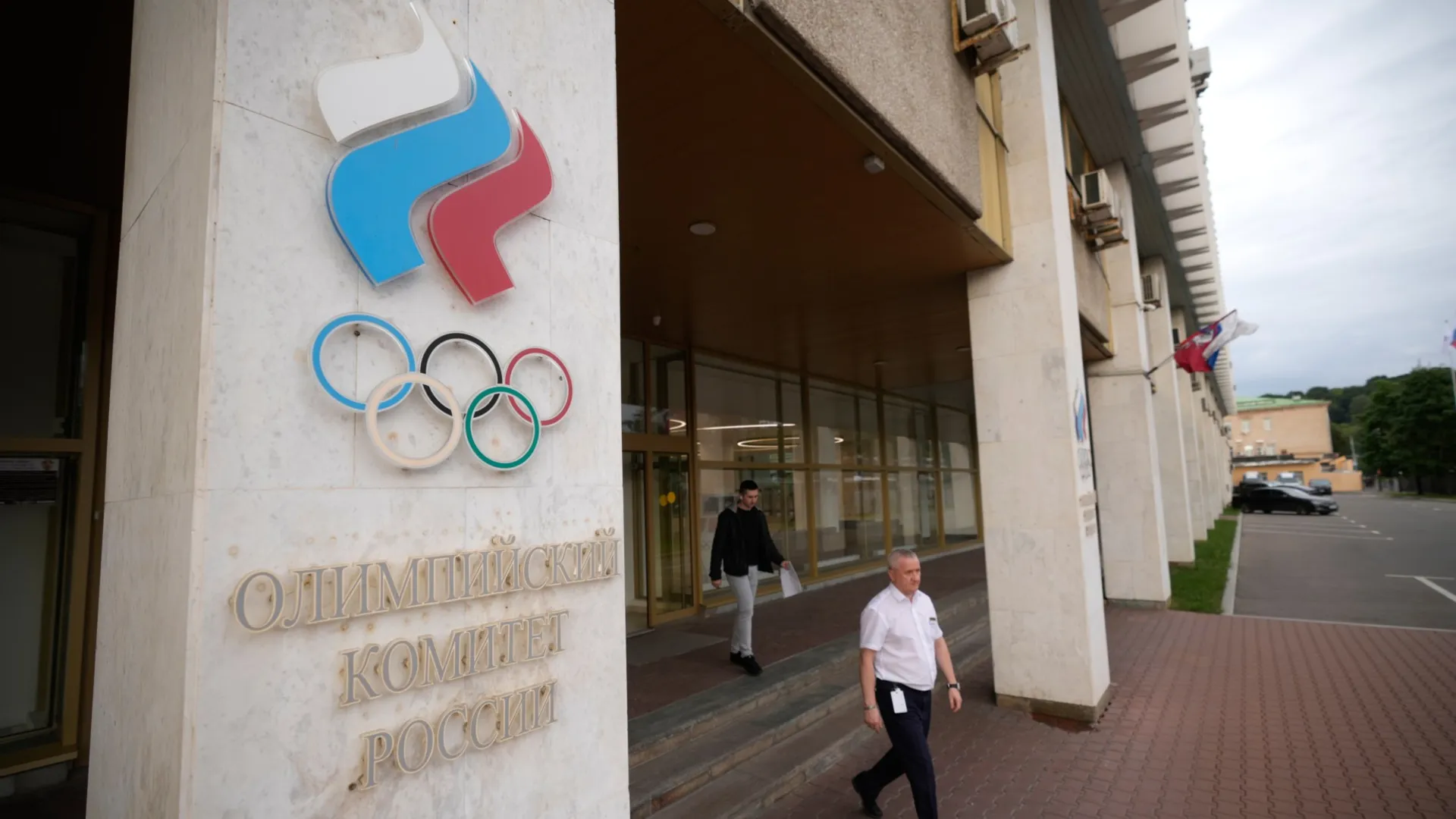
When the 2028 Summer Olympics kick off in Los Angeles, a Russian team could be among the competitors for the first time in more than a decade. The International Olympic Committee (IOC) has lifted its suspension of Russia’s Olympic organization, which had been in place since 2016. Many are angry at the prospect of Russia rejoining the international competition, especially amid its ongoing war with Ukraine.
What was the IOC’s decision?
The IOC “provisionally lifted the suspension of the Russian Olympic Committee that had been in effect” since October 2023, the group said in a statement, because it wanted to “ensure a fair opportunity for participation” by Russian athletes. The suspension is also being lifted because Russia is “no longer trying to claim regional sports organizations on Ukrainian soil” as part of the Russian Olympic Committee, said The Athletic. Russia must also abide by anti-doping measures since the country “systemically organized a doping program to pump up their athletes” during the 2014 Winter Games.
But there is also a “lack of confidence in the global sporting community relating to the return of Russian athletes to international competition,” the IOC acknowledged. As a result, the “decision in relation to the display of the Russian flag, anthem, colors or any identifications for the Olympic Games at the appropriate time” will be made in the future, said the IOC, as will any decisions on potentially hosting international events in Russia. Russian officials will also still not be invited to Olympic events.
The Week
Escape your echo chamber. Get the facts behind the news, plus analysis from multiple perspectives.
Join more than 350,000 subscribers and keep yourself informed with a selection of The Week’s most interesting, enlightening and entertaining stories - plus daily puzzles.
Join more than 350,000 subscribers and keep yourself informed with a selection of The Week’s most interesting, enlightening and entertaining stories - plus daily puzzles.
Olympic officials have stated that they no longer want to punish Russian athletes for their country’s decision to invade Ukraine. “We wanted to ensure all athletes have the possibility to compete at the Olympic Games and not be held responsible for their government’s actions,” IOC President Kirsty Coventry said during a press conference. “But we’ve also been very clear that we do not condone any violence and war around the world.”
What does this mean for the 2028 Olympics?
The IOC’s decision represents a “significant step for bringing Russian athletes, who have struggled with their country’s pariah status on the world stage, back into the international fold after several years,” said The New York Times. The choice to potentially reintroduce Russia to the Olympics will be a “highly controversial decision by the IOC and one likely to be condemned by European countries in particular,” said the BBC.
But “many within the IOC were also mindful of the current geopolitical landscape, and accusations of double standards if the sanction against Russia was maintained, while other countries that have launched military action against other nations escape punishment,” said the BBC. Others say that Russia’s ban should only have ended when the country pulls out of Ukraine, and that allowing it in the 2028 Olympics “risks emboldening President Vladimir Putin and handing him a propaganda win.”
So while the IOC’s decision does mean Russia “could compete at the 2028 Los Angeles Olympics,” said Politico, Russian participation in the games will not come without backlash, including from Ukraine. The IOC’s choice “sends a deeply concerning signal to the international community,” Ukraine’s foreign ministry said on X. “We also call on international sports federations to maintain the existing restrictions on representatives of the aggressor state, in line with their commitment to protecting the integrity and values of international sport.”
Sign up to get Today’s Best Articles in your inbox
A free daily email with the day’s biggest news and analysis – and the best features from TheWeek.com
Justin Klawans has worked as a staff writer at The Week since 2022. He began his career covering local news before joining Newsweek as a breaking news reporter, where he wrote about politics, national and global affairs, business, crime, sports, film, television and other news. Justin has also freelanced for outlets including Collider and United Press International.



 talking pointsA leadership power vacuum may await Republicans
 QUOTE OF THE DAY‘What kind of culture looks at sexual violence and sees an opportunity for profit? This is rape culture. And it should disturb every single one of us.’
 today’s big questionHow long can US consumers continue their spending spree?