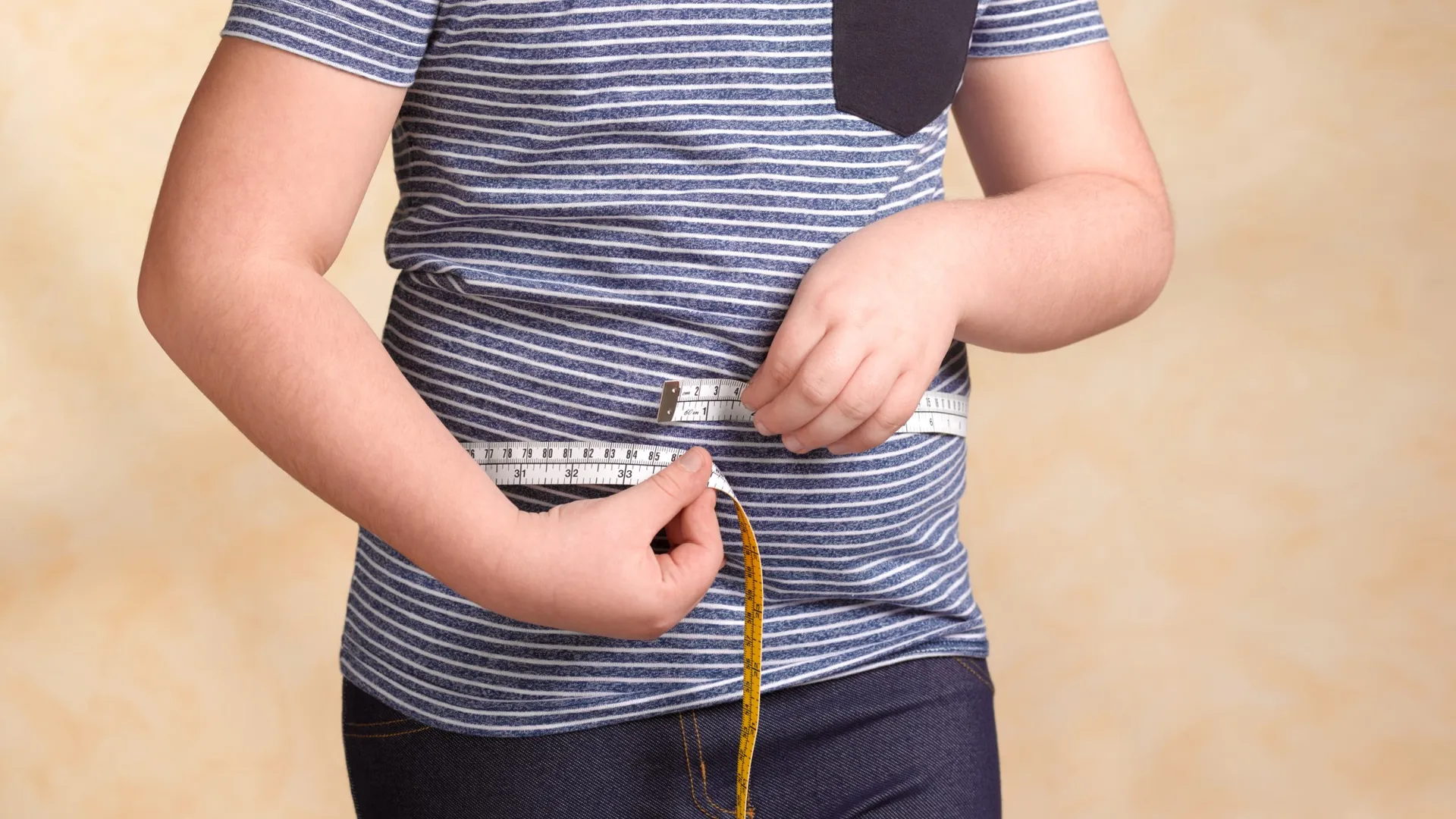
Off-label prescriptions for GLP-1 drugs are on the rise among children under 12, despite a lack of FDA approval in this age group. While most of the kids given the treatment had severe obesity and comorbidities, doctors and parents also seem to be considering weight-loss drugs much earlier. Whether or not it is safe to do so remains unclear.
How common is GLP-1 use among young children?
The American Academy of Pediatrics began recommending GLP-1 therapy for childhood obesity in 2023. Although the number of children under age 12 with obesity being prescribed weight loss drugs like Wegovy and Zepbound remains low compared to the rest of the population, the rise in incidences is striking.
Prescriptions for GLP-1 receptor agonists among children ages 8 to 11 with obesity increased dramatically between 2019 and 2026, according to a study published in the journal Pediatrics. Annual prescriptions rose from 0.03% in 2019 to 9.3% in 2026, a “310-fold increase,” said Forbes.
The Week
Escape your echo chamber. Get the facts behind the news, plus analysis from multiple perspectives.
SUBSCRIBE & SAVE
Sign up for The Week's Free Newsletters
Join more than 350,000 subscribers and keep yourself informed with a selection of The Week’s most interesting, enlightening and entertaining stories - plus daily puzzles.
Join more than 350,000 subscribers and keep yourself informed with a selection of The Week’s most interesting, enlightening and entertaining stories - plus daily puzzles.
Latest Videos FromThe Week US
The study offers the “first national overview in young children” showing “absolute numbers” of children under the age of 12 “receiving GLP-1 treatment,” lead investigator and obesity medicine specialist Babak Orandi said in a statement to NYU Langone. The “careful use of GLP-1s” remains a “valuable tool in confronting the obesity epidemic among young Americans.”
Young children with obesity who lived in upper-income communities were 55% more likely to be prescribed GLP-1 medications than those who did not. Physicians and policymakers have a responsibility to ensure that “all young children with obesity who need these drugs have access to them,” study co-author Allan Massie said.
Is it dangerous for kids to take GLP-1s?
It is important to note that “GLP-1 medications aren’t entirely untested in younger children,” with some encouraging evidence available for some drugs, said Forbes. There is “strong data” that daily liraglutide is “safe and effective for children aged 6 to 11 with obesity,” Sarah Armstrong, co-director of the Duke University Center for Childhood Obesity Research, said to Forbes.
Still, the growing trend of children using GLP-1 medications isn’t “completely without its risks,” said Gizmodo. Nearly one in six children and teens who go on a GLP-1 become diagnosed with a nutritional deficiency, according to a recent study published last week in the journal Childhood Obesity. This is only an observational study, meaning that the “researchers can’t conclusively prove that the children’s GLP-1 use contributed to their later deficiencies,” Gizmodo said.
The results suggest doctors should be keeping a closer eye on the nutritional health of kids prescribed these treatments, the researchers said. Nutritional deficiencies are a “meaningful and underrecognized risk among pediatric patients" receiving GLP-1 therapy, the authors said in their paper.
Hopefully the findings bring “much-needed recognition” to the importance of “proactive nutritional management when GLP-1s are prescribed to children,” as opposed to “waiting until a nutritional deficiency is diagnosed,” said Justin Ryder, a study co-author and a surgeon at Ann & Robert H. Lurie Children’s Hospital of Chicago, in a statement from the hospital. Knowing the risks, “we are in a much better position” to prevent harm to “children treated with GLP-1s during a pivotal period.”